

FOSUN HEALTH Logo

CyberKnife

A robotic radiosurgery system that tracks moving tumors in real-time using highly focused radiation. This non-invasive, no-anesthesia treatment typically requires 1–5 outpatient sessions of 15–30 minutes, with no hospital stay.

Discuss Your Case See How It Works

A "Knife" That Never Cuts

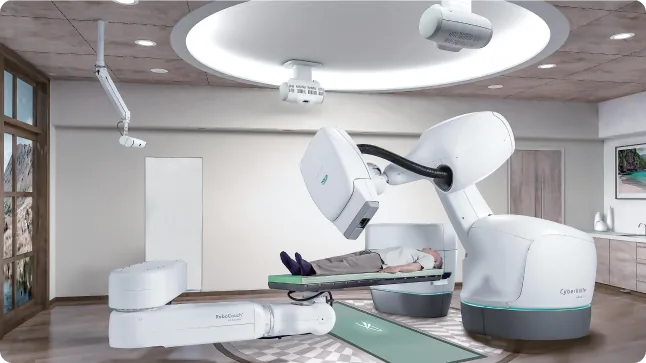
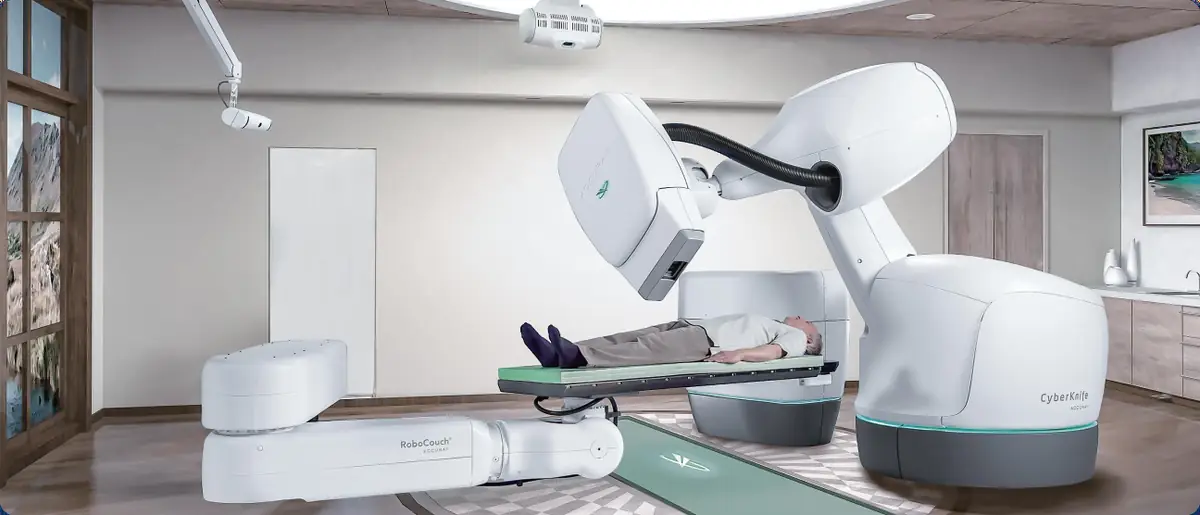
CyberKnife M6 robotic arm and treatment table in the Foshan suite
The CyberKnife M6 suite at Foshan Fosun Chancheng Hospital, showing the robotic arm and treatment table. Archival photograph; use subject to hospital media authorization. No identifiable patients are shown.

Despite its name, the CyberKnife makes no incision. It is a robotic radiosurgery system in which a compact linear accelerator mounted on a 6-degree-of-freedom robotic arm delivers hundreds of precisely targeted radiation beams to a tumor from almost any direction, with submillimeter accuracy.

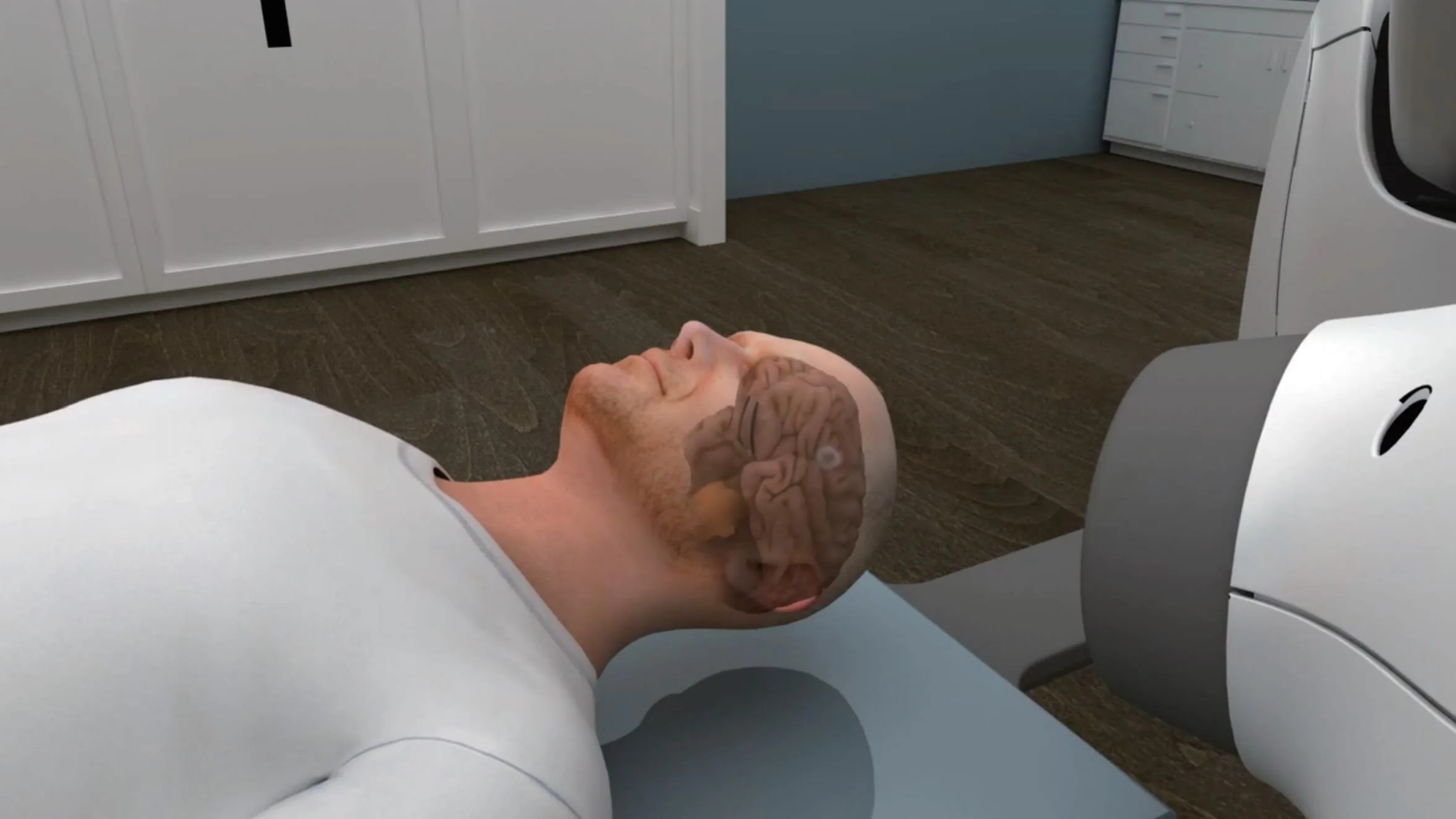
Its defining capability is real-time motion tracking. Two ceiling-mounted X-ray cameras image the tumor continuously during treatment; as it moves with every breath, the system detects the movement and adjusts the beam in real time, helping deliver high doses to the tumor while limiting radiation exposure to surrounding healthy tissue. Patients breathe normally — no head frame fixed to the skull, no restraints, no breath-holding.

Because targeting does not depend on a rigid frame or a custom body mold, treatment can be fractionated (split into 1–5 sessions) instead of delivered as a single large dose. This allows the team to treat tumors near delicate structures—the brainstem, optic nerves, and bile ducts—while delivering a high dose to the tumor and limiting the dose to healthy tissue.

Who it helps: Patients with brain, lung, liver, prostate, pancreatic, and other solid tumors—including those who have been told that no further treatment options are available, those who cannot tolerate surgery or anesthesia, and those seeking a shorter course of treatment than conventional radiotherapy, which may involve 20–40 sessions. Suitability is always confirmed by a radiation oncologist.

Why Patients Choose CyberKnife

Discover seven capabilities of robotic radiosurgery that may offer a less invasive treatment option and a shorter treatment course for many solid tumors.

  • Real-Time Motion Tracking

    The system tracks tumor movement during breathing and continuously adjusts the radiation beam, helping achieve submillimeter targeting without rigid head frames or body fixation.

  • Very High, Very Focused Doses

    Hundreds of precisely aimed beams converge on the tumor to deliver an ablative dose of radiation while limiting exposure to surrounding healthy tissue.

  • 1–5 Outpatient Sessions

    Many patients complete treatment in a single visit or just a few sessions—a shorter course than conventional radiotherapy, which may involve 20–40 sessions.

  • No Incision, No General Anesthesia, No Hospital Stay

    Radiation treatment is delivered externally, without an incision. Most patients can attend a 15–30-minute session and leave afterward, often returning to their usual activities the same day.

  • Guideline-Backed Alternative to Surgery

    NCCN and AASLD guidelines list stereotactic body radiotherapy as an alternative to surgery, RFA or TACE for selected patients — and SBRT is often better tolerated than surgery for early-stage lung cancer.

  • 19 Core Technologies · 21 Indications

    CyberKnife integrates 19 technologies around its 6D robotic arm, covering 21 indications — applicable to most solid tumors throughout the body.

  • Foshan's First · One of 4 in South China
    Foshan's first CyberKnife was installed at Foshan Fosun Chancheng Hospital in June 2022. The hospital is JCI-accredited and designated as a National Grade III-A hospital, with 52 years of history.

Five Cancer Types, One Gentle Technology

CyberKnife is applicable to most solid tumors throughout the body. Choose a cancer type to see how it works for that disease — and the outcomes our patients have achieved.

CyberKnife radiosurgery for brain and skull-base tumors

Precisely Targeting Brain Tumors

The brain's structure is delicate and complex. CyberKnife delivers an optimal dose with sub-millimeter precision — which is why it has become the treatment of choice for many brain and skull-base tumors, with no incision and no head-frame fixation.

  • High cancer control rates for brain and skull-base tumors
  • Low incidence of the cognitive side effects common after whole-brain radiotherapy
  • Can be used after prior brain radiotherapy (re-irradiation)
  • No surgery, non-invasive, no head frame required
  • No need to interrupt chemotherapy or immunotherapy
  • Comfortable outpatient sessions that don't disrupt daily life

Trigeminal neuralgia: CyberKnife can precisely irradiate the nerve root, interrupting pain signals. A 10-year follow-up study from our program showed lasting relief from the severe pain of trigeminal neuralgia — research that won the Best Clinical Paper award at the 2022 Radiosurgery Society (RSS) meeting.

Also treated with CyberKnife at our center:

spinal and other metastases (precision that protects the spinal cord), oligometastatic disease, and recurrent or residual tumors after prior radiation. This list is not exhaustive and is not a promise that every case qualifies — suitability always depends on tumor type, size and location, confirmed by a radiation oncologist.

Related capabilities across our technology hub:

Data That Supports Fewer Sessions, Better Control

Published studies and real-world outcomes from the Foshan CyberKnife program.

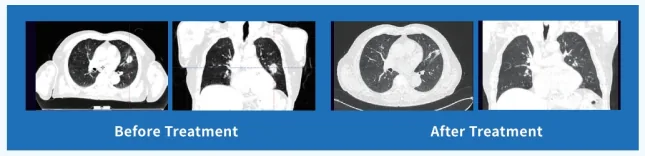
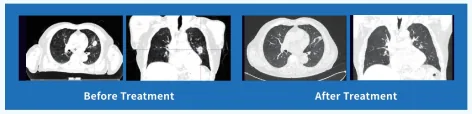
Before and after CyberKnife SBRT scans for left upper lung squamous cell carcinoma
Squamous cell carcinoma of the left upper lung — near-complete radiological resolution after CyberKnife SBRT (11 Gy × 5 fractions). Legacy site image; no identifiable patient information shown.
  • SBRT vs RFA for early hepatocellular carcinoma (University of Michigan, JCO 2016): 1-year local control 97.4% vs 83.6%; 2-year local control 83.8% vs 80.2%.
  • Liver metastases SBRT: 2-year local tumor control over 85%; 2-year overall survival 55.9%
  • Early-stage lung cancer SBRT: better tolerated and associated with longer overall survival than surgery in selected patients.
  • Trigeminal neuralgia: 10-year follow-up study showed lasting pain relief after robotic image-guided radiosurgery — RSS 2022 Best Clinical Paper.
  • Foshan CyberKnife Center: first Asian institutional member of the Radiosurgery Society (RSS, 2021) and RSS 2022 Best Paper Award recipient.

Outcomes are reported in peer-reviewed literature and hospital data; individual results vary. This page describes hospital services, not medical advice.

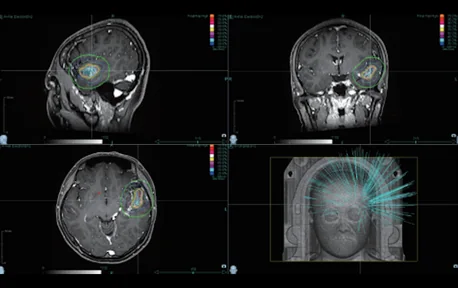
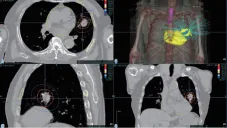
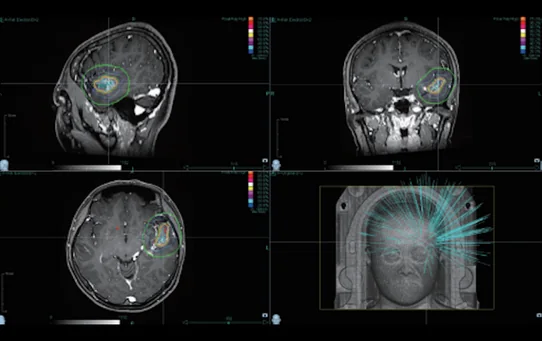
  • CyberKnife dose plan for the cerebral AVM: sagittal, coronal and axial views with the beam's-eye view
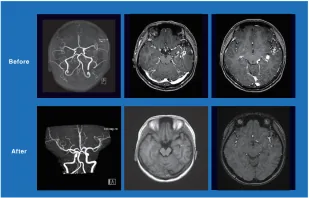
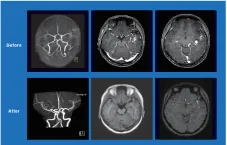
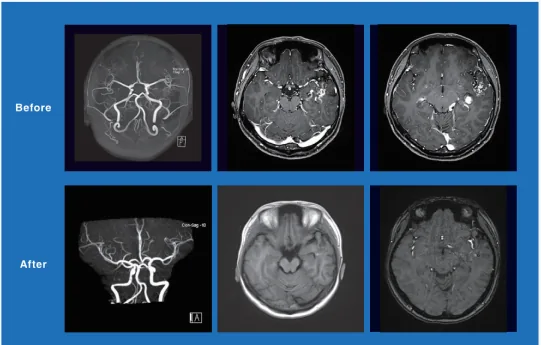
  • Brain scan series after CyberKnife treatment
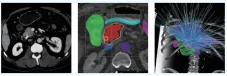
  • Chest and abdomen imaging
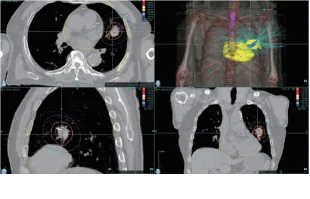
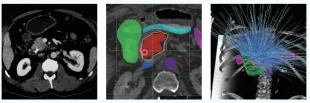
  • Treatment planning images

Real Patients, Real Plans — Published With Consent

Eleven case summaries from our published experience, grouped by disease. Each includes the treatment plan (dose, fractions and beam count) and, where available, the follow-up outcome. All cases are de-identified — only sex and age range are shown.

Brain & Skull Base

  • Cerebral Arteriovenous Malformation (AVM) — Near-Complete Obliteration At 6 Months
    • Female · adult
    • 8 Gy × 3 fractions
    • 75% isodose
    • 203 beams
    CyberKnife dose plan for the cerebral AVM: sagittal, coronal and axial views with the beam's-eye view Before and after MRI of the AVM after CyberKnife treatment

    An intracranial AVM with recurrent hemorrhage remained patent after three endovascular embolizations. After CyberKnife treatment, dizziness resolved completely with no adverse effects. Six-month MRI/MRA showed significant nidus reduction with near-complete vascular obliteration and no new hemorrhage.

  • Meningioma — Medically Inoperable, Central Necrosis At 6 Months
    • Male · adult
    • 5 Gy × 5 fractions
    • 72% isodose
    • 262 beams

    A meningioma deemed medically inoperable due to comorbidities was treated with 5-fraction radiosurgery. Symptoms improved significantly; 6-month MRI showed central tumor necrosis with liquefactive change and no contrast enhancement. Treatment was well tolerated with no disruption to daily life.

  • Parkinson's Disease — Gait Improvement From Day 2, Sustained At 9 Months
    • Male · 70s
    • 26 Gy × 3 fractions
    • 85% isodose
    • 94 beams

    A patient with a 10-year history of medically refractory Parkinson's disease (turning difficulty, freezing of gait, masked facies, dysarthria, sialorrhea, handwriting tremor) was treated with robotic radiosurgery. Gait stability and turning ability improved by day 2; at 9 months, parkinsonian symptoms were globally reduced with sustained ambulatory improvement.

Lung Cancer & Pulmonary Metastases

  • Locally Advanced Squamous Cell Carcinoma Of The Left Upper Lung — Near-Complete Response
    • Male · 70s
    • 11 Gy × 5 fractions
    • 63% isodose
    • 118 beams

    A patient with locally advanced peripheral lung cancer received CyberKnife SBRT to the left lung lesion, IMRT to mediastinal nodal metastases, and consolidation immunotherapy starting 4 weeks after radiotherapy — achieving near-complete radiological resolution. (This is the case shown in the before/after imaging above.)

  • Esophageal Cancer Pulmonary Metastases — Complete Resolution At 1 Month
    • Male · 60s
    • 11 Gy × 5 fractions
    • 63% isodose
    • 205 beams

    A patient with esophageal cancer pulmonary metastases who was medically inoperable due to comorbidities was treated with SBRT. Complete radiological resolution of the target lesion was confirmed at the 1-month follow-up.

Prostate Cancer

  • Intermediate-Risk Prostate Adenocarcinoma — PSA From 9.55 To ~0.1 Ng/Ml
    • Male · 60s
    • 7.25 Gy × 5 fractions
    • 79% isodose
    • 86 beams

    Diagnosed by MRI and biopsy as intermediate-risk prostate adenocarcinoma (Gleason 3+4=7; PSMA PET confirmed disease confined to the prostate). The patient had poor cardiac function with arrhythmia and declined ADT and surgery. Focal SBRT covered the prostate and proximal 1 cm of the seminal vesicles. PSA dropped to approximately 0.1 ng/ml; treatment was well tolerated with no recurrence or toxicity reported to date.

  • Oligometastatic Prostate Cancer With L4 Spine Metastasis
    • Male · adult
    • 7.25 Gy × 5 fractions (prostate)
    • 273 beams

    A patient with low-burden oligometastatic hormone-sensitive prostate cancer (isolated L4 vertebral metastasis) received long-term androgen deprivation therapy combined with dose-painted SBRT to the prostate using gold-fiducial tracking, plus local radiation to the L4 lesion.

Liver & Digestive Tumors

  • Stage IA Hepatocellular Carcinoma — Refused Surgery, Treated With SBRT
    • Male · 60s
    • 12 Gy × 5 fractions
    • 63% isodose
    • 148 beams

    A patient with chronic hepatitis B had a biopsy-confirmed well-differentiated hepatocellular carcinoma (2.03 × 1.63 cm, AFP-negative, stage IA) and declined surgery. The lesion was treated with 5-fraction SBRT.

  • Small HCC (16 Mm) — Fiducial-Tracked SBRT
    • Female · 60s
    • 12 Gy × 5 fractions
    • 65% isodose
    • 87 beams

    A patient with a clinically diagnosed 16 mm stage IA hepatocellular carcinoma (S7 segment; biopsy technically challenging) declined both surveillance and surgery, insisting on CyberKnife. Gold fiducials were implanted for tracking and the lesion was treated with 5-fraction SBRT.

  • Locally Recurrent Rectal Cancer — Complete Response At 12 Months
    • Female · 50s
    • 11 Gy × 5 fractions
    • 68% isodose
    • 300 beams

    Seven years after radical resection of a mid-rectal adenocarcinoma, imaging and pathology confirmed recurrent presacral adenocarcinoma (rT3N0M0). The MDT deemed surgery high-risk due to possible presacral venous plexus bleeding and uncertain negative margins, and recommended CyberKnife radiosurgery (11 Gy × 5) with CapeOX adjuvant chemotherapy. Complete response was confirmed at 12-month follow-up.

Pancreatic Cancer

  • Locally Advanced Pancreatic Cancer — Tumor Shrinkage And Durable Pain Relief
    • Adult
    • 8 Gy × 3 fractions
    • 81% isodose

    A patient with a 2.5 cm pancreatic mass invading the superior mesenteric artery and vein (inoperable; biliary stent in place) was treated with chemotherapy plus CyberKnife. Follow-up PET was negative with a blurred lesion; CT at 11 months showed tumor shrinkage; at 13 months — 22 months after symptom onset — the patient was pain-free.

Case summaries are published by the hospital with patient consent and are de-identified (sex and age range only). Treatment outcomes are individual and do not guarantee results for other patients.

Built By The People Who Wrote The Radiosurgery Standards

The Foshan CyberKnife Center is led by Dr. Jun Yang — a developer of international CyberKnife quality-control standards — with a core team of professors and physicians from Huashan Hospital, Yale, and leading oncology institutions in China and abroad.

Portrait of Dr. Jun Yang

Director, Foshan CyberKnife Center · International Pioneer Of CyberKnife Quality Control

  • Ph.D. in biomedical engineering and medical physics, University of Miami
  • Developer of international CyberKnife quality-control standards (TG135 / TG277)
  • Former Chief Medical Physicist, Alliance Oncology — North America's largest SBRT network (34 centers, 16 CyberKnife systems)
  • 6,000+ cumulative CyberKnife treatment cases
  • Led the team that won the RSS 2022 Best Paper Award — the first such award won by a team from China

Full Profile →
Portrait of Prof. Enmin Wang

Chief Physician, Foshan CyberKnife Center · China's Leading Authority On CyberKnife Therapy

  • Former director of the CyberKnife Center, Huashan Hospital, Fudan University
  • China's first Ph.D. in Gamma Knife therapy
  • Editor-in-chief of the authoritative Chinese textbook Radiosurgery with CyberKnife (2024)
  • 10,000+ personal radiosurgery cases since 2020
  • Expertise: acoustic neuroma, meningioma, pituitary adenoma, brain metastases, AVM, early-stage lung cancer, liver and pancreatic cancer, spinal metastases
Full Profile →
Meet Dr. Jun Yang — 6,000+ CyberKnife cases →

From Global Research To Local Outcomes

A program built on two decades of peer-reviewed evidence, international recognition, and South China's most experienced radiosurgery team.

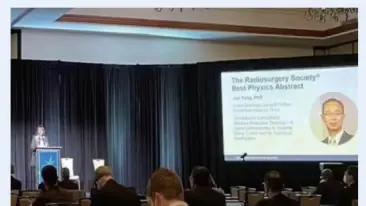
  • Radiosurgery Society award presentation for Dr. Jun Yang's team

    The first paper from China to receive the Radiosurgery Society's highest annual honor — "SCART Radiotherapy for Ultra-large, Recurrent, Refractory Solid Tumors," submitted by Director Dr. Jun Yang's team with the highest score.

  • Foshan CyberKnife Center recognized as an RSS institutional member

    After a rigorous 2021 process, our center became the first Asian institutional member of the International Radiosurgery Society (RSS) — keeping the team at the forefront of global clinical practice and research.

  • Chancheng District cancer prevention guidance center at the hospital

    Designated by the Chancheng District Health Bureau, with the district's Cancer Prevention and Control Center established at our hospital.

~1,000 treatments completed at our Foshan center since June 2022 — one of only 4 CyberKnife centers in South China, delivered within the JCI-accredited, National Grade III Class A Foshan Fosun Chancheng Hospital with 52 years of heritage.

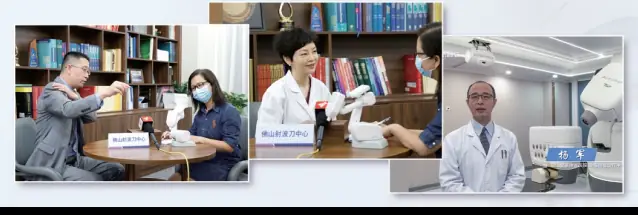
Media coverage of the 2022 launch:

  • Media coverage collage from the 2022 CyberKnife center launch
  • Press interviews at the Foshan CyberKnife launch
  • Launch ceremony and expert remarks
  • Additional press photos from the CyberKnife launch

Who It Helps

Patients with brain, lung, prostate, liver, pancreatic and other solid tumors — including those told "nothing more can be done," and those who cannot tolerate surgery or anesthesia.

  • Brain & skull-base tumors
  • Early-stage lung cancer (SBRT alternative)
  • Liver & pancreatic tumors
  • Prostate cancer
  • Oligometastatic disease
  • Recurrent tumors after prior radiation

For Our International Patients — Technology You Can Actually Reach

Advanced equipment matters only if you can get to it. Our International Medical Center at Foshan Fosun Chancheng Hospital (a Guangdong Province International Medical Service pilot hospital, the only private hospital in Foshan selected) handles every step:

  • Records pre-review and free remote consultation before you travel
  • Medical visa invitation letter and travel coordination
  • Multilingual coordinator & interpreter throughout treatment
  • Direct billing with 70+ insurers — sign, don't pay cash
  • Remote follow-up and tele-consultations after you return home
  • Expert appointments within 48 hours · elective surgery within a week

Frequently Asked Questions

  • CyberKnife stereotactic radiosurgery typically completes treatment in 1–5 sessions, each lasting about 15–30 minutes, with no incision, no anesthesia and usually no hospital stay. Our Foshan center is one of only four in South China and has completed ~1,000 treatments since June 2022.

  • Brain and skull-base tumors, lung cancer, prostate cancer, liver cancer, pancreatic cancer and most other solid tumors throughout the body — including some patients for whom conventional treatment options are limited and patients who cannot tolerate surgery. Whether your tumor is suitable depends on its type, size and location; a radiation oncologist confirms this during consultation.

  • No. There is no incision and no anesthesia. Most patients walk in, receive a 15–30 minute session , and walk out — completing their entire course in 1–5 outpatient visits without admission.

  • CyberKnife is robotic radiosurgery: a 6D robotic arm aims hundreds of precisely focused beams at the tumor while the system tracks motion in real time . There is no rigid head frame, no restraint and no breath-holding. Where conventional radiotherapy may require 20–40 sessions, CyberKnife ablative treatment is usually completed in 1–5 sessions with sub-millimeter precision.

  • Yes. It is often combined with systemic therapy — for example, SBRT followed by consolidation immunotherapy for lung cancer, chemotherapy for pancreatic cancer, or androgen deprivation therapy for prostate cancer. Patients usually do not need to interrupt ongoing chemotherapy or immunotherapy.

  • Yes. Re-irradiation may be considered for carefully selected recurrent or residual tumours after prior radiotherapy. This is a complex clinical scenario requiring thorough multidisciplinary assessment, and our team has extensive experience in this field.

  • Our Foshan center has completed ~1,000 treatments and is one of only 4 CyberKnife centers in South China , led by physicians with 6,000+ and 12,000+ cumulative cases. The center was the first Asian institutional member of the Radiosurgery Society (2021) and won the RSS 2022 Best Paper Award — the first paper from China to receive this honor.

  • Send your records for a free remote consultation, and an expert appointment can be arranged within 48 hours ; treatment often starts within days. Our International Medical Center provides medical visa invitation letters, travel coordination, multilingual interpreters, direct billing with 70+ insurers and remote follow-up after you return home.

Not Sure If CyberKnife Fits Your Case? Send The Scans.

You will get an honest answer from a real doctor and a real coordinator — free and confidential. If radiosurgery is not the right tool for your tumor, we will tell you exactly that, and what we would recommend instead.

Follow Fosun Health

Apply for an Appointment

Do you have test results*