
2026-07-27
At 20, most young people are running freely and enjoying their youth. But for Tina (pseudonym), a girl from Bangladesh, the past two decades have been spent living with a rare disease called tuberous sclerosis complex (TSC). In the last three weeks, persistent lumbar and abdominal pain disrupted her peaceful life. Examinations revealed a tumor over 7 cm in diameter in her left kidney, located in a perilous position—clinging to the main renal artery and surrounded by abundant collateral vessels.
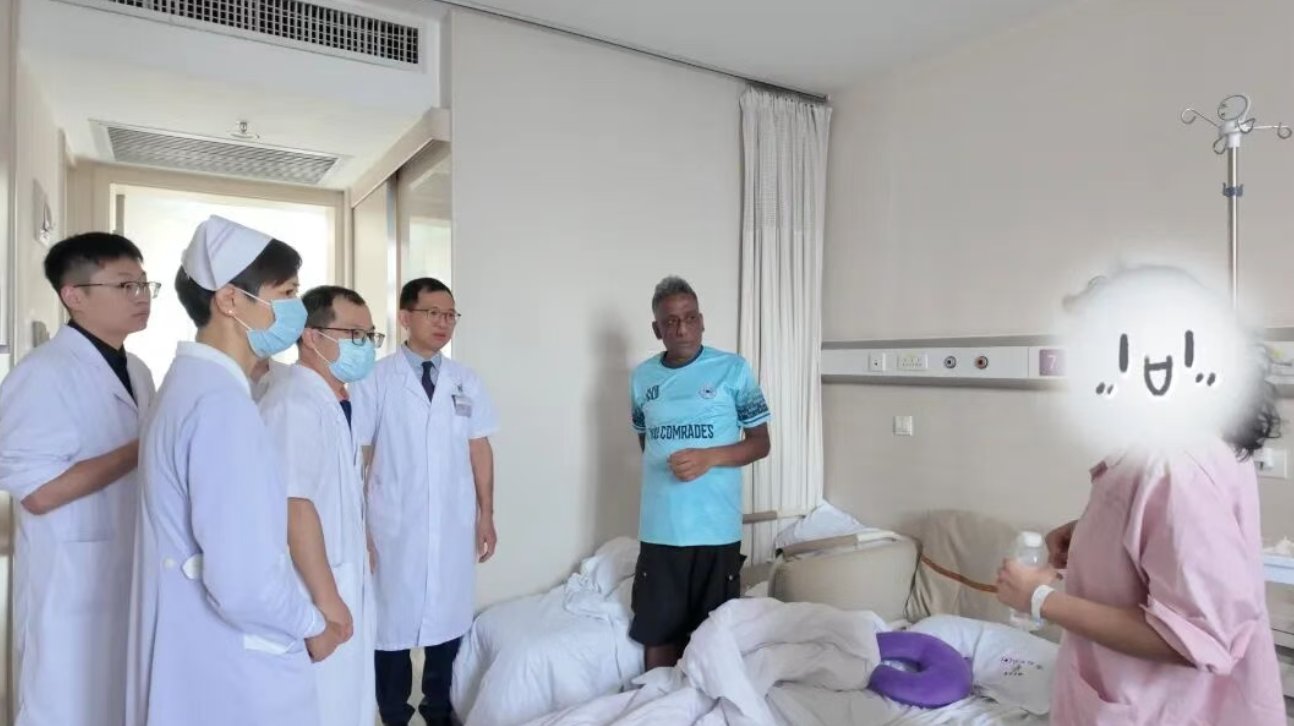
Tina and her family sought medical help in several countries, but the answers they received were almost identical: the surgery was extremely difficult and the risks were hard to control. Just as the family was falling into anxiety, they turned their eyes to China. Through a recommendation from a local medical service agency, they learned about the International Medical Center (FIMC) of Foshan Fosun Chancheng Hospital.
Section 1: Understanding the Rare Disease TSC – A Genetic Condition That Can Affect the Kidneys
Tuberous sclerosis complex (TSC) is a genetic rare disease that can affect multiple organ systems, with the kidneys being one of the commonly involved organs. Among its manifestations, TSC‑associated renal angiomyolipoma (TSC‑AML) is a major kidney‑related finding in TSC patients. Although renal angiomyolipomas are mostly benign lesions, it does not mean they can be completely ignored. TSC‑associated AML tends to occur at an earlier age, may be multiple or bilateral, and has abundant blood vessels within the tumor. As the tumor enlarges, the risk of spontaneous bleeding also increases.
Section 2: Treatment Decision – Why Not Simple "Interventional Embolization"?
For TSC‑AML patients, interventional embolization is an optional treatment. However, Tina's lesion had abundant collateral vessels, and simple embolization might not completely block the blood supply, nor guarantee complete tumor absorption; close follow‑up or even secondary intervention would still be required. Moreover, complete resection of the lesion to obtain a pathological diagnosis is essential for definitive diagnosis. Therefore, the Urology Department team at Foshan Fosun Chancheng Hospital (hereinafter referred to as "Foshan Chancheng Hospital") set a clear treatment goal: to remove the tumor while preserving the affected kidney to the greatest extent possible. However, this surgery was extremely challenging. Partial nephrectomy (kidney‑sparing surgery) requires temporary clamping of the renal artery, precise tumor excision, and suturing of the wound within a limited time. During the clamping period, the kidney is in a state of "warm ischemia"—the shorter this time, the better the protection of renal function. With Tina's tumor tightly adhering to the main renal artery and surrounded by rich collateral vessels, even a minor mistake in dissection or suturing could lead to massive bleeding or even force conversion to total nephrectomy.
Section 3: The Da Vinci Robot – Precision on a Millimeter Scale
Facing this highly difficult challenge, the urology team at Foshan Chancheng Hospital conducted a detailed preoperative evaluation and ultimately decided to perform a Da Vinci robot‑assisted partial nephrectomy. The Da Vinci robot is not operated autonomously by the machine; instead, the surgeon controls the robotic arms from a console to perform more refined surgical maneuvers. Its advantages include:
•Sharper vision: 3D high‑definition magnified visualization helps the surgeon clearly identify tumor boundaries, renal vessels, and surrounding critical structures.
•Greater dexterity: The robotic arms have multiple degrees of freedom, mimicking and even surpassing the human wrist's movements in tight spaces, making it suitable for delicate dissection and suturing at complex angles.
•Enhanced stability: The robotic arms filter out natural hand tremors, ensuring each movement is more precise and steady.
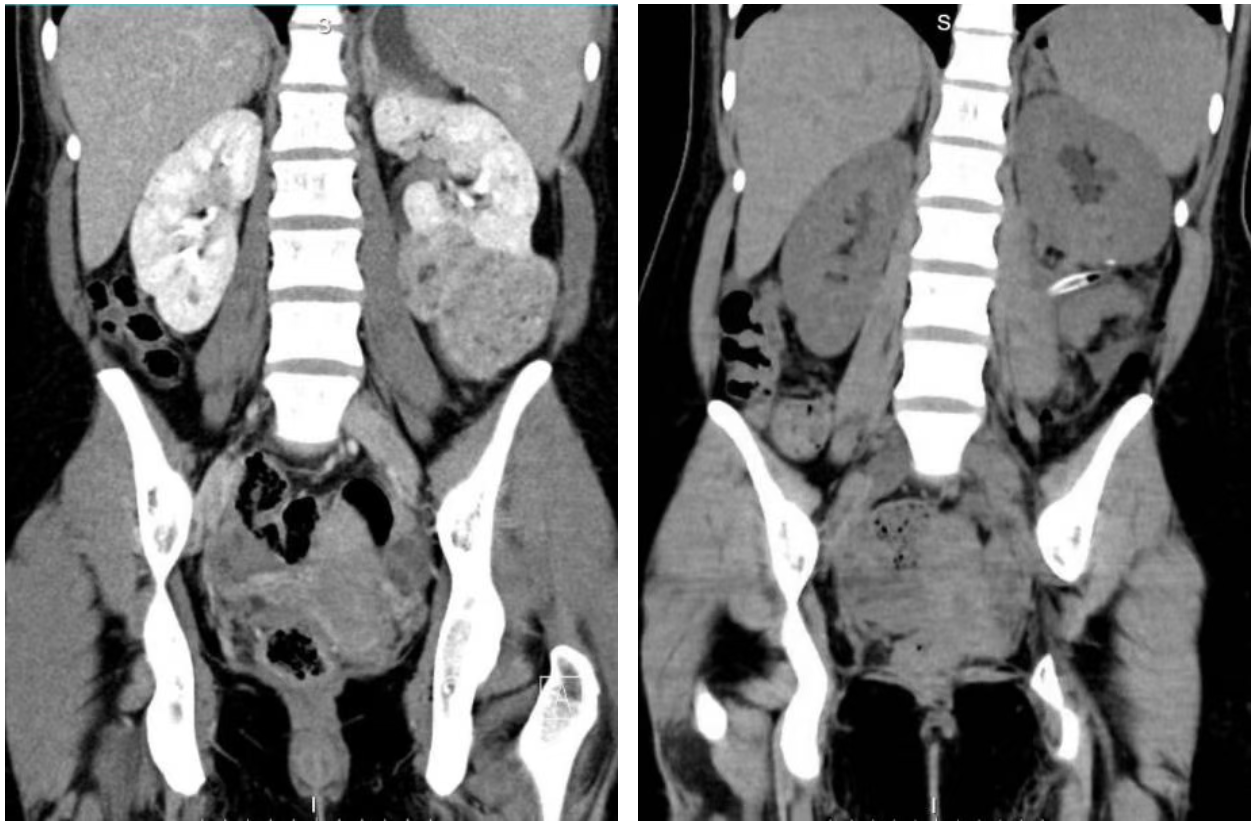
Preoperative (left) and postoperative (right) comparison images.
With the assistance of the Da Vinci robot, the team successfully and precisely resected two tumors from Tina, completely preserving her left kidney.
Section 4: "Thank You for Giving Me a Second Life"
On the day of discharge, Tina and her family specially expressed their gratitude to the medical team: "From Dhaka to Foshan, spanning 2,800 kilometers, we thank every doctor and nurse here for giving me a second life." Her father said with emotion: "The surgery was very successful, and our worries have finally been put to rest. The doctors and nurses treated us like family, with dedicated staff checking on her recovery every day." Tina's mother, who felt unwell during the stay, was promptly arranged for an examination through the coordination of FIMC, with quick responses and orderly arrangements. The hospital also arranged diversified meals according to the patient's cultural customs, making the family feel at home far from their own country.
From pre‑consultation online inquiries and visa assistance, to multilingual accompaniment and accommodation support upon arrival, and to customized treatment plans during hospitalization and rehabilitation guidance after discharge, FIMC provides comprehensive and caring services to support international patients throughout their medical journey.
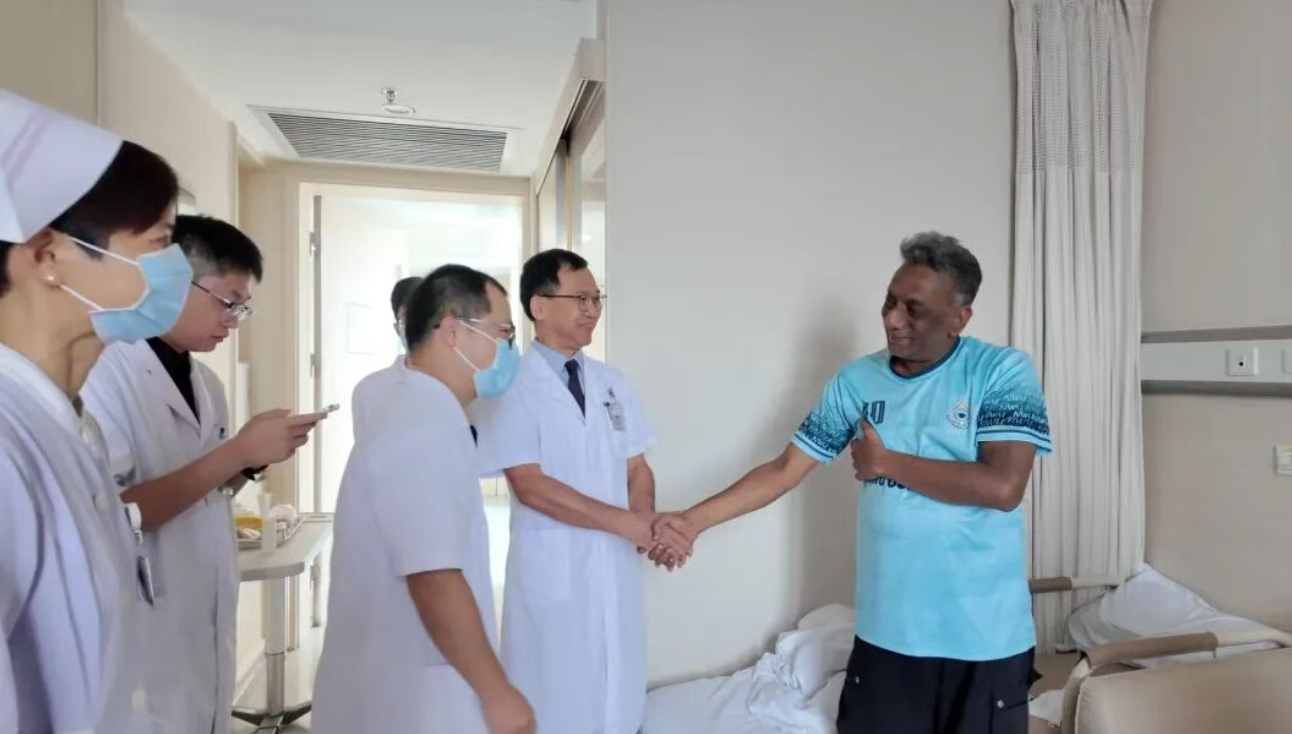
Tina's story is a microcosm of how Foshan Chancheng Hospital's International Medical Center serves patients from around the world. For young TSC patients, preserving one kidney means preserving their quality of life for a lifetime. With international‑level technical expertise and warm humanistic care, Foshan Chancheng Hospital is safeguarding every patient's life and future.