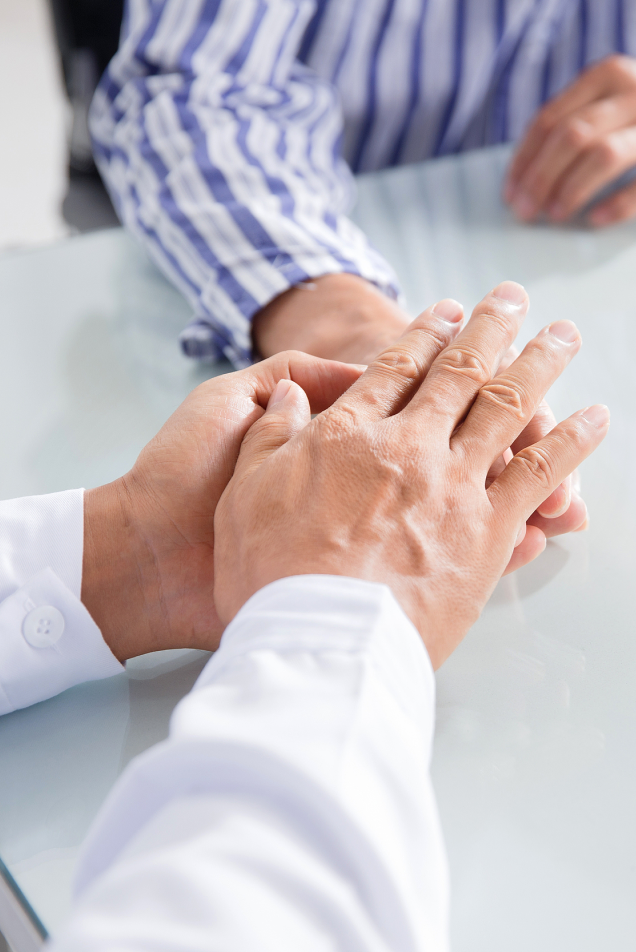



Neurology
The brain department is a key discipline under construction in the hospital. It has a total of 3 inpatient wards with 140 open beds. Specialties include neurology, neurosurgery, neurointervention, neurorehabilitation, and neuropsychology…

Departments


Neurology
The brain department is a key discipline under construction in the hospital. It has a total of 3 inpatient wards with 140 open beds. Specialties include neurology, neurosurgery, neurointervention, neurorehabilitation, and neuropsychology. Led by well - known experts such as Chen Wenming. Huang Haiying. Li Zhigang. Huang Xuxian, Xu Yan, and Dai Shengliang, a united, collaborative, practical, innovative and professional service team formulated for the bran department. In accordance with the standard requirements for the construction of a stroke center, the brain department center has implemented acute thrombolysis and bridging treatment for acute ischemic stroke, medical and surgical as well as rehabilitation treatment for cerebrovascular diseases, and comprehensive diagnosis and treatment for various inflammatory diseases, degenerative diseases, genetic diseases of the nervous system, and various types of vertigo.
Standardized treatment in the stroke center
In accordance with the national standards for stroke center construction, acute-phase interventions such as intravenous thrombolysis and endovascular thrombectomy (bridging therapy) for acute ischemic stroke are performed to shorten the treatment time window and optimize the whole-process management of stroke patients.
Comprehensive diagnosis and treatment of cerebrovascular diseases
Prevention, drug treatment, interventional surgery (such as aneurysm embolization and angioplasty) and postoperative rehabilitation of cerebrovascular diseases are all included. Individualized treatment plans are formulated in conjunction with the departments of neurology, neurosurgery, and rehabilitation.
Multidisciplinary diagnosis and treatment (MDT) of difficult and complicated neurological diseases
For neurological inflammatory diseases (such as autoimmune encephalitis). degenerative diseases (Parkinson's disease, Alzheimer's disease), genetic diseases, and vertigo, etc, accurate diagnosis and intervention are provided through multi-dimensional evaluations such as imaging, genetic testing, and electrophysiology.
Neurological function rehabilitation system
Combining exercise therapy, cognitive training. and psychological intervention, staged rehabilitation treatment is carried out for post-stroke functional impairment, spinal cord injury, etc. to promote the reconstruction of neurological functions.
Hepatobiliary Surgery
The department of hepatobiliary surgery s one of the core specialties in the minimally invasive surgical center of the hospital. Led by Professors Gu Well, Ou Xiaowei, and Zhang Yin, and associated with many other minimally invasive surgical experts. The department is characterized by the precise diagnosis and treatment of hepatobiliary and pancreatic diseases, focusing on the minimally invasive and individualized treatment of complex diseases such as hepatolithiasis, hepatobiliary and pancreatic tumors (such as liver cancer, cholangiocarcinoma, and pancreatic cancer, and portal hypertension due to liver cirrhosis. It routinely performs high - difficulty surgeries such as laparoscopic hepatectomy, choledochoscopy combined with holmium laser lithotripsy, and minimally invasive resection of pancreatic tumors. At the same time, it combines comprehensive approaches such as Interventional therapy and targeted therapy to formulate a diagnosis and treatment model of "minimally invasive first, multi - disciplinary collaboration.
Laparoscopic precise hepatectomy technology
Relying on navigation technologies such as three-dimensional reconstruction and intraoperative ultrasound, anatomical hepatectomy of liver segments/ hemiliver is carried out to reduce intraoperative bleeding and surgical trauma. It is applied for space-occupying lesions such as liver cancer and hepatic hemangioma.
Choledochoscope combined with holmium laser lithotripsy
Holmium laser lithotripsy is performed under direct vision of the choledochoscope, combined with intraoperative cholangiography for precise positioning. to improve the eradication rate of hepatobiliary duct stones and reduce the risk of postoperative residue and recurrence.
Minimally invasive resection of pancreatic tumors
Complex surgical procedures such as laparoscopic pancreaticoduodenectomy and distal pancreatectomy are performed. Preoperative neoadjuvant therapy is combined to improve surgical conditions and shorten the postoperative recovery period.
Comprehensive treatment of portal hypertension in liver cirrhosis
Combination of surgical and interventional treatments such as splenectomy + devascularization and TIPS interventional shunting, targeting to solve complications such as rupture and bleeding of esophageal and gastric varices and hypersplenism.
Multidisciplinary diagnosis and treatment (MDT) of hepatobiliary and pancreatic tumors. Teams such as imaging, medical oncology, and interventional radiology are combined to formulate individualized sequential treatment plans such as surgery, Interventional embolization, and systemic drug therapy to prolong the survival benefits of patients with advanced-stage tumors.
Core Medical Team
A senior faculty drawn from China and the U.S., each practising within a multidisciplinary team. Full team details are available in the Experts Center.
Experts Center-
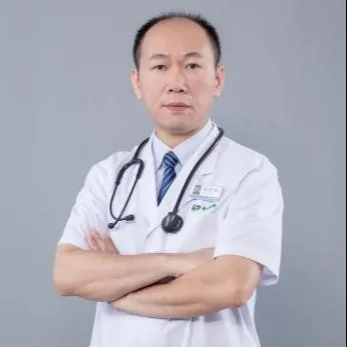
Dr. Chen Baozhong
Director, Department of Neurosurgery, Foshan Fosun Chancheng Hospital
-
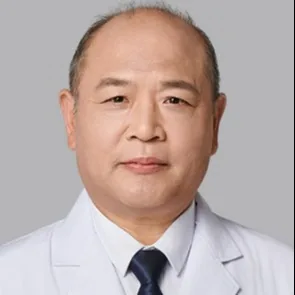
Dr. Duan Sanyou
Chief Physician, Functional Neurosurgery & Orthopedics, Guangzhou Fosun Chancheng Hospital
-
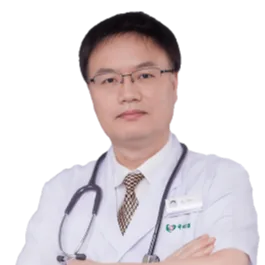
Dr. Long Chi
Associate Director, Second Department of Neurology Foshan Fosun Chancheng Hospital Associate Professor, Guangzhou University of Traditional Chinese Medicine
-
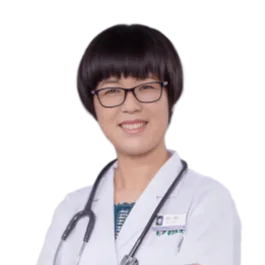
Dr. Ren Li
Director, Department of Neurology, Foshan Fosun Chancheng Hospital Executive Deputy Director, Department of Internal Medicine Doctor of Medicine
Showing 4 of 13 doctors
Neurology
The brain department is a key discipline under construction in the hospital. It has a total of 3 inpatient wards with 140 open beds. Specialties include neurology, neurosurgery, neurointervention, neurorehabilitation, and neuropsychology. Led by well - known experts such as Chen Wenming. Huang Haiying. Li Zhigang. Huang Xuxian, Xu Yan, and Dai Shengliang, a united, collaborative, practical, innovative and professional service team formulated for the bran department. In accordance with the standard requirements for the construction of a stroke center, the brain department center has implemented acute thrombolysis and bridging treatment for acute ischemic stroke, medical and surgical as well as rehabilitation treatment for cerebrovascular diseases, and comprehensive diagnosis and treatment for various inflammatory diseases, degenerative diseases, genetic diseases of the nervous system, and various types of vertigo.
Standardized treatment in the stroke center
In accordance with the national standards for stroke center construction, acute-phase interventions such as intravenous thrombolysis and endovascular thrombectomy (bridging therapy) for acute ischemic stroke are performed to shorten the treatment time window and optimize the whole-process management of stroke patients.
Comprehensive diagnosis and treatment of cerebrovascular diseases
Prevention, drug treatment, interventional surgery (such as aneurysm embolization and angioplasty) and postoperative rehabilitation of cerebrovascular diseases are all included. Individualized treatment plans are formulated in conjunction with the departments of neurology, neurosurgery, and rehabilitation.
Multidisciplinary diagnosis and treatment (MDT) of difficult and complicated neurological diseases
For neurological inflammatory diseases (such as autoimmune encephalitis). degenerative diseases (Parkinson's disease, Alzheimer's disease), genetic diseases, and vertigo, etc, accurate diagnosis and intervention are provided through multi-dimensional evaluations such as imaging, genetic testing, and electrophysiology.
Neurological function rehabilitation system
Combining exercise therapy, cognitive training. and psychological intervention, staged rehabilitation treatment is carried out for post-stroke functional impairment, spinal cord injury, etc. to promote the reconstruction of neurological functions.
Hepatobiliary Surgery
The department of hepatobiliary surgery s one of the core specialties in the minimally invasive surgical center of the hospital. Led by Professors Gu Well, Ou Xiaowei, and Zhang Yin, and associated with many other minimally invasive surgical experts. The department is characterized by the precise diagnosis and treatment of hepatobiliary and pancreatic diseases, focusing on the minimally invasive and individualized treatment of complex diseases such as hepatolithiasis, hepatobiliary and pancreatic tumors (such as liver cancer, cholangiocarcinoma, and pancreatic cancer, and portal hypertension due to liver cirrhosis. It routinely performs high - difficulty surgeries such as laparoscopic hepatectomy, choledochoscopy combined with holmium laser lithotripsy, and minimally invasive resection of pancreatic tumors. At the same time, it combines comprehensive approaches such as Interventional therapy and targeted therapy to formulate a diagnosis and treatment model of "minimally invasive first, multi - disciplinary collaboration.
Laparoscopic precise hepatectomy technology
Relying on navigation technologies such as three-dimensional reconstruction and intraoperative ultrasound, anatomical hepatectomy of liver segments/ hemiliver is carried out to reduce intraoperative bleeding and surgical trauma. It is applied for space-occupying lesions such as liver cancer and hepatic hemangioma.
Choledochoscope combined with holmium laser lithotripsy
Holmium laser lithotripsy is performed under direct vision of the choledochoscope, combined with intraoperative cholangiography for precise positioning. to improve the eradication rate of hepatobiliary duct stones and reduce the risk of postoperative residue and recurrence.
Minimally invasive resection of pancreatic tumors
Complex surgical procedures such as laparoscopic pancreaticoduodenectomy and distal pancreatectomy are performed. Preoperative neoadjuvant therapy is combined to improve surgical conditions and shorten the postoperative recovery period.
Comprehensive treatment of portal hypertension in liver cirrhosis
Combination of surgical and interventional treatments such as splenectomy + devascularization and TIPS interventional shunting, targeting to solve complications such as rupture and bleeding of esophageal and gastric varices and hypersplenism.
Multidisciplinary diagnosis and treatment (MDT) of hepatobiliary and pancreatic tumors. Teams such as imaging, medical oncology, and interventional radiology are combined to formulate individualized sequential treatment plans such as surgery, Interventional embolization, and systemic drug therapy to prolong the survival benefits of patients with advanced-stage tumors.
Core Medical Team
A senior faculty drawn from China and the U.S., each practising within a multidisciplinary team. Full team details are available on the Experts Center ↗.
-
Dr. Chen Baozhong
Director, Department of Neurosurgery, Foshan Fosun Chancheng Hospital
-
Dr. Duan Sanyou
Chief Physician, Functional Neurosurgery & Orthopedics, Guangzhou Fosun Chancheng Hospital
-
Dr. Long Chi
Associate Director, Second Department of Neurology Foshan Fosun Chancheng Hospital Associate Professor, Guangzhou University of Traditional Chinese Medicine
-
Dr. Ren Li
Director, Department of Neurology, Foshan Fosun Chancheng Hospital Executive Deputy Director, Department of Internal Medicine Doctor of Medicine
-

Dr. Su Shiya
Deputy Director, Department of Neurology Foshan Fosun Chancheng Hospital Lecturer, Guangzhou University of Chinese Medicine
-
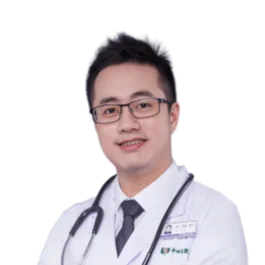
Dr. Wu Xihua
Deputy Director, First Department of Neurology Deputy Director, Department of Neurology Foshan Fosun Chancheng Hospital
-
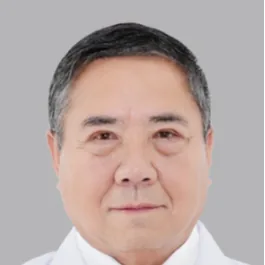
Dr. Yao Zhongwen
Chief Physician, Department of Functional Neurosurgery and Orthopedics, Guangzhou Fosun Chancheng Hospital
-
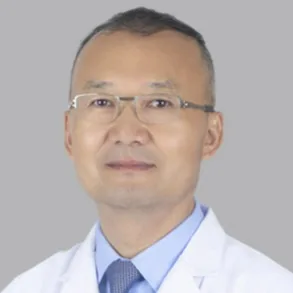
Prof. Liu Jixin
Professor, M.D., Chief Physician, Neurosurgery Specialist
-
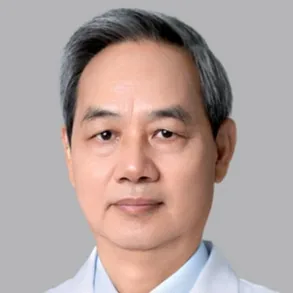
Prof. Xia Zhibai
Chief Physician / Professor, Doctoral Supervisor, Neurosurgery Specialist
-
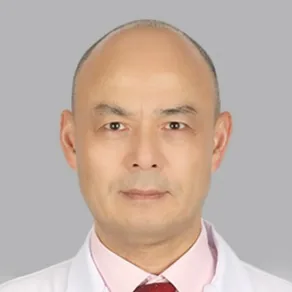
Prof. Chen Wenming
Chief Physician / Professor, M.Med., Neurology Specialist
-
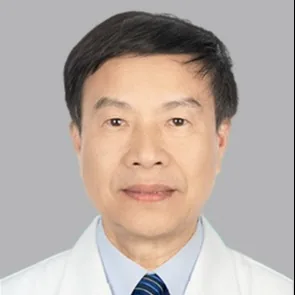
Prof. Huang Haiying
Chief Physician / Professor, Neurology Specialist
-
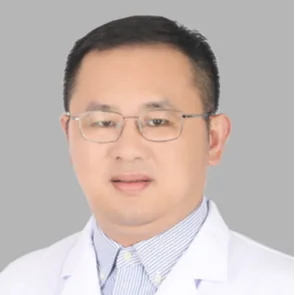
Dr. Li Zhigang
Associate Chief Physician, Neurology Specialist
-
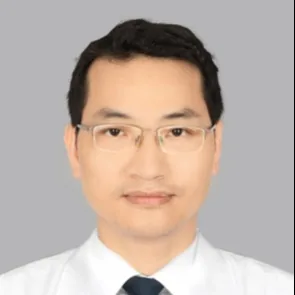
Dr. Xu Yan
Associate Chief Physician – Neurology Specialist
Choosing a Clinical Center in China
What are the Core Clinical Centers of Fosun Health?


Fosun Health operates 20 departments and specialty centers across its hospitals in China — Oncology Center, Orthopedics, Traditional Chinese Medicine, Cardiovascular Medicine, Reproductive Medicine, Women & Children's Department, Ophthalmology, Neurology, Hepatobiliary Surgery, Nephrology, Plastic Surgery, Rehabilitation Medicine, Wound Repair, Breast and Thyroid Surgery, Integrated Medicine for Chronic Diseases, Health Management, Brain, Urology, Medical Checkup Center and Intensive Care Medicine — supported by 76 provincial and municipal key specialties and 7 GCP-certified hospitals.
Which center should I choose for cancer treatment?
Start with the Oncology Center, anchored at Foshan Fosun Chancheng Hospital and Guangzhou Fosun Chancheng Hospital. It covers non-CNS solid tumors, central nervous system tumors, and hematologic malignancies, with 60,000+ annual oncology admissions across our major international hospitals in 2025.
What makes the Fosun Health Oncology Center world-class?
It combines full-cycle MDT care with CyberKnife M6 radiosurgery (one of only approximately 300 units worldwide, with 6,000+ cases performed at Foshan Chancheng), the Varian VitalBeam linear accelerator, Da Vinci robotic surgery, CAR-T cell therapy, and Tumor Treating Fields. The Oncology Center of Foshan Fosun Chancheng Hospital was the first in Asia to be certified by the Radiosurgery Society (RSS) in 2021.
How do I choose a center for non-cancer conditions?
Use the Departments menu on this page. Each department opens an on-page profile with its official specialty introduction and featured treatment programs. A link at the bottom of each profile leads to the full department page on hospitals.fosunhealth.com. If you are unsure, send us your reports for a free evaluation, and our specialists will recommend the appropriate center and doctor for your case.
Do these clinical centers accept international patients?
Yes. All departments serve international patients through our network-wide international patient teams, with multilingual support, direct billing with 70+ insurers, and access to nearly 60 innovative international medicines and devices under the Hong Kong and Macau Drug and Device Access Policy at designated hospitals.
Can I get a second opinion before travelling to China?
Yes. Begin with a remote video consultation or medical record review through our 9 licensed internet hospitals. Specialists review your scans and records, recommend the appropriate center and doctor, and our international team coordinates scheduling, visa, and travel arrangements.


Find the Right Center for Your Condition
Send us your reports for a free review — our specialists will recommend the right clinical center and doctor for your case.
Book a Consultation Start with a Video Consultation Browse Conditions We Treat