
2026-01-22
If your old scar has a mind of its own—growing, shrinking, and aching with your cycle—it's time to listen. You could be facing Abdominal Wall Endometriosis (AWE).
The Unwelcome Cycle:
Pre-Period: A subtle lump forms and hardens.
During Period: Pain peaks, often severe and focused.
Post-Period: Discomfort fades, the lump may soften… until the next cycle begins.
This isn't normal healing. If the tissue around your C-section scar acts up monthly—swelling, becoming tender, and causing pain—do not dismiss it. Consult a gynecologist promptly.
What Is Abdominal Wall Endometriosis (AWE)?
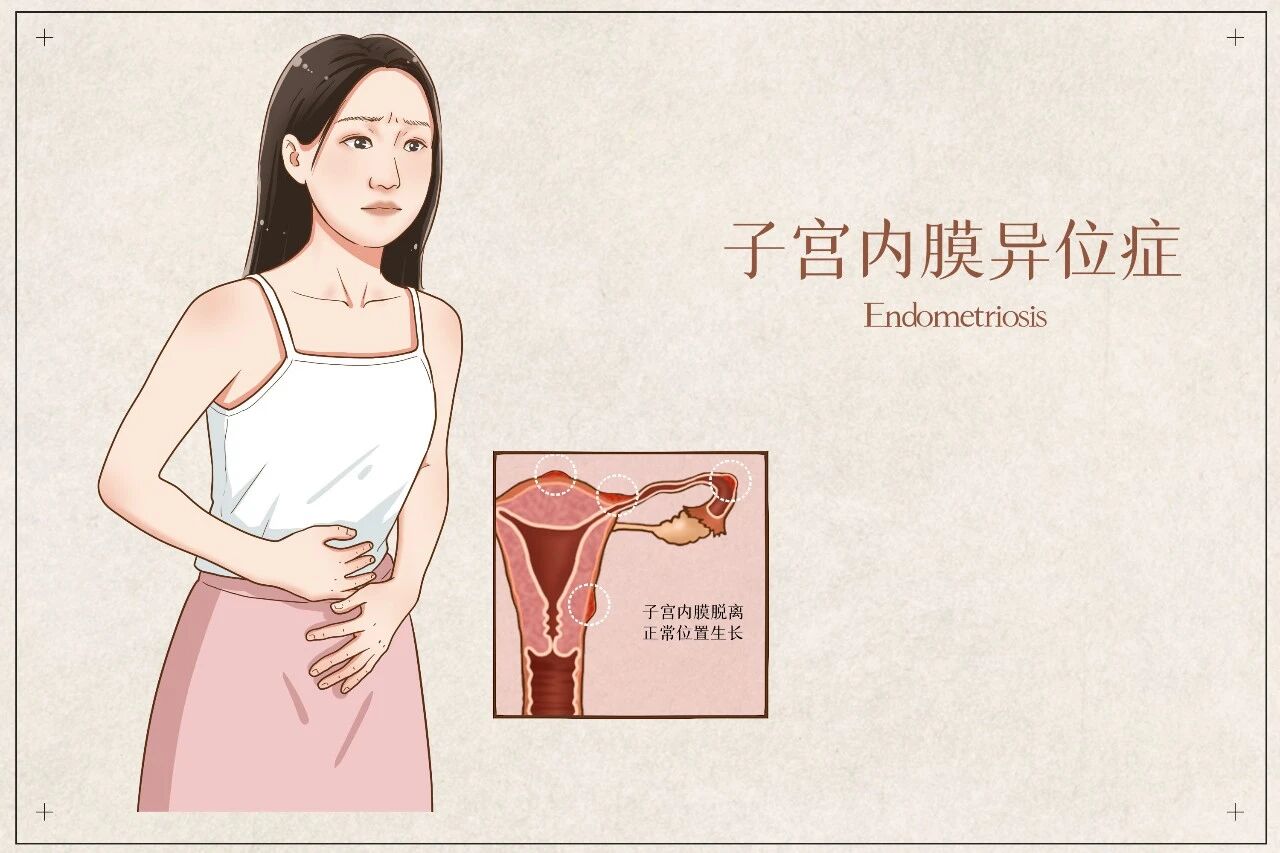
Imagine uterine lining tissue—meant to stay inside the uterus—migrating and implanting itself into the abdominal wall, often within a surgical scar. Like clockwork, this misplaced tissue thickens and breaks down each month. But with no exit, it forms an inflammatory, blood-filled nodule that causes recurrent, cyclical pain.
Key Facts:
Primary Link: Strongly associated with prior Cesarean sections.
Delayed Onset: Symptoms can appear months to years after surgery.
Progressive Pain: Discomfort often intensifies with each successive period.
Growth Patterns:
Superficial: A visible, sometimes tender lump under the skin that may darken or bleed during menstruation.
Deep: A hard, internal mass within the abdominal wall layers, not visible on the surface.
3 Signs to Watch For:
Cyclical Pain: Nodule tenderness begins 1-2 days pre-period, peaks during flow.
Palpable Mass: A firm lump within 1-5 cm of the scar that may enlarge over time.
C-Section History: About 80% of AWE cases occur post-Cesarean.
Why Surgery Is the Gold Standard
Medications often provide incomplete relief for deep lesions. A highly effective, minimally invasive option is Laparoscopic Extraperitoneal Endometrioma Resection.
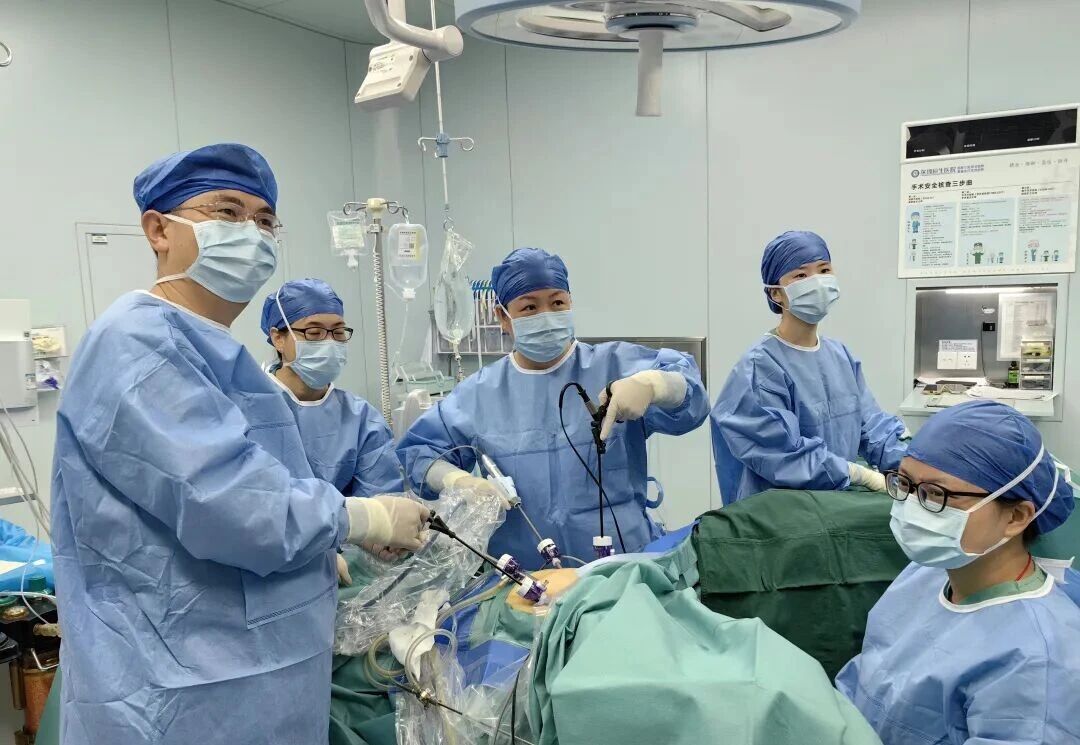
Take the case of Ms. He, who struggled with pain for years after her C-section. After ineffective medication, our team, led by Director Han Fang, performed this precise procedure. By accessing the lesion directly between the muscle layers—avoiding the abdominal cavity—we removed it completely. The benefits were clear: smaller incisions, minimal pain, and a recovery so swift she was home within two days.
Advantages of the Laparoscopic Approach
Minimal Access: A few 5-10 mm "keyhole" incisions mean less trauma and better cosmetics.
Precision Targeting: The extraperitoneal route navigates directly to the lesion between muscle layers, avoiding the abdominal cavity and vital organs for enhanced safety.
Visual Clarity: High-definition magnification ensures thorough lesion removal, reducing recurrence risk.
Can AWE Be Prevented? 3 Proactive Steps
Minimize Risk at Source: Opt for vaginal delivery when medically advisable to reduce the chance of endometrial cell implantation in a scar.
Consider Breastfeeding: It can delay menstruation, reducing hormonal stimulation of stray endometrial cells.
Stay Vigilant Post-Op: Attend postpartum check-ups. Report any new, cyclical pain or lumps near your scar immediately for early evaluation.