
2026-01-20
Last September, Ms. Liang (pseudonym), a patient with high-grade B-cell lymphoma (HGBL), came to the Foshan Chancheng Hospital Precision Oncology Center. Her advanced cancer had progressed despite undergoing nearly two years and five lines of prior therapy. Seeking a new option, she arrived at our center to explore CAR-T treatment.
After our hematologic oncology team completed her pre-treatment evaluation, a hospital-wide Multidisciplinary Team (MDT) discussion was organized in October under the leadership of Professor Ye Gang, Chief Oncology Specialist. The team meticulously reviewed her treatment plan and potential risks. The following month, the team initiated pre-CAR-T cytoreductive therapy, primarily using precision radiotherapy, to reduce her overall tumor burden. On October 24, 2023, we began the CAR-T cell infusion. Two months post-treatment, a follow-up PET/CT scan revealed an mCR (metabolic complete remission), indicating complete metabolic response on imaging.
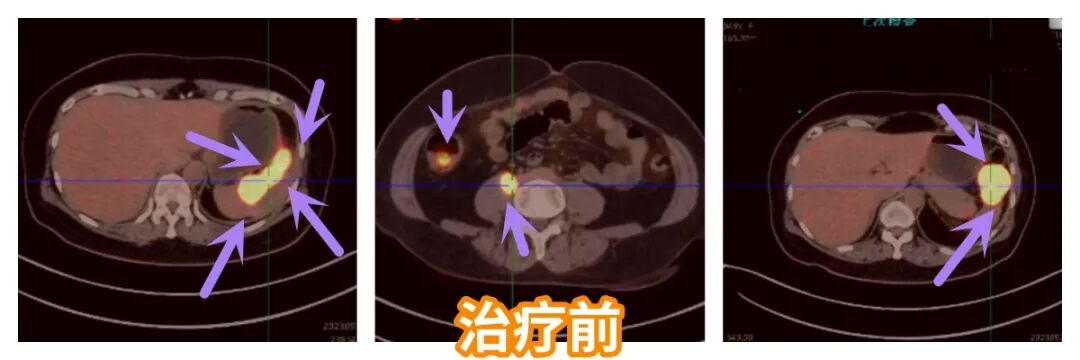
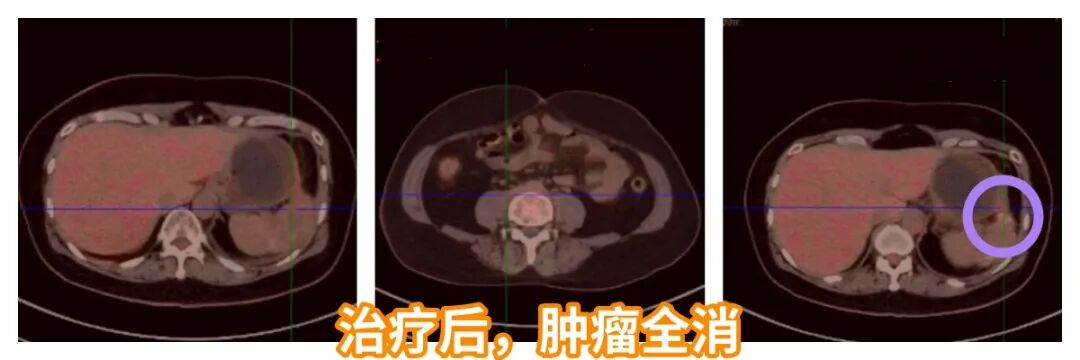
1. Understanding High-Grade B-Cell Lymphoma (HGBL)
High-Grade B-Cell Lymphoma (HGBL) is an aggressive and heterogeneous malignancy with morphological and genetic features intermediate between Diffuse Large B-Cell Lymphoma (DLBCL) and Burkitt Lymphoma (BL). It was classified as a distinct entity in the 2016 WHO classification, divided into two main categories:
Double-Hit/Triple-Hit Lymphoma (DHL/THL): HGBL with rearrangements of the MYC gene along with *BCL-2* and/or BCL6, confirmed by FISH or standard cytogenetics. Most are of the germinal center B-cell-like subtype.
HGBL, Not Otherwise Specified (NOS): Cases with blastoid or intermediate morphology between DLBCL and BL but lacking the specific MYC and *BCL2/BCL6* rearrangements.
Both HGBL-NOS and DHL/THL are clinically aggressive and heterogeneous, often presenting with poor prognostic features such as elevated lactate dehydrogenase (LDH) levels, involvement of bone marrow or the central nervous system (CNS), and a high International Prognostic Index (IPI) score.
As seen in Ms. Liang's case, HGBL is a difficult-to-cure malignancy, frequently characterized by poor prognosis, a relapsing course, and multidrug resistance. There is currently no single standard first-line regimen. Combination chemotherapy is typically employed to improve efficacy and delay drug resistance and relapse.
This raises a critical question: Why can CAR-T therapy achieve such remarkable efficacy in a patient like Ms. Liang, whose HGBL had become resistant to multiple drug regimens?
2. What Exactly Is CAR-T Therapy?
CAR-T, or Chimeric Antigen Receptor T-Cell Immunotherapy, is a novel form of precision-targeted cancer treatment with the potential to rapidly and potently eradicate tumors. In simple terms, it harnesses the patient's own immune cells to fight cancer.
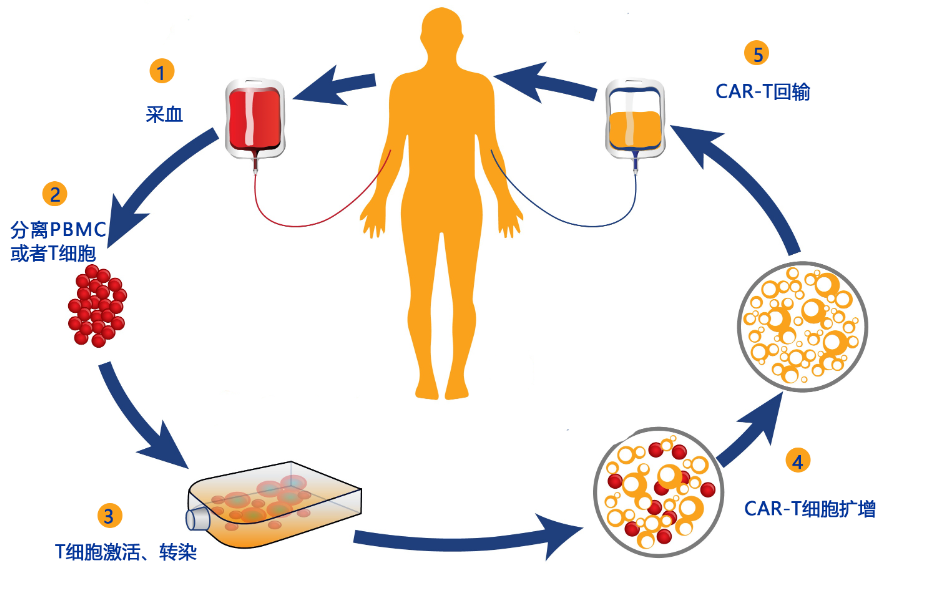
The CAR-T Cell Collection, Preparation, and Infusion Process
T cells are the body's natural guardians, adept at identifying and eliminating diseased cells. However, cancer cells are masters of disguise, evading detection by these "guardian" T cells and escaping immune destruction.
The CAR-T process involves:
Collecting the patient's T cells.
Engineering them with a gene that codes for a Chimeric Antigen Receptor (CAR), essentially giving them a "targeting system" to recognize cancer cells.
Expanding these newly equipped "CAR-T cells" into a potent army.
Infusing them back into the patient, where they seek out and destroy the previously hidden cancer cells.

Ms. Liang receiving her CAR-T cell infusion at the Foshan Chancheng Hospital Precision Oncology Center
This powerful battle can lead to significant immune-related side effects, requiring close monitoring and expert management by a specialized medical team. Once their mission is complete, the CAR-T cells gradually diminish within the body.
3. Which Cancers Can CAR-T Treat?
Currently, approved CAR-T products are indicated for hematologic malignancies such as relapsed or refractory large B-cell lymphoma. While there are reported cases of success in solid tumors like liver cancer, no CAR-T therapy for solid tumors is yet commercially approved. Ongoing research holds promise for expanding its applications.
Here at the Foshan Chancheng Hospital Precision Oncology Center, we are actively providing CAR-T therapy for B-cell lymphomas, acute lymphoblastic leukemia, and multiple myeloma. We are confident that with continued medical advancement, this therapy will benefit an ever-growing number of patients and create more stories of hope and recovery.
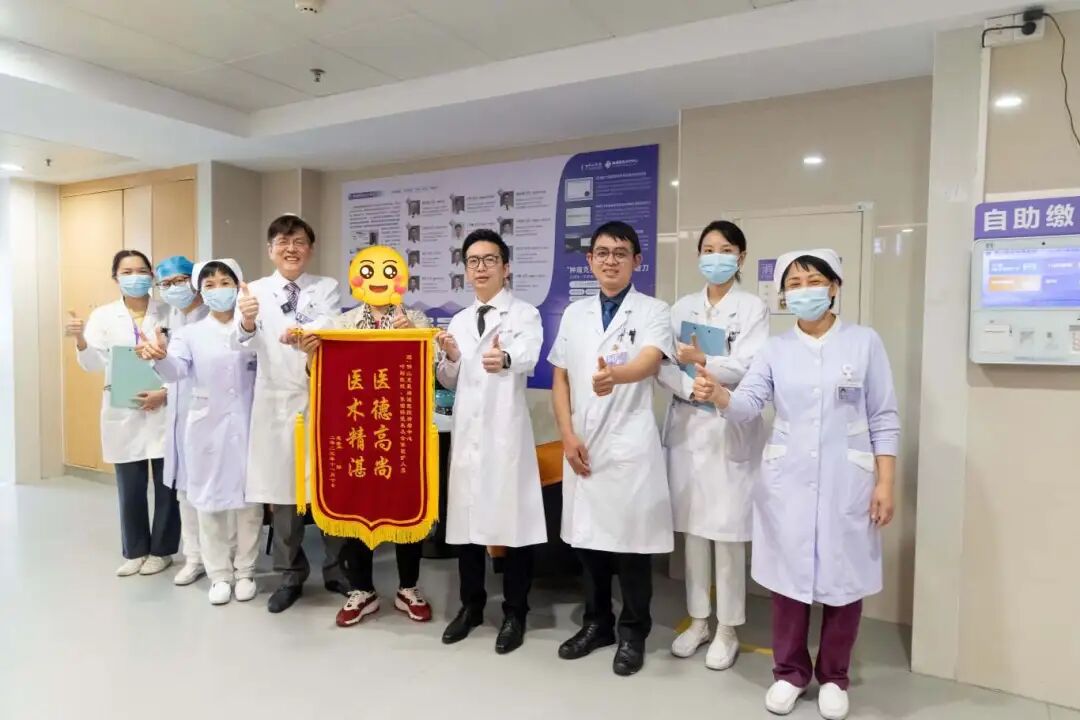
After discharge, Ms. Liang presented a commemorative banner to the oncology center team in gratitude