
2026-06-01
Ten months ago, a patient presented with cough and was found to have a centrally located right lung cancer with a tumor diameter of 5.5 centimeters. Pathology confirmed adenocarcinoma, and the tumor was already beyond surgical candidacy. The path forward seemed straightforward: following standard-of-care recommendations, the patient began chemoimmunotherapy.
Nine months and over 200,000 yuan later, the patient's condition had deteriorated steadily throughout treatment. The most recent follow-up brought even heavier news: a cerebellar metastasis had developed. The patient and family are left with a question that has no easy answer — after treatment this intensive, how did the tumor still spread?
Aggressive chemotherapy can sometimes resemble an indiscriminate storm: in destroying cancer cells, it simultaneously devastates the body’s own resistance and immune defenses. The celebrated cancer-survival advocate Qiao Zhen--a distinguished voice actor--once described how, when a person goes from vitality to extreme fragility and confidence is worn away entirely, rapid clinical deterioration often follows.
01 Sometimes, Real Treatment Means Doing Less
Having treated more than 1,500 challenging lung cancer cases with CyberKnife, we hold one core conviction: do not overtreat, do not attack indiscriminately. The primary goal of treatment is to help the patient themselves grow stronger.
1. Confidence is the cornerstone. A clam mind and determination will are medicine that no external intervention can replace.
2. Physical condition is the foundation of everything else. Eating well and sleeping well keeps immune function at its best.
3. Movement sustains vitality. Appropriate physical activity promotes the smooth flow of qi, blood, and meridians and help the body clear harmful products.
Built on this foundation, combined with rational and proportionate treatment, the goal is long-term survival with tumor at high quality of life-- not an all-or-nothing battle waged at any cost.
02 A True Story: 14 Years, Three Encounters
Principles requires evidence. Fourteen yeas ago, a patient with centrally located right lung squamous cell carcinoma--equally inoperable--came to Prof. Wang Enmin. Prof. Wang formulated a plan: four sessions of CyberKnife stereotactic radiotherapy, followed by four cycles of adjuvant chemotherapy.
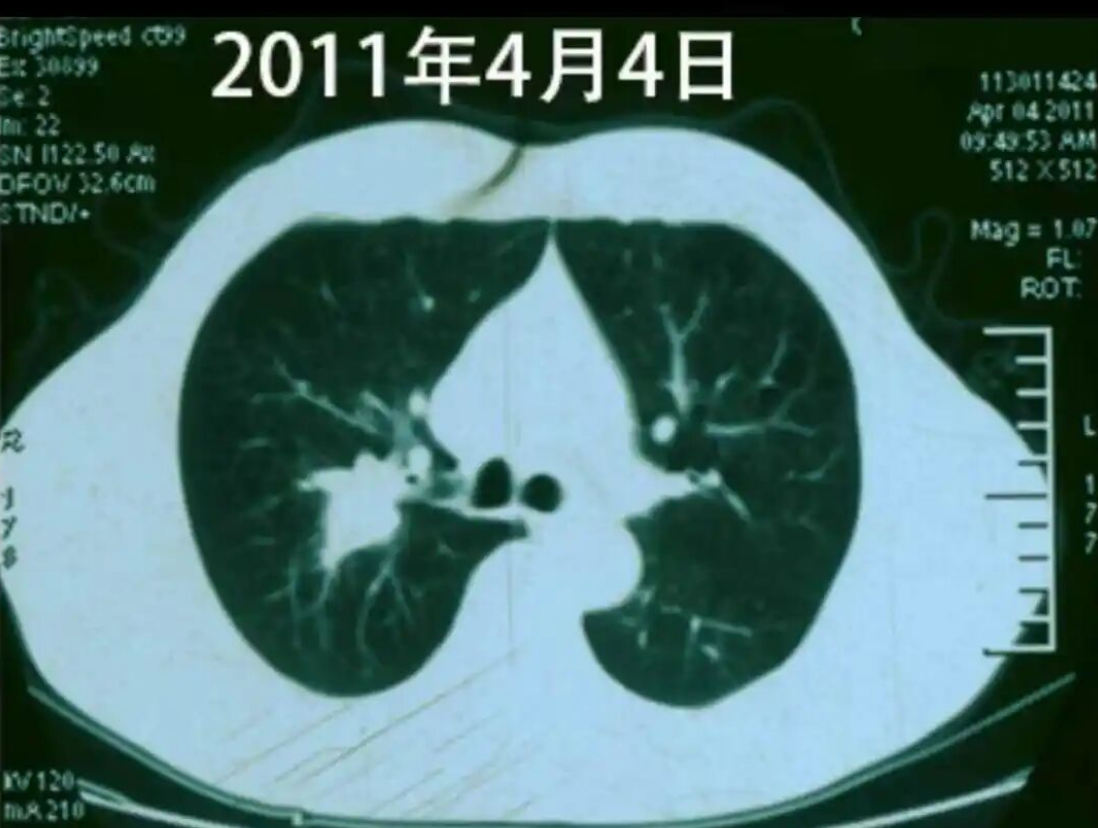
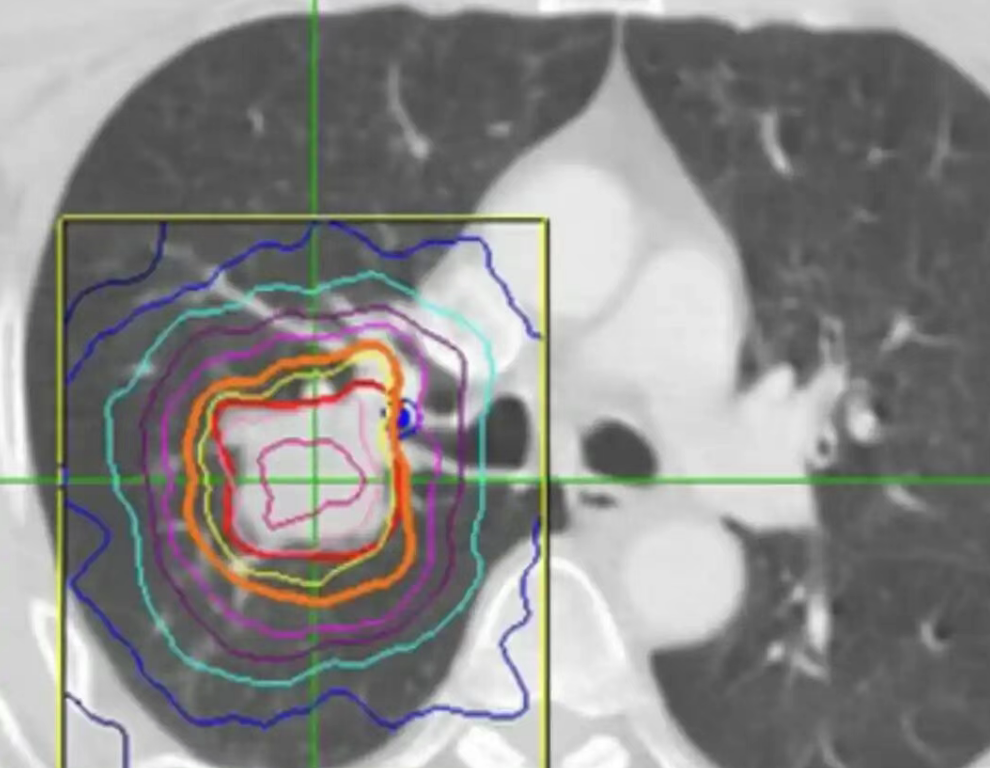
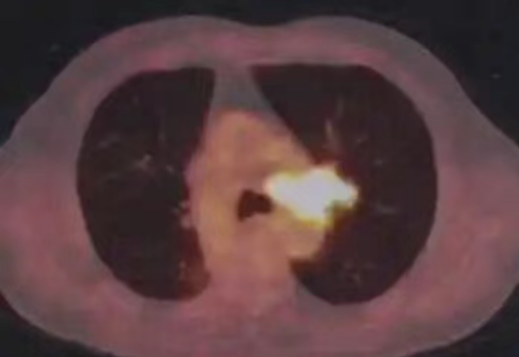
Treatment proceeded smoothly and the patient returned to normal life. Nine years later, a new lesion appeared at the left pulmonary hilum. CyberKnife was used again, once more followed by four cycles of chemotherapy.
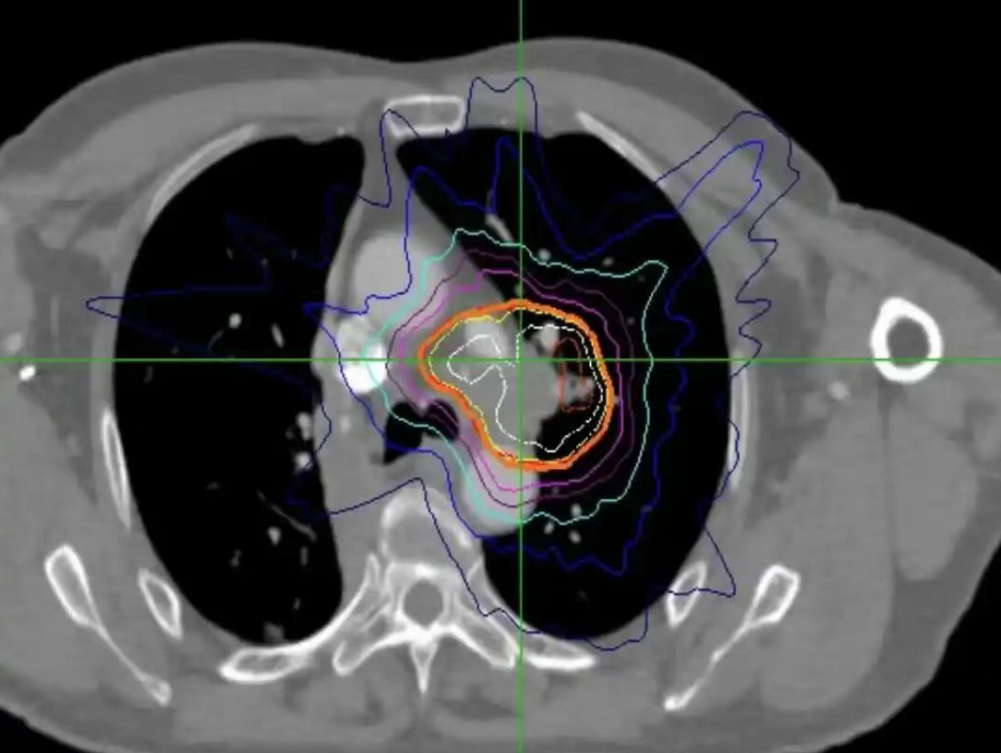
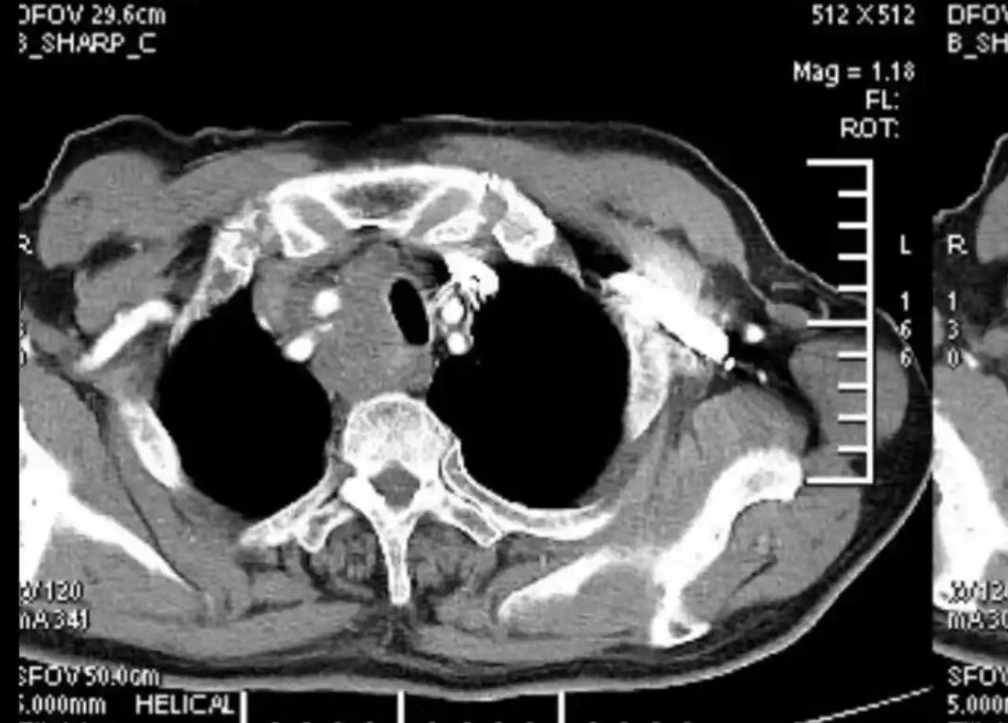
This past March, the patient presented with cough; surveillance imaging revealed sighs of recurrence in the right mediastinum and right upper lobe. Prof. Wang is currently preparing a third course of CyberKnife treatment. This 14-year cancer marathon continues.
03 CyberKnife Combined Therapy: An Underutilized Option.
This case illuminates a potentially superior strategy: for inoperable lung cancer, CyberKnife -- a robotic stereotactic radiotherapy system capable of exceptional precision -- combined with chemotherapy or immunotherapy, deserves to be among the first options considered.
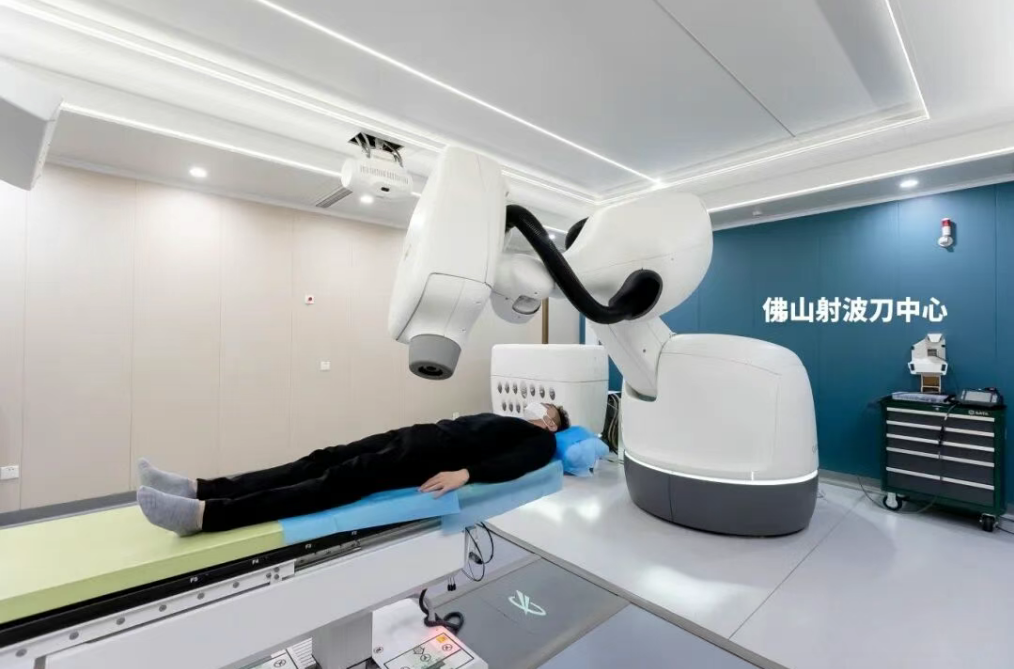
CyberKnife’s advantage lies in targeted ablation: it delivers a high biologically effective dose directly to tumor while causing minimal injury to surrounding normal tissue, avoiding the widespread collateral damage associated with conventional radiotherapy. Its combination with systemic therapy -- chemotherapy or immunotherapy -- operates on the principle of precise local control paired with comprehensive systemic coverage: rapidly controlling the local lesion while consolidating systemic effect, preserving the patient’s physical reserves and immune capacity, and enabling long-term survival with tumor.
It is regrettable that this well-established, advanced approach remains insufficiently recognized and underutilized.
Sharing this case and this treatment philosophy is not a dismissal of other modalities — it is an offer of an additional perspective, an additional option. When facing lung cancer, particularly when surgery is not possible, aggressive systemic attack is not the only path. Cost-effectiveness, quality of life, and extended survival — that is the treatment framework patients genuinely need.
Every precisely delivered treatment is an act of genuine commitment to a patient's life. We hope that more patients and clinicians will come to know and consider this strategy — so that more lives, guided by sound science, can gain more time, and more dignity.