


Walking steadily down the hospital corridor with a smile on her face, 64-year-old Ani from Indonesia looked remarkably different from the woman who, just over ten days earlier, could barely walk 100 meters without experiencing severe pain. Originally from Lubuklinggau, South Sumatra, Indonesia, she traveled more than 2,000 kilometers to Foshan Fosun Chancheng Hospital International Medical Center (FIMC) in China, seeking specialized treatment for her spinal condition.
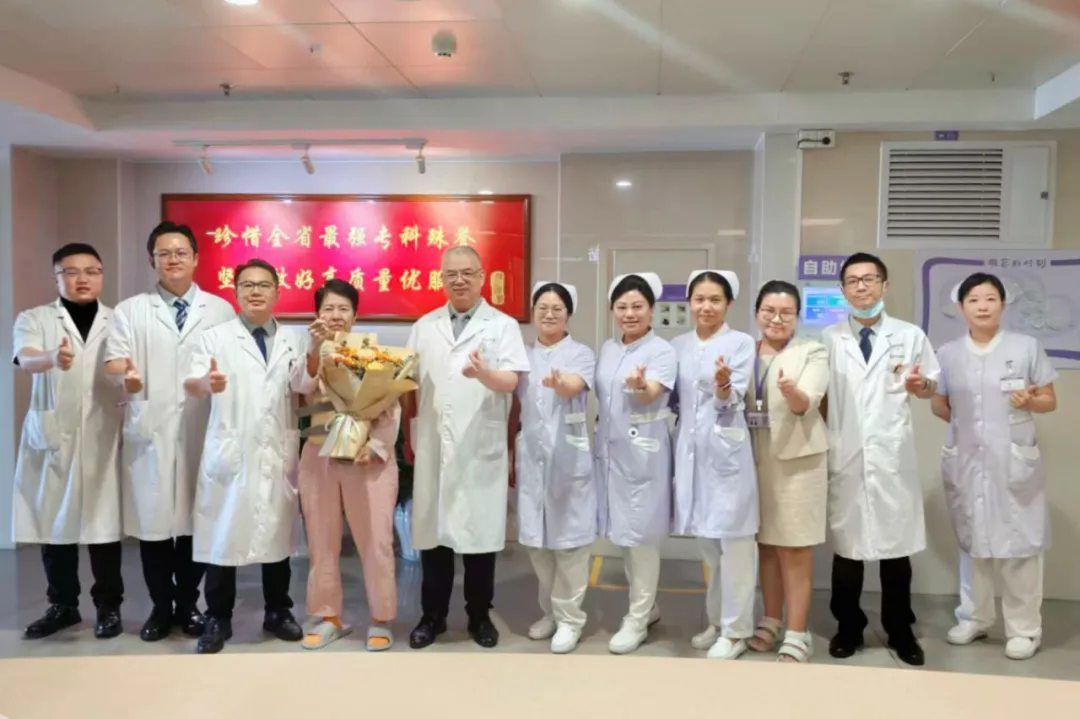
Photo: Indonesian patient Ani with her medical team in China
Her decision to seek treatment in Foshan was far from spontaneous. She had previously undergone knee replacement surgery in Penang, Malaysia — a destination closer to Indonesia and one where communication was easier.
This time, however, Ani and her family made a different choice: they placed their trust in a hospital in Foshan, China.
A Journey Across Borders Built on Trust
Ani had struggled with lower back pain for years. One of her most debilitating symptoms was neurogenic intermittent claudication. After walking for less than ten minutes, she would experience numbness and sharp pain in both legs, forcing her to stop and rest.
Initially, she considered returning to Penang, Malaysia, for treatment. However, imaging examinations revealed a complex combination of lumbar disc herniation, spinal canal stenosis, scoliosis, mild spondylolisthesis, and severe osteoporosis.
Doctors there proposed a major surgical procedure estimated to take eight hours.
“Eight hours? I was frightened when I heard that,” Ani recalled.
After discussing the proposed treatment, she and her family decided to return to Indonesia to consider their options.
A turning point came when they learned about FIMC.
Her family sent Ani's MRI scans and X-rays to the hospital for a remote medical assessment
After carefully reviewing her imaging results, the specialist team determined that surgery was feasible and that a favorable outcome could reasonably be anticipated.
The team's prompt response, clear treatment recommendations, and professional assessment gave Ani and her family the confidence to move forward.
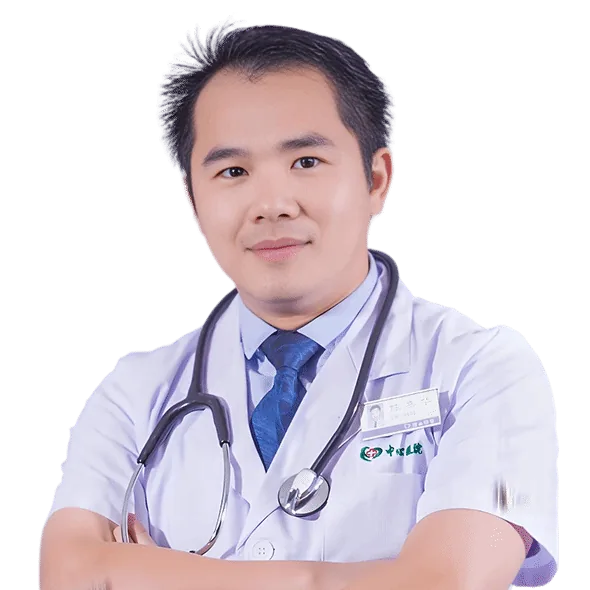
Dr. Chen Jiahua, Director of Spine Surgery Department II and the lead surgeon, explained:
“After reviewing her scans remotely, we developed a clear treatment plan. Our professional and thorough assessment helped the patient make her decision.”
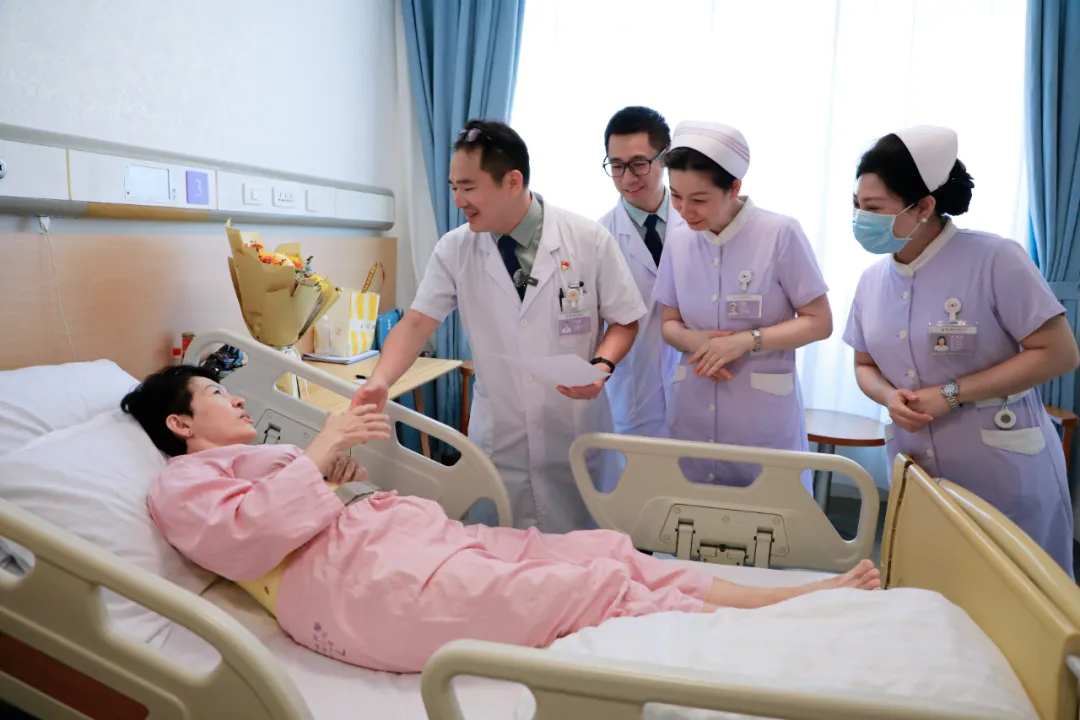
Photo: The spine surgery team conducting ward rounds and checking on Ani's recovery
Precision Surgery and Comprehensive Patient Care
On October 7, during China's National Day holiday, Ani successfully underwent robot-assisted spinal surgery at Foshan Fosun Chancheng Hospital.
Given her severe osteoporosis, the surgical team adopted a carefully tailored approach incorporating autologous bone graft fusion. The procedure aimed to decompress the affected nerves, correct the spinal curvature, and promote long-term spinal fusion and stability.
Following surgery, the team also provided a customized spinal brace to support her early mobilization and rehabilitation.
“Before surgery, she could barely walk 100 to 200 meters. Just now, I saw her walking laps around the corridor,” Dr. Chen shared with satisfaction during the interview.
He expressed optimism that, with continued recovery and rehabilitation, Ani could regain a level of mobility and quality of life comparable to others in her age group.
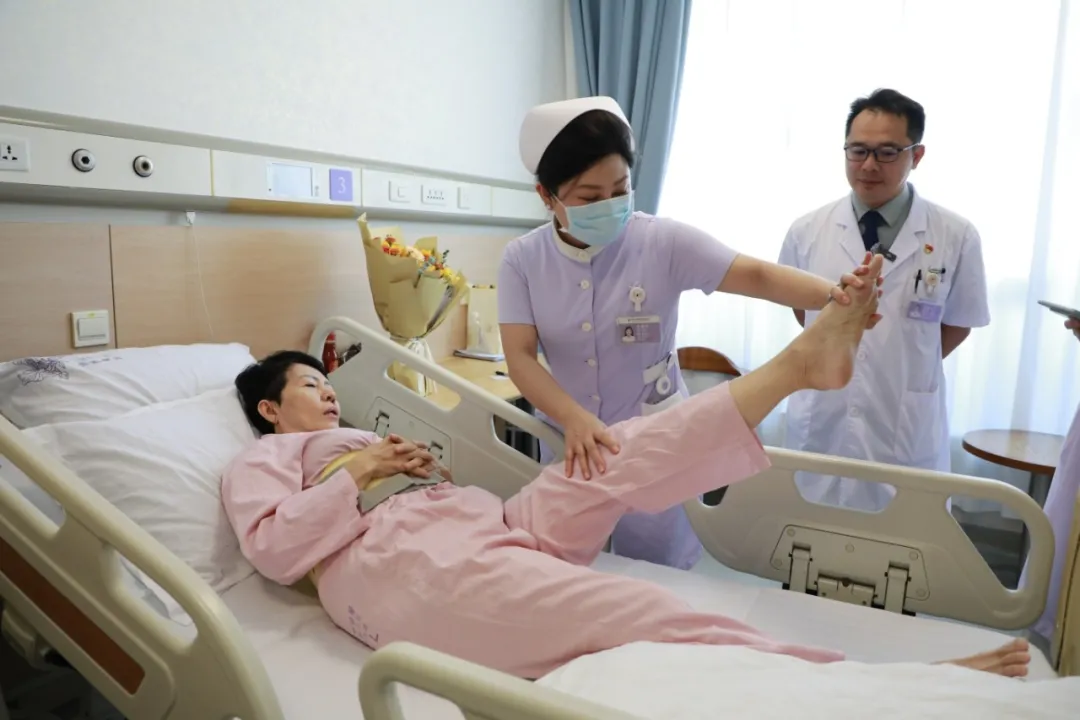
Photo: The nursing team assisting Ani with postoperative rehabilitation exercises
For international patients traveling overseas for medical treatment, concerns often extend beyond the medical condition itself. Language barriers, dietary preferences, unfamiliar surroundings, and differences in daily routines can all add to the stress of seeking care abroad.
These are precisely the challenges that FIMC has worked to address through years of developing its international patient services.
From remote medical assessments, travel coordination, and airport pickup arrangements to expedited admission, around-the-clock language assistance, and continued rehabilitation guidance through WeChat, dedicated team members support patients at every stage of their healthcare journey.
Importantly, care does not end at discharge.
Through dedicated patient communication groups, attending specialists can respond directly to medical questions, while multilingual coordinators help ensure clear communication and continuity of care.
For international patients like Ani, this approach transforms a single hospital visit into a more connected, reassuring, and personalized healthcare experience.
“The service was really excellent. We are very satisfied,” Ani said repeatedly.
“The doctors were very patient, and the nurses were so kind. Their warmth and kindness made us feel truly comfortable.”
Building International Trust Through Medical Excellence
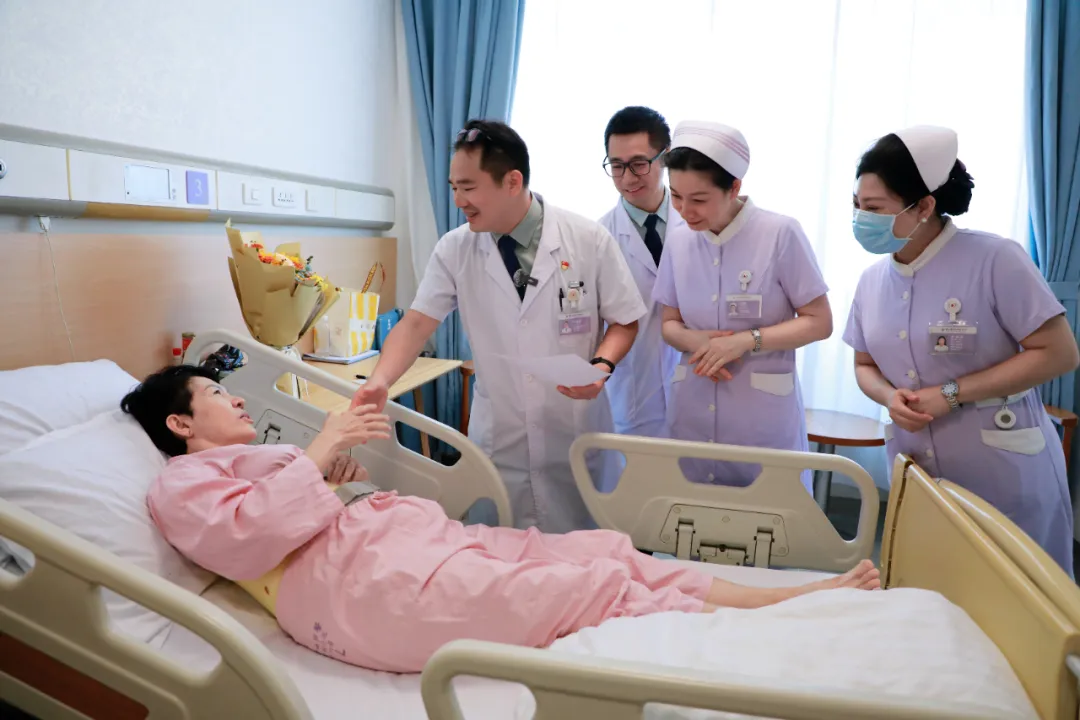
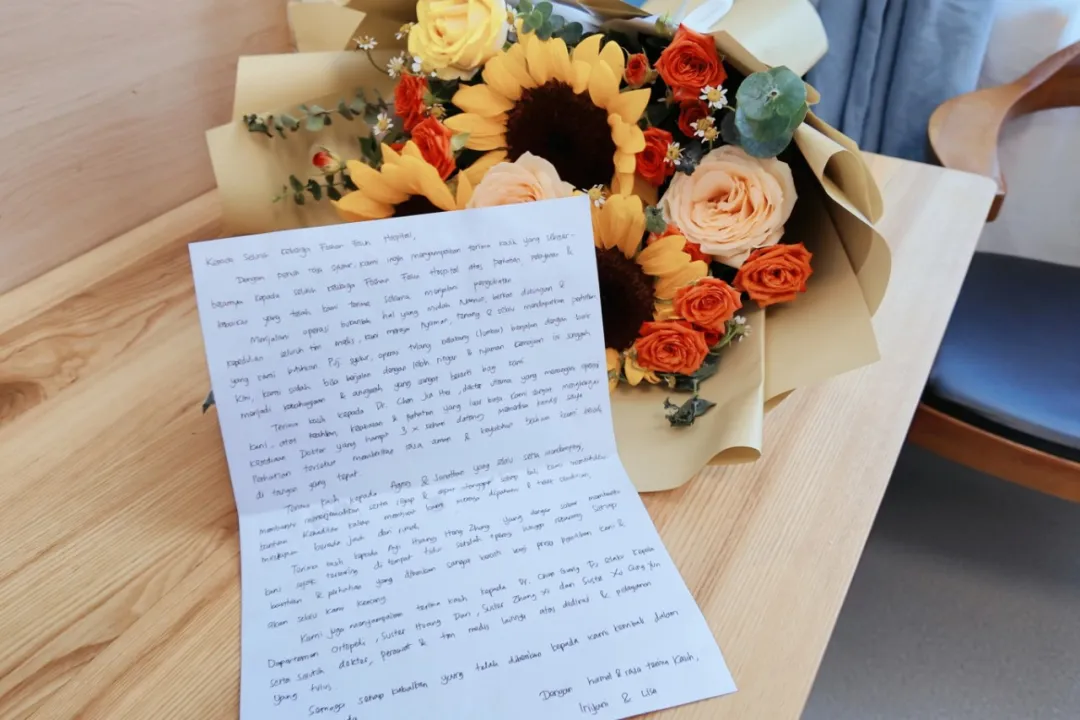
Photos: Before discharge, Ani presented a handwritten thank-you letter to the medical and nursing teams
Ani's experience reflects the broader clinical expertise and patient-centered approach developed at Foshan Fosun Chancheng Hospital.
As a Guangdong Provincial Key Clinical Specialty, the hospital's Spine Surgery
Department has established a comprehensive range of subspecialties over the years, encompassing minimally invasive spine surgery, scoliosis correction, cervical spine surgery, and complex spinal reconstruction.
Through extensive clinical experience in treating common lumbar and cervical spine conditions, the department continues to refine its approach to providing safe, minimally invasive, and individualized treatment tailored to each patient's needs.
Behind every international patient's decision to seek treatment abroad lies a combination of clinical expertise, professional trust, and compassionate care.
From initial remote consultations and multilingual communication to postoperative follow-up and personalized daily assistance, every stage of cross-border healthcare puts a hospital's comprehensive service capabilities to the test.
Before leaving the hospital, Ani made a heartfelt gesture. Speaking slowly in Chinese, she said, “Xie Xie” — “Thank you.”
She also shared that, once back in Indonesia, she hoped to tell her friends about her healthcare experience in Foshan.
From Lubuklinggau to Foshan, Ani's journey crossed more than geographical borders. It represented a growing trust in Chinese healthcare.
And stories like hers are helping Foshan strengthen its connections with the world — one patient, one experience, and one meaningful relationship at a time.