2025-10-16
Treating jawbone tumors presents a significant challenge in preserving essential functions. As a precise and noninvasive technology, the CyberKnife offers patients a new option to eliminate tumors while maintaining facial integrity.
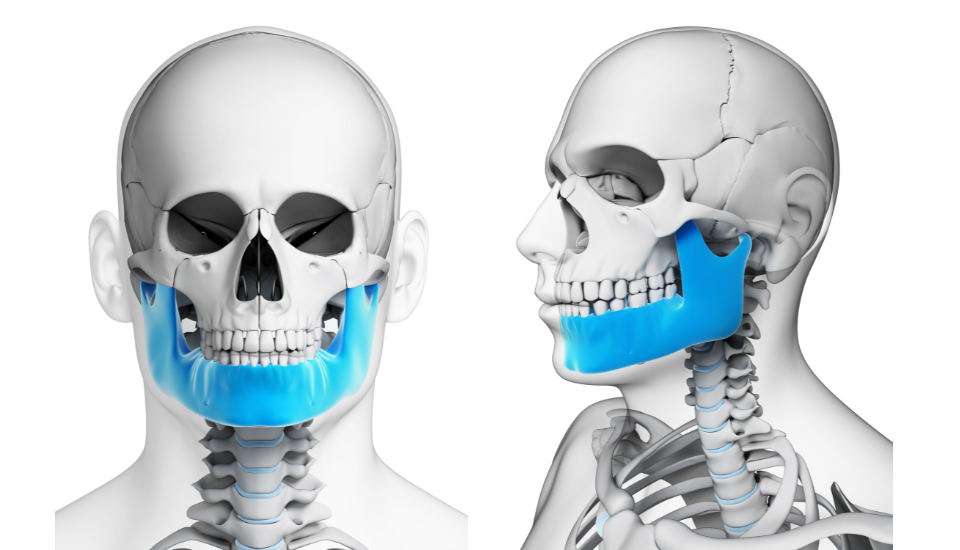
Jawbone tumors—especially malignant ones—are extremely difficult to treat. Traditional surgical removal often requires partial or complete resection of the jawbone, leading to severe complications such as facial deformity, difficulty in chewing, and speech impairment. For early-stage and localized tumors, surgery remains the most common approach. However, the jawbone’s complex anatomy, with its dense network of nerves and blood vessels, makes surgery particularly demanding. Surgeons must completely remove the tumor while preserving as much structure and function as possible—a delicate balance that requires exceptional precision and skill.
With advances in medical technology, the CyberKnife, an innovative stereotactic radiosurgery system, is emerging as a potential alternative to traditional surgery for selected patients with jawbone tumors.
1. Jawbone Tumors: A Hidden Threat Within the Mandible
Jawbone tumors can be either benign or malignant. Among them, “jaw cancer”—a malignant epithelial tumor originating in the jawbone—is rare but highly aggressive with poor prognosis.
Onset and causes:
Jaw cancer most commonly affects men aged 40–60, particularly in the molar region of the lower jaw. While the exact cause remains unclear, factors such as genetics, immune status, chronic inflammation, and lifestyle habits (like smoking and alcohol use) are believed to play a role.
Symptoms:
Early symptoms are subtle, often mistaken for toothache or local discomfort. As the disease progresses, patients may experience numbness in the lower lip, tooth loosening, or facial swelling. Numbness of the lower lip is a concerning sign, suggesting possible invasion of the mandibular nerve canal.
2. The Dilemma of Conventional Treatment: Surgery vs. Function Preservation
Surgery remains the primary treatment for jawbone cancers—but it comes with major trade-offs.
Balancing tumor removal and function:
Depending on tumor extent, surgeons may need to remove half or even the entire mandible. Although radical resection ensures thorough tumor clearance, it can severely impair facial appearance and basic functions such as chewing, swallowing, and speaking.
Complexity of reconstruction:
If a large portion of the jaw is removed, reconstruction using fibular grafts or other techniques is often required. Dental implants may also be needed later to restore occlusion. The entire process is lengthy, costly, and physically demanding for patients.
Side effects of adjuvant therapy:
To prevent metastasis, postoperative chemotherapy may be recommended—but it can also damage healthy tissue, causing various side effects.
For elderly patients, those with poor general health, or tumors in anatomically complex regions, surgery may not be feasible at all.
3. CyberKnife Technology: Noninvasive, Precise Tumor Targeting
The CyberKnife—also known as a stereotactic radiosurgery platform—is a state-of-the-art, robot-assisted radiotherapy system. Unlike traditional surgery, it uses high-energy radiation beams to destroy tumors without any incisions.
Precision targeting:
The CyberKnife delivers multiple focused radiation beams from different angles, converging precisely on the tumor while sparing nearby healthy tissue
Real-time tracking:
For tumors that move with breathing or swallowing, the system continuously tracks and adjusts the radiation beam in real time, maintaining pinpoint accuracy throughout treatment.
Comfortable and painless:
No anesthesia or hospitalization is required. Each session lasts 15–30 minutes, with 1–5 sessions typically sufficient. Patients can resume normal activities immediately after treatment.
4. CyberKnife vs. Traditional Surgery: A Comparison of Advantages
For suitable cases, CyberKnife therapy offers several advantages over surgery:
Functional preservation:
The most notable benefit is the ability to destroy the tumor while preserving the structural integrity of the jaw—maintaining both appearance and oral function.
Noninvasive and low-risk:
No bleeding, no incisions, and minimal risk of infection or nerve damage. Ideal for elderly or medically fragile patients.
Short treatment time:
Usually completed within a week (1–5 sessions), compared with 4–6 weeks for conventional radiotherapy.
Submillimeter precision:
With accuracy under 1 mm, the CyberKnife can safely target tumors near vital nerves and blood vessels while protecting healthy tissue.
5. Indications for CyberKnife in Jawbone Tumor Treatment
CyberKnife therapy may be suitable for:
Early-stage localized tumors:
High local control rates make CyberKnife a potential alternative to surgery.
High-risk surgical cases:
For patients unfit for anesthesia or with tumors near critical structures.
Residual or recurrent tumors:
Effective as a salvage therapy after incomplete resection or recurrence.
Patients refusing surgery:
An option for those wishing to preserve jaw integrity and avoid surgical trauma.
The final treatment decision should be made through multidisciplinary consultation, considering tumor type, stage, and the patient’s overall condition.
6. The CyberKnife Center at Foshan Fosun Chancheng Hospital: Technology and Expertise Combined
Foshan Fosun Chancheng Hospital stands out as a regional leader in CyberKnife technology.
World-class equipment:
The hospital is equipped with the sixth-generation CyberKnife M6 system, one of the most advanced radiosurgery platforms worldwide, offering submillimeter precision and real-time tumor tracking.
Renowned expert team:
The center is led by Dr. Yang Jun, an international authority and co-author of the CyberKnife physics quality control guideline (TG135). Clinical operations are headed by Prof. Wang Enmin, who has treated over 16,000 patients since 2007, with exceptional expertise in complex brainstem and skull base cases.
International standards:
The hospital’s Precision Oncology Center adheres to global clinical protocols and quality benchmarks, integrating screening, diagnosis, treatment, and research under one standardized system.
Personalized care:
Every treatment plan is tailored to the patient’s tumor characteristics and overall health, ensuring comprehensive management across physical and psychological dimensions.
Dr. Yang Jun noted, “CyberKnife can treat solid tumors throughout the body. For head and neck tumors, it offers outcomes comparable to—if not better than—surgery”.
As medical technology advances, treatment for jawbone tumors is evolving from “radical excision” to “precise, minimally invasive, and even noninvasive tumor control”.
The CyberKnife represents this transformation—providing patients a path to preserve both life and facial integrity while improving their quality of life.