2025-10-16
When it comes to cancer treatment, the first question many people ask is, “Can it be cured?”
However, for some patients with head and neck squamous cell carcinoma (HNSCC), the disease is often diagnosed at an advanced stage, when curative options are no longer feasible. At that point, the medical focus shifts from eliminating the tumor to relieving pain, extending life, and improving quality of life.
In recent years, the CyberKnife system, often referred to as a breakthrough in cancer treatment, has brought new hope to these patients.
What Is Head and Neck Squamous Cell Carcinoma?
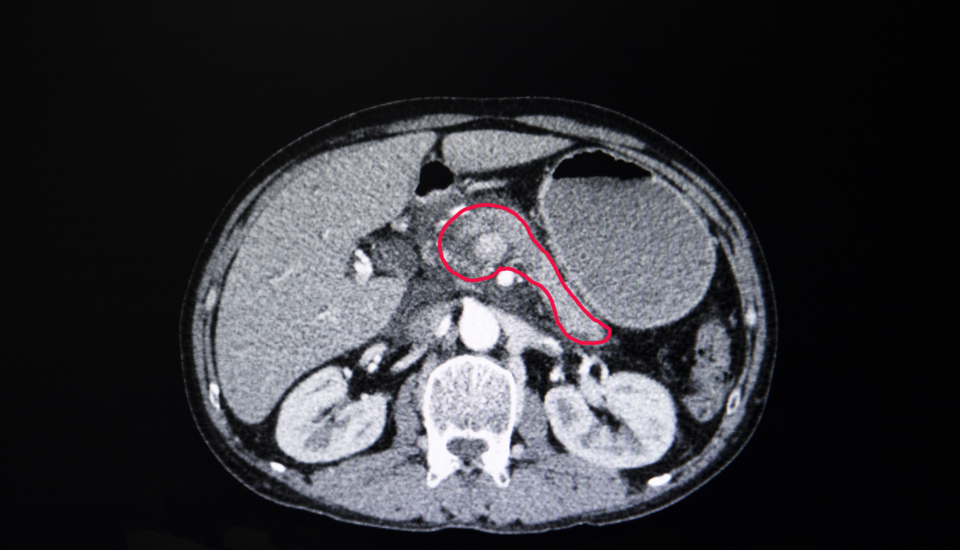
HNSCC is the most common type of cancer in the head and neck region. It usually develops in the oral cavity, pharynx, larynx, nasal cavity, or nasopharynx.
It is characterized by:
Hidden onset: Early symptoms are often mild and mistaken for mouth ulcers or chronic pharyngitis, leading to delayed diagnosis.
Challenging location: Tumors are often close to critical structures such as the vocal cords, swallowing pathways, and cranial nerves.
High recurrence and metastasis rates: Even after surgery or conventional radiotherapy, recurrence or distant metastasis is common.
This means that once the disease progresses to an advanced stage, treatment options become very limited. Surgery carries high risks, while traditional radiotherapy may severely damage surrounding healthy tissue, leading to significant side effects.
How Does CyberKnife Treat Head and Neck Squamous Cell Carcinoma?
CyberKnife is a robotic radiosurgery system capable of targeting tumors with sub-millimeter precision (as fine as 0.1 mm). Think of it as a “spotlight” that shines directly on the tumor, destroying cancer cells while sparing nearby healthy tissues.
In palliative treatment for HNSCC, CyberKnife offers several distinct advantages:
Non-invasive and painless: No incisions, no bleeding, no anesthesia. Patients can complete treatment while awake and comfortable.
Preserves vital functions: By avoiding damage to the vocal cords, throat, salivary glands, and cranial nerves, it reduces side effects such as dry mouth, swallowing difficulty, and voice loss.
Safe for recurrent cases: Even if a patient has already undergone conventional radiotherapy, CyberKnife can often be safely applied again.
Short treatment, quick relief: Typically completed in 1–5 sessions, with symptoms such as pain or swallowing difficulty improving rapidly.
Real-time tracking: The system automatically adjusts for small movements (like breathing or swallowing) to ensure the radiation beam stays locked on the tumor.
For patients with advanced HNSCC, CyberKnife is not aimed at “complete cure”. Instead, it helps to:
Relieve symptoms: Control bleeding, pain, and swallowing or breathing difficulties.
Extend survival: Provide additional months—or even years—of quality life.
Maintain dignity: Allow patients to keep speaking, eating, and spending meaningful time with loved ones, rather than suffering from the disease.
What Makes Foshan Fosun Chancheng Hospital Different?
When patients with advanced cancer walk into a hospital, their concerns are not only about equipment. They wonder:
Who truly understands my situation?
What kind of treatment can my body still handle?
Is there a way to live longer while still being able to speak and eat?
At Foshan Fosun Chancheng Hospital, the answer lies in a comprehensive, patient-centered approach:
Renowned expert team: The hospital brings together internationally recognized specialists, including Dr. Yang Jun, Prof. Wang Enmin, Prof. Cui Nianji, and Prof. Ye Gang. They combine global standards with extensive clinical experience to create individualized treatment plans.
Advanced technology platform: The sixth-generation CyberKnife M6 is supported by PET/CT, CAR-T therapy, Tumor Treating Fields, and other cutting-edge technologies to provide multidimensional treatment options.
Multidisciplinary treatment (MDT): Each plan is developed through collaboration among specialists in radiation oncology, surgery, imaging, pathology, nursing, and nutrition, ensuring well-rounded and scientific decision-making.
Whole-cycle care: From screening and diagnosis to treatment, recovery, and psychological support, patients receive continuous, holistic care—making treatment a journey of life-long support, not an isolated procedure.
This unique blend of technology and compassion has made Foshan Fosun Chancheng Hospital a trusted choice for many patients and their families.
Advanced head and neck squamous cell carcinoma does not mean there is no way forward.
With CyberKnife and other precision radiotherapy technologies, palliative care is no longer just about “prolonging life”—it is about living more comfortably and with dignity.
Foshan Fosun Chancheng Hospital remains committed to leveraging its international team and state-of-the-art technology to bring light and hope to more patients.