2025-10-15
The parotid gland, located in front of the ear and near the jawline, is the largest salivary gland in the human body. Though small in size, it harbors a complex network of facial nerves.
Parotid tumors are not uncommon in adults. Most are benign, but some can be malignant. Because of their unique anatomical location, parotid tumors have long been considered a difficult challenge in medicine.
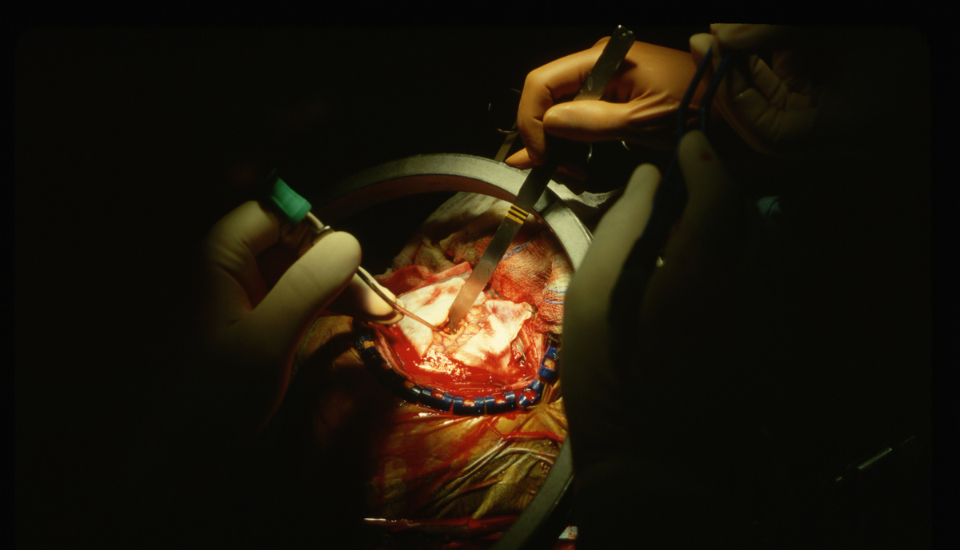
The traditional treatment for parotid tumors is surgical removal, but this approach comes with three major challenges:
- Nerve protection is difficult: Facial nerves branch through the gland like tree limbs. If injured, patients may experience facial asymmetry, inability to close the eye, or even long-term facial paralysis.
- Aesthetic concerns: Surgical incisions are typically placed in front of the ear or along the jawline, leaving scars that are difficult to conceal.
- Risk of recurrence: If the tumor is not completely removed, it may recur, and repeat surgery is far more complicated.
Patients often face a tough choice: accept the risks of scarring and facial paralysis, or seek a less invasive alternative.
| Dimension | Traditional Surgery | CyberKnife |
| Invasiveness | Requires incision, potential nerve and vessel injury | Non-invasive, no incision |
| Aesthetics | Facial scarring possible, affects appearance | Preserves natural appearance, no surgical scar |
| Nerve protection | Facial nerves easily damaged, risk of paralysis | Sub-millimeter precision avoids nerves, maximizes protection |
| Treatment duration | Hospitalization and long recovery | Typically 1–5 sessions, short course |
| Suitable patients | Younger, healthy patients who can tolerate surgery | Elderly, patients with comorbidities, or those prioritizing aesthetics |
CyberKnife: Precise “Sniper” That Protects the Smile
CyberKnife is an advanced stereotactic radiotherapy system, often referred to as “a scalpel without an incision”.
Its key advantages include:
- Sub-millimeter accuracy: With intelligent image guidance, it targets only the tumor—like a sniper with GPS—while sparing surrounding nerves and blood vessels.
- No incisions: Treatment is completely non-surgical, leaving no scars and preserving facial appearance.
- Short and efficient: While conventional radiotherapy may require 25–30 sessions, CyberKnife typically requires only 1–5.
- Comfortable experience: No anesthesia, no bleeding. Each session lasts about 15–30 minutes and feels like undergoing a CT scan.
For patients with parotid tumors, CyberKnife means more than just treating the disease—it means preserving their smile.
- Patients unable to undergo surgery: elderly individuals or those with conditions such as heart disease or diabetes.
- Tumors in high-risk locations: lesions adjacent to facial nerves or major blood vessels where surgery poses extreme risks.
- Patients concerned about appearance and quality of life: young women, public figures, and anyone who values facial aesthetics.
- Recurrent or secondary tumors: those with prior surgery, where scar tissue makes re-operation highly complex.
What Sets Foshan Fosun Chancheng Hospital Apart
- Expert leadership: Led by Dr. Yang Jun, one of the authors of CyberKnife’s international quality standards, with extensive clinical experience.
- Multidisciplinary care: Radiation oncologists, oral and maxillofacial surgeons, radiologists, and other specialists collaborate to create individualized treatment plans.
- One-stop service: From diagnostic imaging to precision radiotherapy, rehabilitation, and psychological support—all available under one roof.
- Human-centered approach: Beyond tumor control, the hospital prioritizes facial function and appearance, helping patients return to life with confidence.
Treating parotid tumors is not just about “removing a mass”. It is about safeguarding a person’s expressions, communication, and self-esteem.
With its precision and gentleness, CyberKnife offers a new option for parotid tumor patients: effective tumor control while maximizing nerve preservation and cosmetic outcomes.
At Foshan Fosun Chancheng Hospital, we combine advanced technology with compassionate care—protecting every smile with both science and heart.