2026-07-31
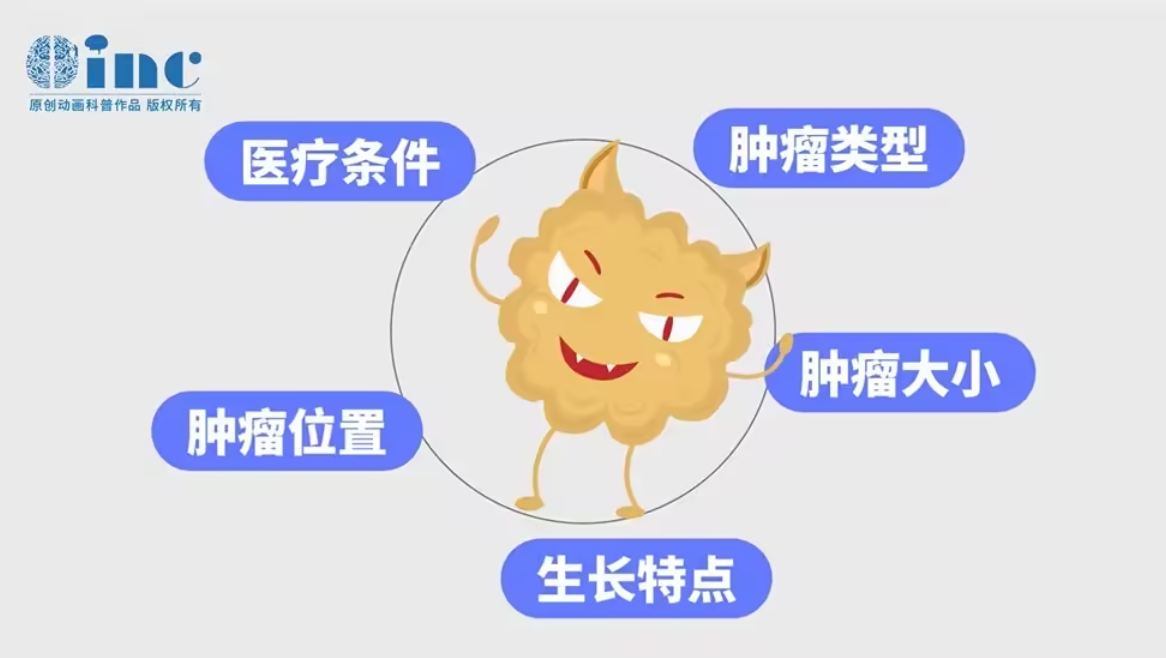
The recurrence rate after pituitary adenoma surgery is an important clinical concern. The postoperative recurrence rate varies among patients due to multiple factors, including but not limited to the following:
1. Tumor type and grade
Different types of pituitary adenomas exhibit different biological behaviors. For example, aggressive pituitary adenomas (such as pituitary carcinomas) and functioning pituitary adenomas (such as prolactinomas, GH‑secreting adenomas, and ACTH‑secreting adenomas) may have higher recurrence rates. In addition, the Ki‑67 index and the degree of invasiveness also affect the probability of recurrence.
2. Completeness of resection
Whether the tumor is completely removed during surgery is a critical factor influencing recurrence. If the tumor is not totally resected—especially for highly invasive pituitary adenomas—residual tumor cells may continue to grow, leading to recurrence.
3. Preoperative tumor size
Larger pituitary adenomas, particularly those that have already invaded surrounding structures, may be more difficult to completely remove due to surgical challenges, thereby increasing the risk of recurrence.
4. Appropriateness of endocrine therapy
For some functioning pituitary adenomas, whether appropriate endocrine therapy is administered postoperatively to control abnormal hormone levels is also key to preventing tumor recurrence.
5. Genetic factors
Some pituitary adenomas have a hereditary predisposition, and patients with such conditions may be more prone to recurrence.
6. Use and modality of radiotherapy
For certain recurrent cases, adjuvant radiotherapy after surgery can reduce the recurrence rate. However, the choice of radiotherapy modality (e.g., stereotactic radiosurgery, proton beam therapy, conventionally fractionated external beam radiotherapy, etc.) as well as its dose and field may also affect tumor control and potential recurrence risk.
7. Follow‑up and surveillance
Regular follow‑up visits and imaging examinations help detect early signs of recurrence and allow timely intervention.
Taking all these factors into account, physicians will develop individualized treatment and follow‑up plans based on the patient's specific condition to minimize the risk of recurrence as much as possible.
After surgery, patients should follow the doctor's recommendations, including medication, dietary adjustments, and physical rehabilitation guidance. In addition, patients after pituitary adenoma surgery may face psychological challenges such as anxiety and depression. Receiving psychological support can help alleviate emotional stress, improve coping abilities, and thus better facilitate postoperative recovery and reduce the risk of recurrence.
Is the recurrence rate high after pituitary adenoma surgery?
In general, the recurrence rate after pituitary adenoma surgery roughly ranges, with literature data suggesting it may vary from 5% to 15%. The actual recurrence rate should be assessed individually based on the patient's specific circumstances. To reduce the risk of recurrence, patients should undergo regular imaging examinations and endocrine function evaluations after surgery, and adhere to necessary follow‑up treatments and lifestyle management as advised by their physicians.
About INC International Neurosurgeons' Circle
The International Neurosurgical Consultant Group (WANG) under INC International Neurosurgeons' Circle includes numerous internationally renowned professors with exceptional surgical skills and extensive successful case experience. For instance, Professor Sebastien Froelich (France), former Chairman of the Skull Base Surgery Committee of the World Federation of Neurosurgical Societies (WFNS), specializes in endoscopic endonasal skull base tumor resection. He performs minimally invasive endoscopic surgery for complex brain tumors such as chordomas, craniopharyngiomas, and pituitary adenomas. His "chopsticks" technique in endoscopic surgery not only improves tumor resection rates but also enhances patient outcomes.
The above text is the full translation of the content regarding "Is the recurrence rate high after pituitary adenoma surgery?" It is intended for informational reading purposes only and should not be used as a substitute for professional medical advice. If you would like to learn more about pituitary adenomas, please feel free to contact us. Also, follow the official website and official WeChat account of INC. INC is a physician group focused on academic exchanges among neurosurgical experts. Its faculty members are members of the WFNS and various international neurosurgical organizations, editors‑in‑chief of major neurosurgery journals, and authors of textbook‑level neurosurgical works that have surgical approaches and anatomical structures named after them.