2026-07-29
According to a report by CCTV News citing Japanese media, renowned Japanese mystery writer Keigo Higashino recently passed away from colon cancer at the age of 68.

The man who wrote in Journey Under the Midnight Sun that "having something taken away from you does not mean you return to a blank state" ultimately failed to reclaim his own time. The news has left countless readers in deep sorrow. While mourning the fall of a literary giant, we must also face the "silent killer" lurking beside every one of us—colorectal cancer.
Why the Colon?
The colon is the terminal segment of our digestive system, primarily responsible for absorbing water and storing feces. If the stomach is a "crusher," then the colon is the "waste treatment plant." Modern diets high in fat and protein and low in fiber, combined with sedentary lifestyles, staying up late, smoking, and excessive drinking, cause feces to remain in the intestine for too long. The harmful substances in them continuously irritate the intestinal mucosa, and over time, this may trigger cancerous changes.
The Most Cunning Disguise
What makes colorectal cancer so terrifying is its exceptional ability to "disguise" itself. Early‑stage bowel cancer is almost painless; blood in the stool is often mistaken for hemorrhoids, alternating diarrhea and constipation are frequently dismissed as gastroenteritis, and abdominal bloating and pain are attributed to indigestion.
Higashino passed away at 68, which falls within the high‑risk age range for bowel cancer (40–75 years). Many busy professionals like him, absorbed in their work, neglect physical check‑ups. By the time noticeable symptoms such as significant weight loss or intestinal obstruction appear, the cancer is often already at an intermediate or advanced stage. This is precisely why bowel cancer is known as the "silent killer."
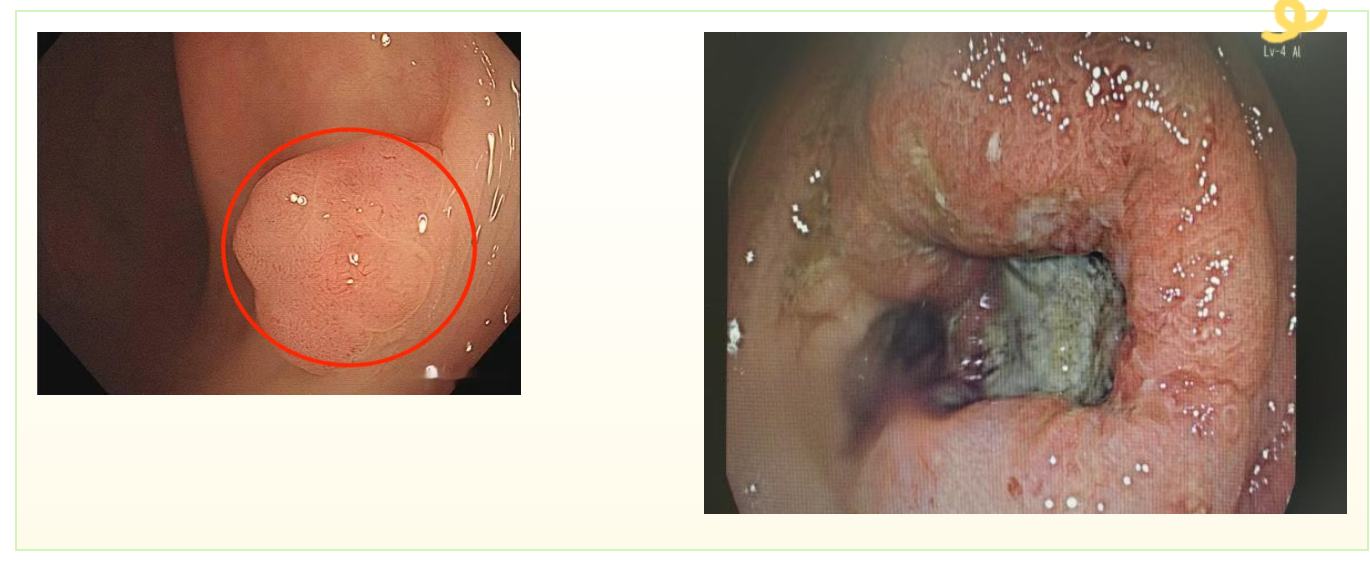
Early Screening: The Only Way to Stay Ahead
Although the name sounds frightening, colorectal cancer is actually one of the most suitable cancers for screening—and arguably one of the "slowest" cancers. That is because its progression is gradual: it typically takes 5–10 years for a polyp to develop into an adenoma and then into early‑stage cancer. This interval is our "golden window" for intervention.
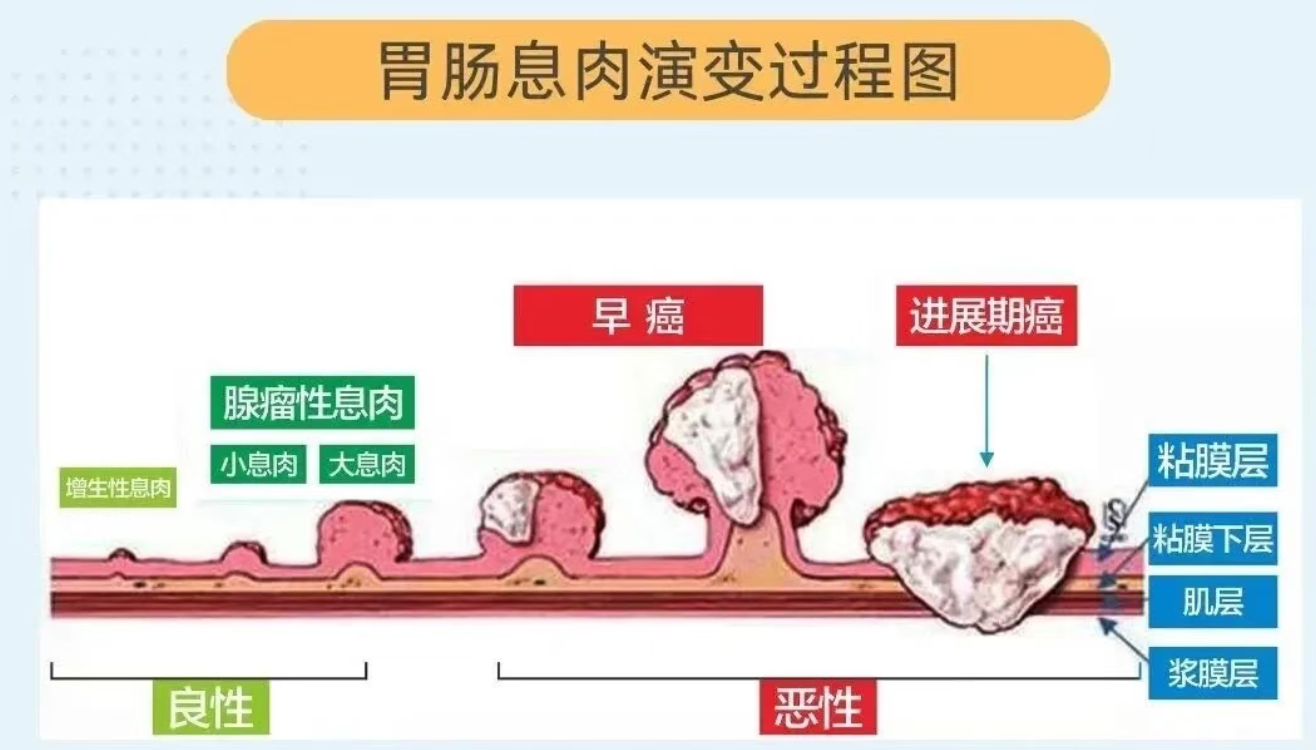
Colonoscopy is the gold standard for detecting early colorectal cancer. It not only allows direct visualization of the interior of the intestine but also enables the removal of precancerous lesions (polyps) during the procedure itself, nipping cancer in the bud.
The following high‑risk groups are advised to undergo regular colonoscopies:
- People aged 40 and above;
- Those with a family history of colorectal cancer (especially first‑degree relatives);
- Individuals with long‑term high‑fat, low‑fiber diets, smoking, or heavy alcohol consumption;
- Those with a history of chronic intestinal diseases (e.g., ulcerative colitis, Crohn's disease);
- Individuals with changes in bowel habits (alternating constipation and diarrhea), blood in the stool, or unexplained weight loss.
Treatment: From "One‑Size‑Fits‑All" to "Precision Preservation"
If diagnosed, do not fall into despair like the tragic characters in Higashino's novels.
Modern cancer treatment has come a long way. The choice of treatment for colorectal cancer must take into account the tumor stage, molecular subtype, the patient's overall health, and other factors. Surgery remains the cornerstone for eradicating tumors, radiotherapy and chemotherapy are important adjuvant and palliative modalities, targeted therapy offers the possibility of precisely attacking cancer cells, and immunotherapy provides new hope for certain patients. Under the guidance of specialist physicians, patients should select the most appropriate treatment plan based on their individual circumstances to achieve the best outcomes.
In particular, recent advances in precision radiation therapy—such as CyberKnife and linear accelerators—provide a non‑invasive treatment option for bowel cancer patients with tumors in difficult locations that are surgically unresectable, or for those who cannot tolerate surgery due to advanced age or underlying diseases. By focusing highly accurate radiation beams, these techniques can precisely destroy tumors while maximally protecting the nerves and normal tissues around the intestine, thereby improving patients' quality of life after treatment.
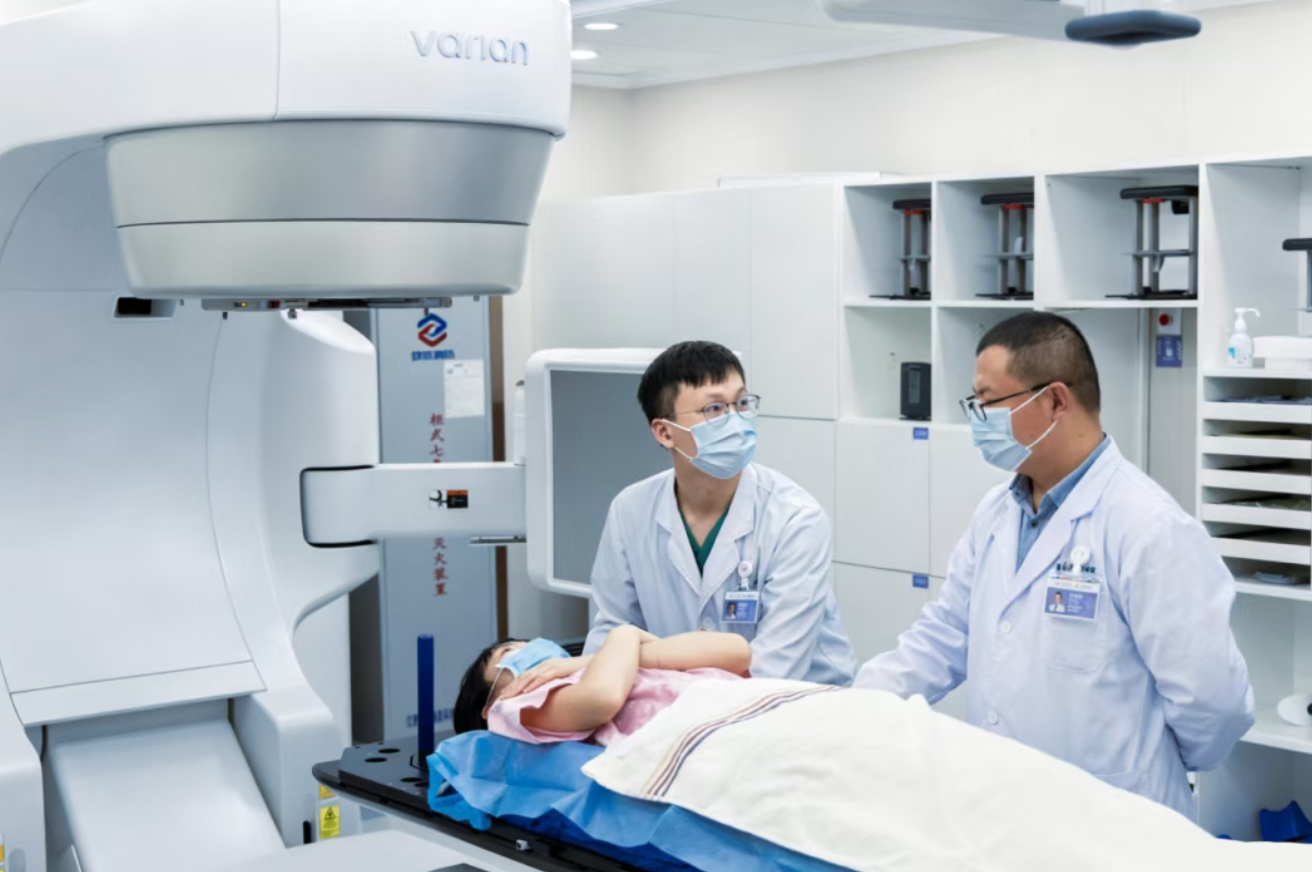
Keigo Higashino spent a lifetime weaving countless mysteries about human nature, yet he could not solve the mystery of his own health.
His passing marks the end of an era and serves as a wake‑up call for all of us: in the face of life, talent and wealth pale into insignificance.
Do not wait until it is too late to regret. A colonoscopy may take only 30 minutes, but it can buy you 5, 10, or even more years of healthy living.
May the master rest in peace, and may everyone safeguard their intestinal health—and not let the "silent killer" steal your future.