2026-07-27
Does pituitary tumor surgery require an incision? Yes, pituitary tumor surgery usually requires a surgical procedure (i.e., an incision), but the specific surgical approach depends on the size, location, and individual condition of the tumor.
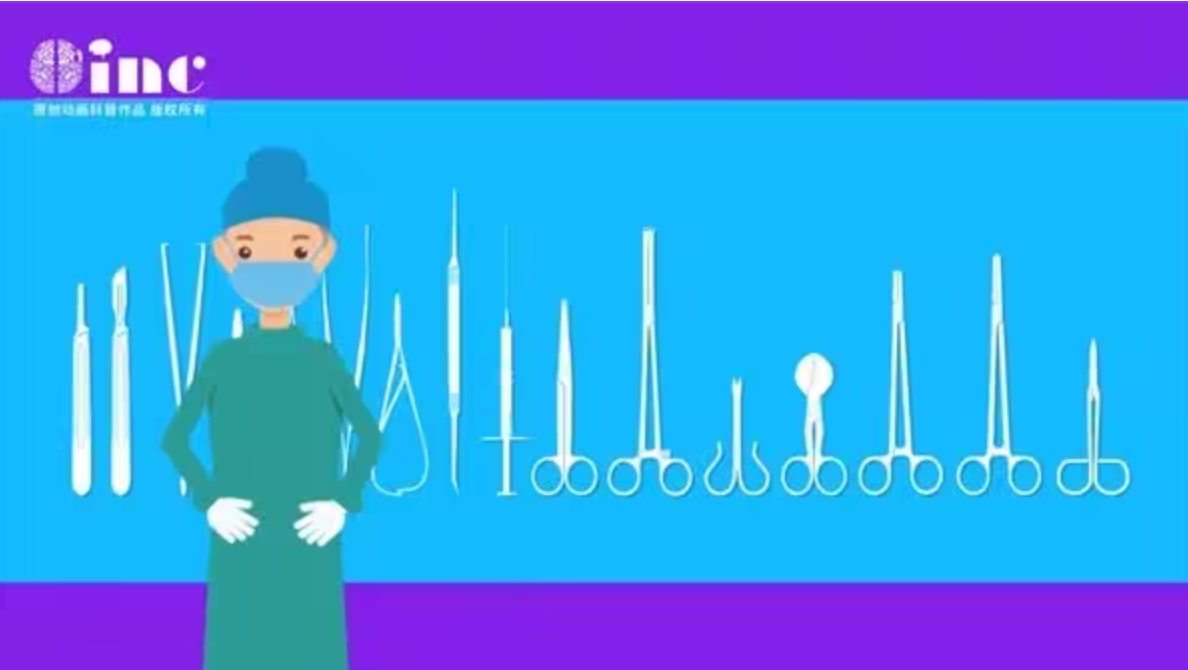
I. Purpose and importance of pituitary tumor surgery
The main purpose of pituitary tumor surgery is to remove the tumor, thereby relieving or eliminating compression on the pituitary gland and surrounding tissues, restoring normal pituitary function, and preventing tumor recurrence. Surgery is of great significance in improving patients' symptoms, enhancing quality of life, and prolonging survival.
II. Main surgical approaches for pituitary tumors
Transsphenoidal microsurgery (endonasal approach): This is one of the most commonly used surgical methods for pituitary tumors. The surgeon accesses the pituitary region through the patient's nostril, using a microscope and specialized instruments, passing through the sphenoid sinus to remove the tumor. This approach is minimally invasive, has a relatively short recovery time, and can preserve pituitary function. It is suitable for the majority of pituitary tumor patients.
Craniotomy (open skull surgery): For large tumors that extend in multiple directions, or for tumors that are difficult to remove via the transsphenoidal route, the surgeon may choose a craniotomy. This procedure requires opening the skull to access the intracranial area for tumor resection. Although this approach is more invasive, it allows for more complete tumor removal and reduces the risk of recurrence.
III. Steps of pituitary tumor surgery
1. Anesthesia and surgical preparation: After the patient receives general anesthesia, the surgical area is disinfected and draped to ensure a sterile operative field.
2. Surgical approach: Depending on the chosen method, the surgeon selects the appropriate approach. For transsphenoidal surgery, the surgeon enters through the nostril; for craniotomy, the surgeon opens the skull to expose the intracranial structures.
3. Tumor resection: Using a microscope and specialized instruments, the surgeon removes the pituitary tumor piece by piece. During this process, every effort is made to protect the surrounding pituitary tissue and neural structures to minimize complications.
4. Hemostasis and closure: While removing the tumor, the surgeon takes measures to control bleeding and repair the incision. For transsphenoidal surgery, the nasal wound is often closed with packing and tape; for craniotomy, the skull bone is replaced and fixed, and the scalp is sutured.
5. Monitoring and recovery: After the procedure, the patient is transferred to the recovery room for monitoring. Doctors and nurses closely observe vital signs and pituitary function to ensure a smooth postoperative course.
IV. Risks and complications of pituitary tumor surgery
Although pituitary tumor surgery is successful in most cases, it still carries certain risks and complications, including:
Bleeding: Intraoperative bleeding may occur; severe cases may require blood transfusion or reoperation.
Infection: The surgical site may become infected, requiring antibiotic treatment.
Cerebrospinal fluid (CSF) leakage: This may occur during transsphenoidal surgery and requires appropriate management.
Pituitary hypofunction: Surgery may affect pituitary function, leading to conditions such as hypothyroidism or adrenal insufficiency.
In summary, pituitary tumor surgery usually requires a surgical procedure (incision), but the specific approach depends on the size, location, and individual patient factors. Before surgery, patients should undergo a comprehensive evaluation, fully understand the risks and complications, and communicate thoroughly with their doctors to develop a personalized surgical plan. After surgery, patients should follow the doctor's instructions for rehabilitation and regular follow‑up to ensure recovery and prevent recurrence.
INC International Neurosurgical Consultant Group
The International Neurosurgical Advisory Network (WANG) under INC comprises many internationally renowned professors with exceptional surgical skills and extensive successful case experience. For example, Professor Sébastien Froelich (France), former Chairman of the Skull Base Surgery Committee of the World Federation of Neurosurgical Societies (WFNS), specializes in endoscopic endonasal skull base tumor resection. He performs minimally invasive neuroendoscopic surgery for complex brain tumors such as chordomas, craniopharyngiomas, and pituitary adenomas. His unique “chopstick” technique for endoscopic surgery not only improves the tumor resection rate but also leads to better prognostic outcomes for patients.
The above text is the complete content regarding “Does pituitary tumor surgery require an incision?” and is provided for informational purposes only. It should not be taken as medical advice. If you would like more information about pituitary tumors, please feel free to contact us. Also, please follow the official INC website and official WeChat account. INC is a physician group focused on academic exchanges among expert professors in the field of neurosurgery. All professors in its academic teams are members of the WFNS and various international neurosurgical organizations, editors‑in‑chief of major neurosurgical journals, and textbook‑level neurosurgical giants who have had surgical approaches and anatomical structures named after them in neurosurgery textbooks.