2026-07-27
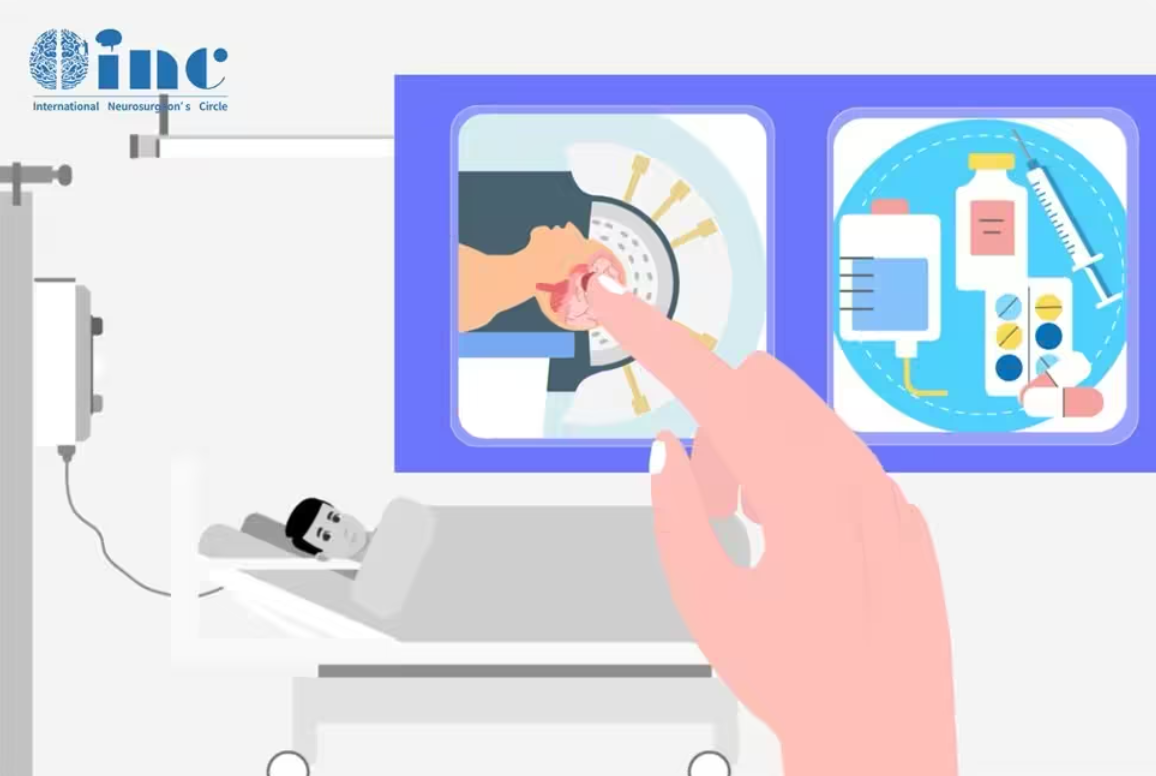
Endoscopic endonasal transsphenoidal pituitary adenoma surgery is a minimally invasive procedure to remove pituitary tumors via the nasal cavity. During surgery, surgeons make a mucosal incision of approximately 1–1.5 cm inside the nose. Under microscopic or endoscopic visualization, adhesions between nasal mucosa and bone are dissected, and partial intranasal bone tissue is removed to fully expose and resect the tumor.
I. Wound Healing Time
Healing duration after transsphenoidal pituitary surgery varies according to individual differences, disease severity, physical constitution and postoperative care. Complete recovery generally takes 1 to 3 months.
If the patient's condition is mild, physical fitness is good, postoperative care is properly implemented and no infection occurs, full recovery usually takes around 1 month. In cases of severe disease, poor physical condition, inadequate postoperative care and secondary infection, complete recovery may require approximately 3 months.
II. Postoperative Wound Pain
General anesthesia eliminates pain during surgery. Nevertheless, patients may experience varying degrees of discomfort and pain in the initial days of postoperative recovery.
Causes of pain
① Nasal mucosal trauma: Injury or partial removal of nasal mucosa leads to nasal congestion, dryness and headache.
② Intranasal packing materials: Materials placed within the nasal cavity and sphenoid sinus for hemostasis and surgical site support may cause compression discomfort and headache.
③ Transient intracranial pressure fluctuation: Surgery may temporarily affect cerebrospinal fluid circulation and trigger headache.
④ Tissue repair: The healing process of the surgical wound can also induce soreness and discomfort.
Timeline for pain relief
Headache and related discomfort are most prominent in the early postoperative phase. Most patients report pain begins to ease within 3–5 days. For some individuals, mild headache may persist for 1–2 weeks, depending on personal conditions, surgical complexity and healing capacity. If postoperative pain is intolerable, physicians will prescribe appropriate analgesics.
III. Key Postoperative Care Guidelines
Proper postoperative care is critical for recovery. Core recommendations are listed below:
1. Rest: Ensure adequate rest and avoid strenuous activities or movements that carry risks of head trauma to relieve discomfort and facilitate wound healing.
2. Diet: Consume liquid and semi-liquid food such as congee and soup in the first few days. Gradually resume regular diet but avoid spicy and irritating food that may irritate the wound.
3. Humidification mask (if prescribed): Wear a mask as instructed to prevent infection and excessive inhalation of dry air; keep the mask clean and dry.
4. Regular follow-up: Attend scheduled hospital reviews to allow physicians to monitor recovery and adjust treatment plans accordingly.
5. Medication adherence: Take prescribed medicines strictly as directed; do not adjust dosages or stop medication arbitrarily.
6. Avoid forceful sneezing and nose-blowing: These actions generate pressure on the surgical site and interfere with wound healing.
7. Wound care: Keep the surgical area clean and dry to prevent contamination. Change dressings under medical guidance. Seek immediate medical attention if redness, severe pain or discharge occurs.
8. Head protection: Avoid full bathing; wipe the body with warm water instead. Prevent external impact to the head which may damage the surgical region.
Summary
Transsphenoidal pituitary adenoma surgery is a minimally invasive technique with limited tissue trauma, yet standardized postoperative care remains essential. Patients should follow medical guidance regarding rest, diet, mask use, follow-up appointments and medication. Actions such as forceful sneezing and nose-blowing must be avoided to protect the surgical site. Proper wound hygiene and infection prevention enable faster recovery and an earlier return to daily life.
The World Neurosurgery Advisory Group (WANG) under International Neurosurgeon's Circle (INC) brings together numerous globally distinguished neurosurgical professors with outstanding operative skills and extensive clinical experience. One renowned expert is Professor Sebastien Froelich from France, former Chairman of the Skull Base Surgery Committee of the World Federation of Neurosurgical Societies (WFNS). He specializes in endoscopic endonasal resection of skull base tumors and performs minimally invasive endoscopic surgery for complex intracranial lesions including chordomas, craniopharyngiomas and pituitary adenomas. His innovative endoscopic Chopstick Technique not only improves gross total tumor resection rates but also delivers superior long-term prognosis for patients.
The above content regarding incision size in transsphenoidal pituitary adenoma surgery serves purely for reference and shall not be regarded as medical guidance. If you wish to learn more about pituitary adenomas, please contact us and follow INC's official website and social media accounts. International Neurosurgeon's Circle (INC) is an academic physician group dedicated to neurosurgical exchange. Its panel professors are members of WFNS and other international neurosurgical societies, editors of leading global neurosurgery journals, and authoritative neurosurgical pioneers after whom surgical approaches and anatomical structures are named in neurosurgical textbooks.