2026-07-27
Endoscopic endonasal transsphenoidal surgery has become the mainstream minimally invasive approach for pituitary adenomas with proven safety profile. Nevertheless, like all surgical procedures, potential intraoperative risks and postoperative long-term sequelae remain.
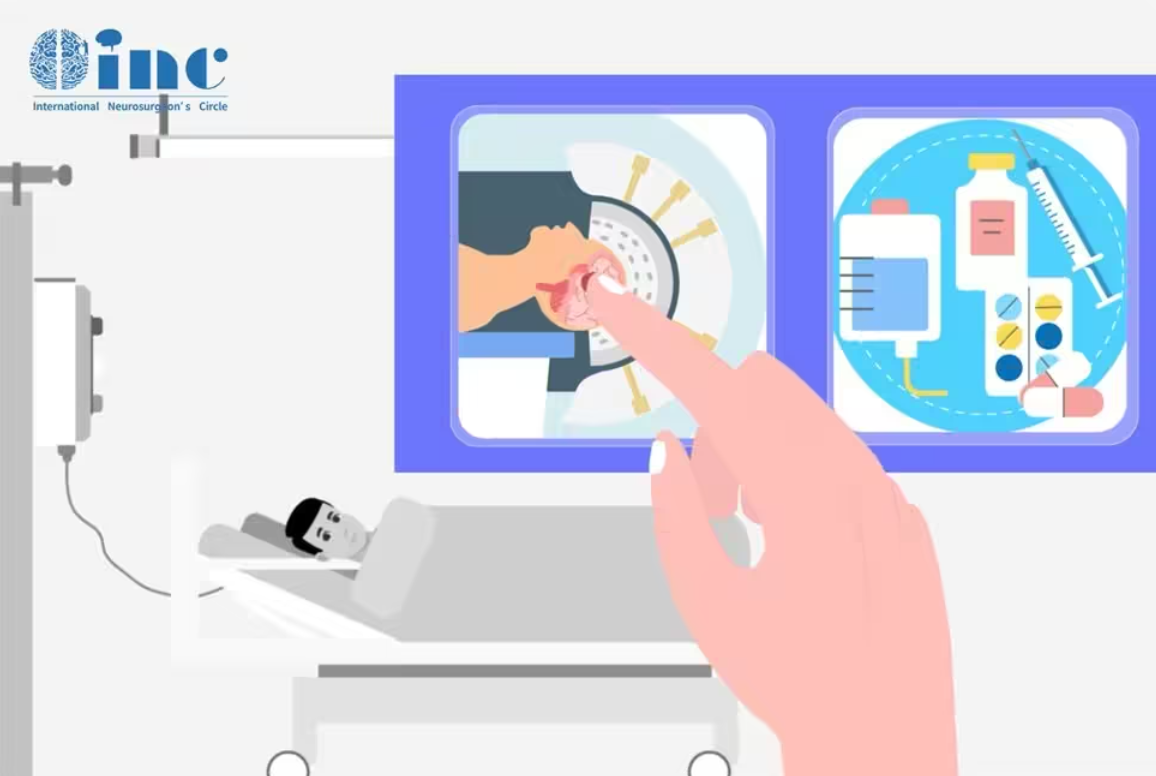
I. Possible Sequelae and Severity
1. Endocrine dysfunction (most common)
Surgical manipulation may temporarily or permanently damage normal pituitary parenchyma, leading to abnormal secretion of GH, TSH, ACTH, PRL, gonadotropins.
Manifestations: persistent fatigue, unstable body weight, hypogonadism, osteoporosis.
Severity ranges from mild discomfort to life-threatening adrenal crisis. Long-term endocrinology follow-up and hormone replacement therapy are required when indicated.
2. Cerebrospinal fluid (CSF) rhinorrhea
Damage to the dura mater during resection creates a communication between intracranial cavity and nasal cavity, presenting as clear watery nasal discharge.
Untreated CSF leak significantly raises the risk of bacterial meningitis. Mild cases can be managed conservatively with bed rest and head elevation; persistent severe leaks require secondary surgical dural repair.
3. Nasal mucosal injury
The surgical corridor passes through the nasal cavity, frequently causing mucosal trauma. Typical symptoms: nasal congestion, recurrent epistaxis, sinusitis. Most lesions heal spontaneously within weeks to months; some patients require nasal medication and local care.
4. Visual impairment
Although the primary surgical goal is to relieve optic nerve compression from tumor mass effect, intraoperative traction, ischemia or direct injury to the optic apparatus may cause visual blurring, visual field defects or even permanent vision loss. Outcomes depend on the degree of neural damage.
5. Diabetes insipidus
Transient or permanent injury to the posterior pituitary disrupts antidiuretic hormone (ADH) secretion. Patients suffer polyuria and polydipsia. Timely fluid supplementation and desmopressin therapy are essential. Many cases resolve within weeks, while a minority become permanent.
6. Central nervous system infection (rare but critical)
Meningitis or intracranial abscess can occur secondary to CSF leak. Requires urgent, targeted intravenous antibiotic treatment to avoid severe neurological sequelae.
II. Causes of Sequelae
Incidence is determined by surgical precision, tumor size, location, invasiveness (Knosp grade), histological subtype, and the patient’s baseline physical condition.
For example, tumors tightly adjacent to the optic chiasm carry higher visual injury risk; extensive dissection near intact pituitary tissue increases the chance of permanent hypopituitarism.
III. Will multiple sequelae occur simultaneously?
Not usually. Most patients develop only one or mild transient complications. However, concurrent complications cannot be completely excluded. Preoperative full risk counseling allows patients adequate psychological preparation.
IV. Standard Management Strategies
1. Endocrine dysfunction: Regular endocrine blood tests; initiate individualized hormone replacement as required.
2. CSF rhinorrhea: Conservative management for mild leaks; surgical repair for persistent high-flow leaks.
3. Nasal mucosal injury: Maintain nasal moisture; avoid forceful nose blowing, hard straining; topical nasal medication if needed.
4. Visual dysfunction: Serial ophthalmology and perimetry examination; combined neuro-ophthalmology intervention for severe injury.
5. Diabetes insipidus: Strict fluid balance monitoring, adequate water intake, drug regulation.
6. Intracranial infection: Emergency broad-spectrum antibiotics and comprehensive supportive care.
Summary
Endoscopic minimally invasive pituitary surgery is an effective treatment option with measurable risks of sequelae. The probability and severity of adverse outcomes can be greatly reduced through adequate preoperative evaluation, selection of high-volume experienced neurosurgeons, standardized perioperative management and long-term regular follow-up.
Patients should maintain close communication with the multidisciplinary team (neurosurgery + endocrinology + ophthalmology) and strictly follow follow-up schedules to optimize recovery.
Expert Introduction
Professor Sebastien Froelich, former Chairman of the WFNS Skull Base Surgery Committee and core member of INC World Neurosurgery Advisory Group, specializes in endoscopic endonasal minimally invasive resection of skull base tumors including pituitary adenomas, chordomas and craniopharyngiomas. His pioneering endoscopic chopstick technique improves gross total resection rates and effectively lowers the incidence of postoperative complications, delivering superior long-term functional outcomes for patients with complex sellar lesions.
This article is for popular science reference only and shall not replace formal personalized clinical diagnosis and treatment guidance. Please consult specialized neurosurgeons and endocrinologists for individualized treatment plans.