2026-07-24
Prolactinoma, as a type of pituitary adenoma, is a hypothalamic‑pituitary disorder usually caused by excessive prolactin secretion from a pituitary prolactin‑secreting tumor.
Will prolactinoma be inherited by the next generation?
I. Whether Prolactinoma Is Inherited by Offspring
Prolactinoma generally does not inherit to the next generation. Pituitary prolactinoma is a benign, sporadic, acquired tumor. In most cases, it has no hereditary factors or related gene mutations, so it cannot be defined as a genetic disease. However, although genetic factors are not the primary cause, certain hereditary diseases or syndromes may increase the risk of developing prolactinoma. For example, some patients with multiple endocrine neoplasia (MEN) syndromes, due to specific gene mutations, may have an increased risk of prolactinoma. Nevertheless, such cases are relatively rare and need to be confirmed by specific genetic testing.
II. How to Diagnose Prolactinoma
1. Medical History and Symptom Inquiry
Patients usually need to provide their medical history and symptoms, such as menstrual abnormalities, breast galactorrhea, decreased libido, vaginal dryness, etc. These symptoms are common clinical manifestations of prolactinoma and help the physician make a preliminary judgment.
2. Imaging Examinations
Imaging studies are important diagnostic tools for prolactinoma, including magnetic resonance imaging (MRI) and computed tomography (CT). These examinations help determine the location, size, and shape of the tumor, thereby guiding appropriate treatment planning.
3. Blood Tests
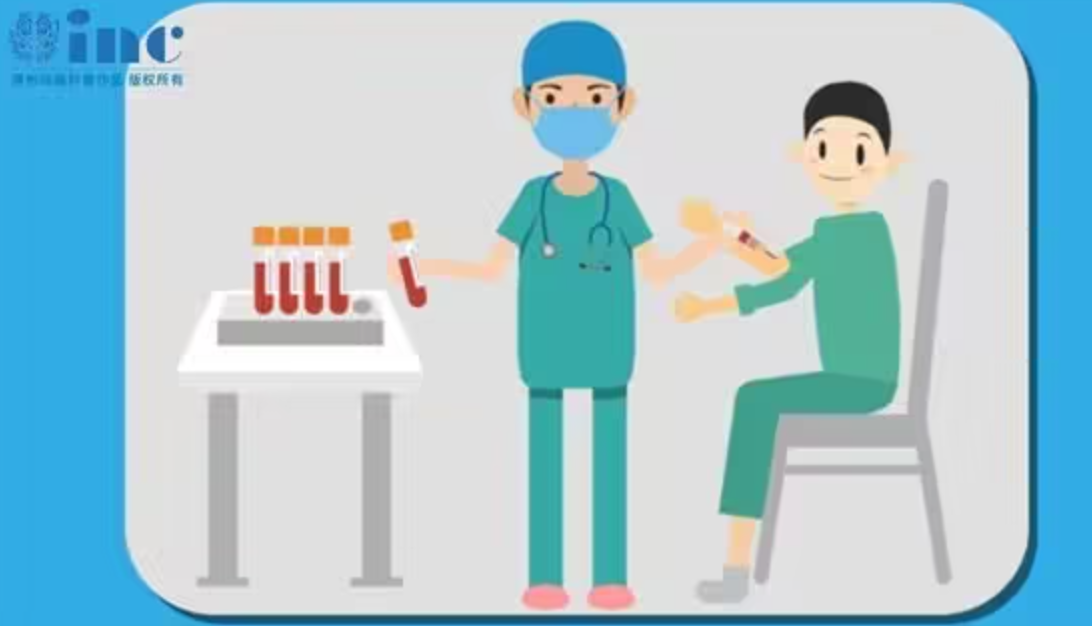
Blood tests mainly measure prolactin levels in the blood. Abnormally high prolactin levels may suggest the presence of a prolactinoma. In addition, other hormone levels may be tested to assess pituitary function.
4. Visual Field Examination
The pituitary tumor may compress the optic nerve, leading to visual field defects. Therefore, visual acuity and visual field examinations are usually performed to evaluate whether vision has been affected.
5. Neuroimaging Examinations
Further neuroimaging tests, such as optic nerve angiography or optic nerve electrophysiology, may be used to assess whether the optic nerve is compressed or damaged by the tumor.
6. Genetic Counseling and Testing
For individuals with a family history, genetic counseling and specific gene tests (e.g., MEN1 gene analysis) can help assess hereditary risk.
III. How to Prevent Prolactinoma
1. Lifestyle Modifications
A healthy lifestyle may help reduce the risk of pituitary adenomas. It is recommended to maintain a low‑fat, high‑fiber balanced diet and engage in at least 150 minutes of moderate‑intensity exercise per week. In addition, avoiding excessive alcohol consumption and smoking are also helpful in preventing prolactinoma.
2. Avoid Stressful Events
Stress responses can cause transient elevation of prolactin levels, and chronic stress may increase the risk of pituitary adenomas. Therefore, relaxation techniques such as meditation and deep breathing are recommended to reduce stress.
3. Regular Check‑ups
Regular physical examinations are helpful for early detection of pituitary adenomas and other potential diseases. It is recommended to have a comprehensive health check‑up at least once a year, including imaging studies such as cranial MRI.
4. Medical Therapy
For patients with already elevated prolactin levels, medications may be prescribed under the guidance of a physician to control prolactin secretion and thus manage the condition. However, it is important to note that medication should be used only under medical supervision and not self‑administered.
Will prolactinoma be inherited by the next generation?
In summary, prolactinoma usually does not inherit to offspring, but certain hereditary diseases or syndromes may increase the risk. The diagnosis of prolactinoma can be made through medical history inquiry, imaging studies, blood tests, and other means. To prevent prolactinoma, it is advisable to maintain a healthy lifestyle, avoid stressful events, undergo regular check‑ups, and use medications appropriately. Although specific preventive measures for prolactinoma are limited, early detection and treatment are key to alleviating symptoms and improving prognosis. For individuals with genetic risk, regular medical monitoring and lifestyle adjustments may help reduce the risk of developing the disease.
Note: INC International Neurosurgeon Circle's International Neurosurgical Advisory Group (WANG) includes many internationally renowned professors with superb surgical skills and extensive successful case experience, such as Professor Sébastien Froelich (France), former Chairman of the Skull Base Surgery Committee of the World Federation of Neurosurgical Societies (WFNS). He specializes in endoscopic endonasal resection of skull base tumors, performing minimally invasive surgeries via neuroendoscopy for complex brain tumors including chordomas, craniopharyngiomas, and pituitary adenomas. His "chopsticks" technique in endoscopic surgery not only improves the tumor resection rate but also leads to better prognoses for tumor patients.
The above full text is for reference only and does not constitute medical advice. For more information about pituitary adenomas, please contact us. Also, please follow INC's official website and official public accounts. INC International Neurosurgeon Circle is a physician group dedicated to academic exchanges among professors specializing in neurosurgery. The professors on its various academic teams are members of the World Federation of Neurosurgical Societies (WFNS) and various international neurosurgical academic organizations, editors‑in‑chief of major international neurosurgical journals, and textbook‑level neurosurgical giants whose names are associated with surgical approaches and anatomical structures in neurosurgery textbooks.