2026-07-24
Cerebrospinal fluid (CSF) rhinorrhea is one of the more common complications after pituitary adenoma surgery, especially following the transsphenoidal approach. CSF rhinorrhea not only affects the patient's quality of life but may also pose serious health risks, such as intracranial infection. Understanding its mechanism, risk factors, clinical manifestations, and proper management is crucial for postoperative recovery.
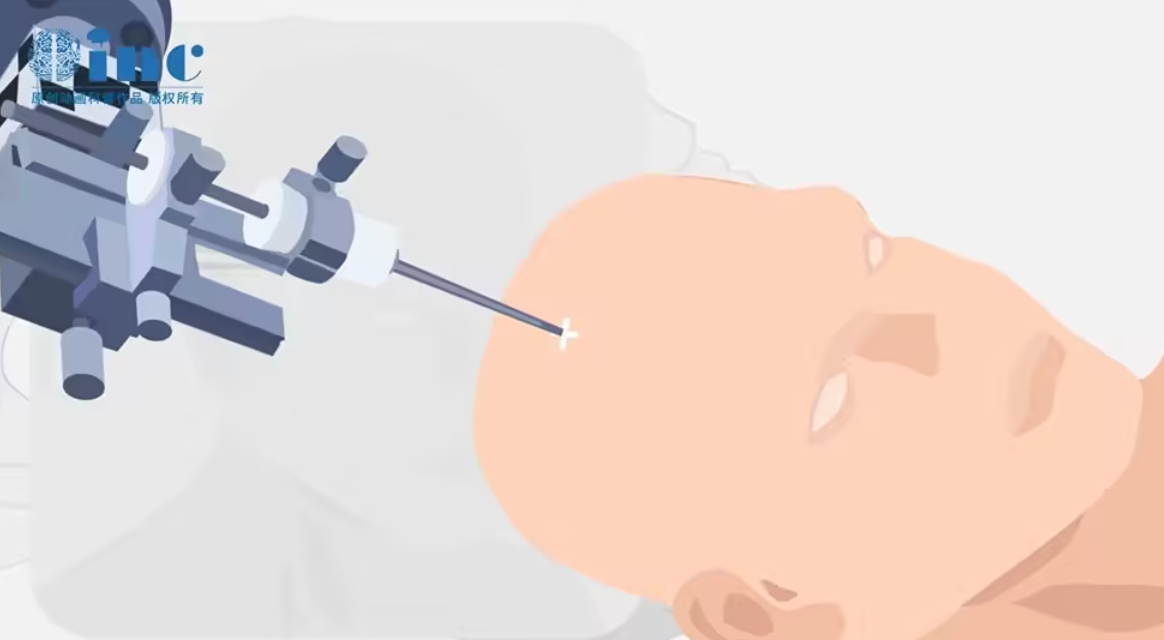
Is the probability of CSF leakage after pituitary adenoma surgery high? Is it life‑threatening?
I. Probability and Causes
The probability of CSF leakage after pituitary adenoma surgery is influenced by multiple factors, including tumor size, location, surgical technique, and individual patient differences, and there is no specific numerical value. Specifically:
1. Tumor Size and Invasiveness
Larger or more invasive pituitary adenomas are more likely to cause CSF leakage during or after surgery, as they are more prone to damage or penetrate the diaphragma sellae and the sphenoid sinus wall.
2. Surgical Approach
Transsphenoidal surgery (via the nasal cavity and sphenoid sinus to reach the pituitary) is more likely to cause CSF leakage than transcranial surgery (directly through the cranium), because the former requires traversing the nasal cavity and sphenoid sinus—regions with complex anatomy that are intimately connected to the natural barriers of the skull base.
3. Surgical Manipulation
Intraoperative injury to the sellar floor or the sphenoid sinus wall, as well as inadequate reconstruction and packing of the sellar floor, can lead to CSF leakage.
4. Postoperative Management
Improper postoperative care, such as early mobilization, straining during defecation, or coughing, may increase intracranial pressure and exacerbate CSF leakage.
II. Life‑Threatening Risks
If CSF rhinorrhea after pituitary adenoma surgery is not managed promptly, it may lead to the following serious consequences:
1. Intracranial Infection
Communication between the CSF and the external environment increases the risk of bacterial, viral, and other pathogen invasion into the cranial cavity, which may result in meningitis or brain abscess, and in severe cases may be life‑threatening.
2. Changes in Intracranial Pressure
Continuous loss of CSF may cause instability of intracranial pressure, thereby affecting brain function.
3. Neurological Dysfunction
Obstruction of CSF circulation may affect nutrient supply and waste elimination in brain tissue, leading to neurological impairment.
III. Proper Management
Once CSF rhinorrhea after pituitary adenoma surgery is suspected or confirmed, the following steps should be taken:
1. Close Observation
Assess the rate and volume of CSF leakage and monitor the patient for signs of intracranial infection, such as fever, headache, and nuchal rigidity.
2. Conservative Treatment
Mild CSF leakage may heal spontaneously with conservative measures, including bed rest, head elevation, fluid restriction, avoidance of forceful coughing or sneezing, and prophylactic antibiotics.
3. Lumbar Drainage
For moderate to severe CSF leakage, lumbar drainage may be required to reduce intracranial pressure and promote natural healing of the fistula.
4. Surgical Intervention
If conservative treatment fails or the leakage persists severely, reoperation may be necessary to close the fistula by repairing or reconstructing the sellar floor and sphenoid sinus wall.
5. Nursing Care
Keep the nasal cavity clean and avoid nasal irrigation or insertion of objects to prevent the spread of infection.
Is the probability of CSF leakage after pituitary adenoma surgery high? Is it life‑threatening?
CSF rhinorrhea after pituitary adenoma surgery is a complication that requires careful attention. Its probability is influenced by multiple factors, and it may pose a threat to the patient's life if not properly managed. Correct management involves close clinical observation, timely conservative treatment or surgical intervention, and appropriate nursing care. Patients and their families should work closely with the medical team and follow medical advice to promote good recovery outcomes.
Note: INC International Neurosurgeon Circle's International Neurosurgical Advisory Group (WANG) includes many internationally renowned professors with superb surgical skills and extensive successful case experience, such as Professor Sébastien Froelich (France), former Chairman of the Skull Base Surgery Committee of the World Federation of Neurosurgical Societies (WFNS). He specializes in endoscopic endonasal resection of skull base tumors, performing minimally invasive surgeries via neuroendoscopy for complex brain tumors including chordomas, craniopharyngiomas, and pituitary adenomas. His "chopsticks" technique in endoscopic surgery not only improves the tumor resection rate but also leads to better prognoses for tumor patients.
The above full text is for reference only and does not constitute medical advice. For more information about pituitary adenomas, please contact us. Also, please follow INC's official website and official public accounts. As a bridge connecting neurosurgical experts between China and other countries, INC International Neurosurgeon Circle has, in recent years, organized visits by international professors to China for academic exchanges, technological discussions, and high‑difficulty surgeries; it has also cooperated with multiple domestic hospitals to promote the common development of neurosurgery both domestically and internationally, providing more new treatment options for neurosurgical patients worldwide.