2026-07-23
Pituitary adenomas are not uncommon in the elderly and are generally considered a serious health concern. However, their severity and prognosis depend largely on the type, size, location of the tumor, and the patient's overall health status. A pituitary adenoma is a tumor arising from cells in the pituitary gland at the base of the brain. Although most pituitary tumors are benign, they can still have significant health impacts.
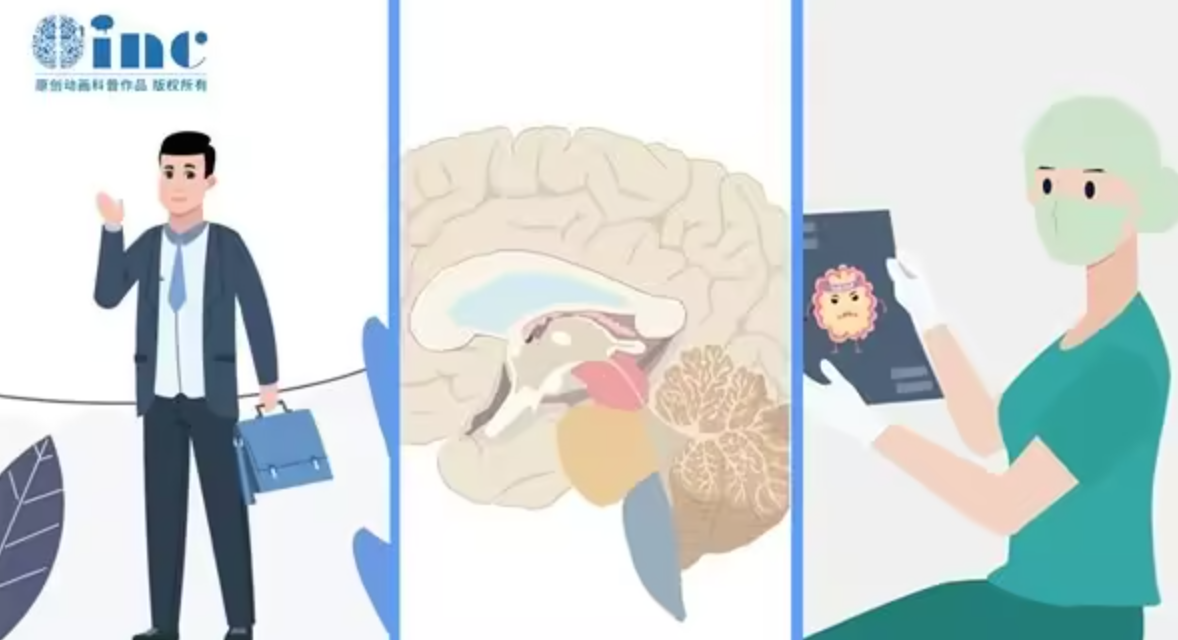
Is Pituitary Adenoma in the Elderly Serious? How Long Can They Live?
I. Classification of Pituitary Adenomas
Pituitary adenomas can be divided into functional and non‑functional types. Functional pituitary adenomas oversecrete one or more pituitary hormones, whereas non‑functional adenomas do not produce excess hormones. However, as they enlarge, non‑functional tumors may compress normal pituitary tissue and other important structures, such as the optic chiasm.
II. Severity of Pituitary Adenoma in the Elderly
1. Symptoms: Elderly patients with pituitary adenoma may present with visual problems (e.g., visual field defects), headaches, endocrine disturbances (such as weight changes, hypogonadism, and galactorrhea in prolactinomas), and cognitive decline. These symptoms can significantly impair quality of life.
2. Complications: Enlargement of the adenoma may cause hypopituitarism (pituitary insufficiency), which may require hormone replacement therapy. Furthermore, compression of the optic chiasm can lead to irreversible visual damage.
III. Treatment Options
Treatment modalities for pituitary adenoma mainly include surgery, radiotherapy, and medical therapy. In elderly patients, surgical risks may be increased due to coexisting health issues, so treatment decisions must be made with comprehensive consideration.
1. Surgery: For most pituitary adenomas, especially functional ones, surgery is the preferred treatment. Endoscopic transsphenoidal surgery is a minimally invasive technique that reduces damage to brain tissue and often allows complete tumor resection.
2. Radiotherapy: For patients who are not surgical candidates or who have residual tumor after surgery, radiotherapy is a viable option. Modern techniques such as Gamma Knife or proton therapy can precisely target the tumor while minimizing damage to surrounding tissues.
3. Medical Therapy: Certain types of pituitary adenomas, such as prolactinomas, respond well to medication, which can control hormone levels and sometimes shrink the tumor.
IV. Survival and Prognosis
Most patients with pituitary adenoma, including the elderly, can expect a near‑normal life expectancy if appropriately treated. Treatment is typically aimed at controlling symptoms, restoring hormonal balance, and preventing complications. For completely resected tumors, the risk of recurrence is low, and patients can maintain a good quality of life.
However, for those who are not suitable for aggressive treatment due to tumor location, age, or overall health, the prognosis may be poorer. In such cases, the focus may shift to symptom management and improving quality of life.
Is Pituitary Adenoma in the Elderly Serious? How Long Can They Live?
The severity of pituitary adenoma in the elderly depends on multiple factors, including tumor characteristics, the patient's health status, and whether timely and appropriate treatment is received. For the majority of patients, modern medical approaches can effectively manage pituitary adenomas, allowing them to lead a near‑normal life. Importantly, once relevant symptoms appear, patients should seek medical evaluation promptly so that an individualized treatment plan can be developed. Throughout the treatment process, patients and their families should work closely with the medical team to ensure optimal care and support.
Note: INC International Neurosurgeon Circle's International Neurosurgical Advisory Group (WANG) includes many internationally renowned professors with superb surgical skills and extensive successful case experience, such as Professor Sébastien Froelich (France), former Chairman of the Skull Base Surgery Committee of the World Federation of Neurosurgical Societies (WFNS). He specializes in endoscopic endonasal resection of skull base tumors, performing minimally invasive surgeries via neuroendoscopy for complex brain tumors including chordomas, craniopharyngiomas, and pituitary adenomas. His "chopsticks" technique in endoscopic surgery not only improves the tumor resection rate but also leads to better prognoses for tumor patients.
The above full text, "Is Pituitary Adenoma in the Elderly Serious? How Long Can They Live?", is for reference only and does not constitute medical advice. For more information about pituitary adenomas, please contact us. The INC International Neurosurgical Advisory Group is a physician consortium composed of neurosurgery professors from developed countries around the world; each member professor has made significant contributions to international neurosurgery in their respective fields. For patients with brain tumors or cerebrovascular diseases in complex locations such as the brainstem, thalamus, corpus callosum, spinal cord, or pineal region who seek higher‑quality and more extensive safe surgical resection options internationally, remote consultations with INC international professors are available.