2026-07-22
As a cutting‑edge treatment modality, minimally invasive surgery for pituitary adenoma raises two major concerns for patients: the safety of the procedure and the speed of recovery.
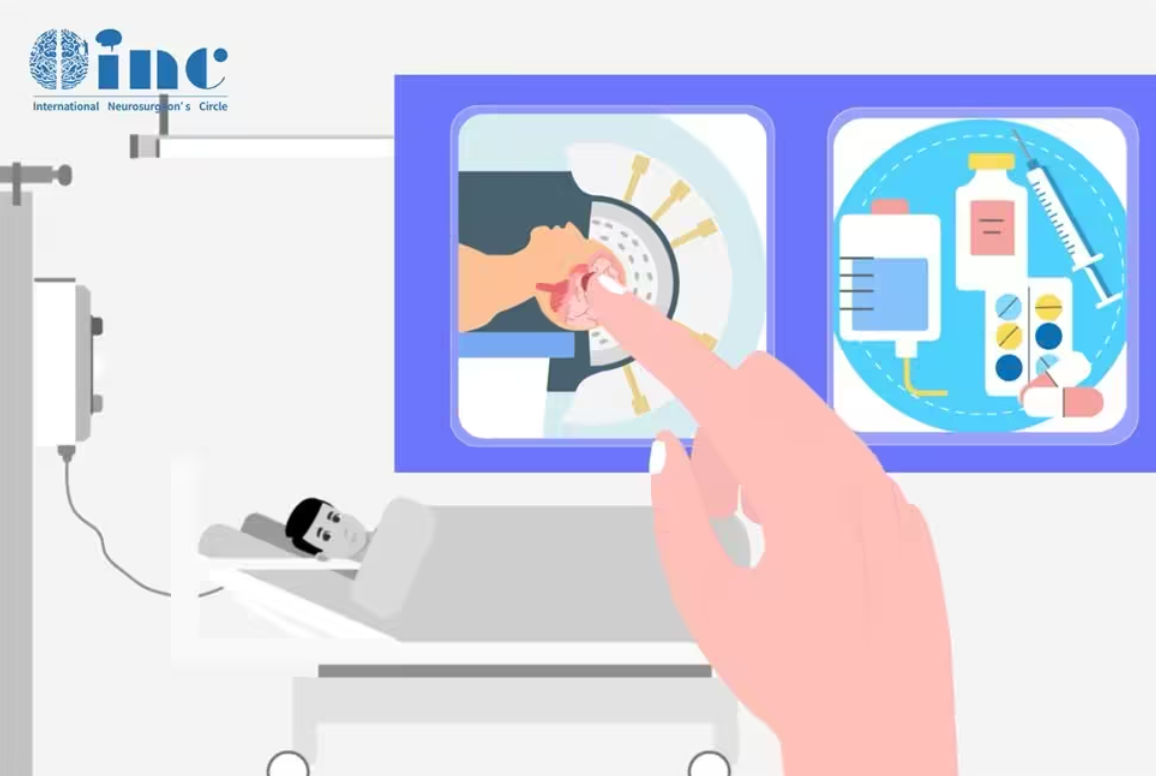
I. Overview of Minimally Invasive Surgery for Pituitary Adenoma
Minimally invasive surgery for pituitary adenoma is performed through small incisions to access the intracranial cavity, using advanced instruments such as endoscopes to precisely resect the tumor. Compared with traditional open craniotomy, this approach offers advantages including less trauma, reduced bleeding, and faster recovery, and has thus become the mainstream choice for treating pituitary adenomas.
II. The Critical Period After Minimally Invasive Surgery
The critical period after minimally invasive surgery for pituitary adenoma generally refers to the first 48 hours postoperatively. This is the time when complications and unexpected events are most likely to occur. During this period, the patient requires close observation of changes in their condition so that any emerging problems can be promptly detected and managed.
1. Hemorrhage and Hematoma
Postoperative bleeding or hematoma formation may occur, and in severe cases can lead to elevated intracranial pressure, which is life‑threatening. Therefore, careful monitoring of the patient's level of consciousness, pupillary responses, and limb movements is essential to detect abnormalities early and intervene promptly.
2. Intracranial Infection
If wound care is inadequate or the patient's immune status is compromised, intracranial infection may develop after surgery. Manifestations include fever, headache, nausea, and vomiting; severe cases may progress to meningitis or brain abscess. Hence, it is important to keep the surgical wound clean and dry to prevent infection.
3. Water‑Electrolyte Imbalance
Patients with pituitary adenoma often have pre‑existing water‑electrolyte disturbances, which may worsen after surgery. Such imbalances present as hyponatremia, hypokalemia, and related symptoms; severe disturbances can affect neurological function and vital signs. Consequently, close postoperative monitoring of serum electrolyte levels and timely adjustment of treatment are necessary.
4. Hypopituitarism
Surgery may injure pituitary tissue, leading to hypopituitarism. This condition manifests as deficiencies in endocrine, thyroid, and adrenal functions, and in severe cases may affect the patient's quality of life and prognosis. Therefore, postoperative monitoring of pituitary function and timely hormone replacement therapy are required.
III. Discharge Time After Minimally Invasive Surgery
The discharge time after minimally invasive surgery for pituitary adenoma varies depending on the patient's individual condition, generally ranging from 7 to 14 days. Before discharge, the patient must meet the following criteria:
1. Good Wound Healing
The surgical wound requires a period of healing. Before discharge, the physician will examine the wound to ensure there is no redness, swelling, discharge, or other abnormalities.
2. No Significant Complications
Some complications, such as bleeding or infection, may arise after surgery. Prior to discharge, the physician will assess whether the patient has any major complications and confirm that the condition is stable.
3. Ability to Perform Basic Self‑Care
Patients need a period of recovery after surgery. Before discharge, the physician will evaluate whether the patient can manage basic daily activities, including eating, washing, and walking.
4. Accompanying Family Member
After minimally invasive surgery, patients require assistance. Before discharge, the patient should arrange for a family member to accompany them and provide care at home.
It is important to note that discharge does not mean full recovery. After leaving the hospital, patients should continue to monitor their condition, follow the prescribed rehabilitation exercises, and attend follow‑up appointments. At the same time, maintaining good lifestyle habits and a positive mindset is essential to promote physical recovery and prevent recurrence.
How many days does the critical period last after minimally invasive surgery for pituitary adenoma? How soon can the patient be discharged?
In summary, both the critical period and the discharge time after minimally invasive surgery for pituitary adenoma depend on the patient's specific situation. Before surgery, patients should fully understand the risks and precautions, and after surgery they should cooperate with the medical team's treatment and rehabilitation plan to ensure a timely recovery. At the same time, hospitals should strengthen postoperative management and follow‑up, promptly identifying and addressing any problems that arise, so as to provide robust support for the patient's recovery.
INC International Neurosurgeon Circle's International Neurosurgical Advisory Group (WANG) includes many internationally renowned professors with superb surgical skills and extensive successful case experience, such as Professor Sébastien Froelich (France), former Chairman of the Skull Base Surgery Committee of the World Federation of Neurosurgical Societies (WFNS). He specializes in endoscopic endonasal resection of skull base tumors, performing minimally invasive surgeries via neuroendoscopy for complex brain tumors including chordomas, craniopharyngiomas, and pituitary adenomas. His "chopsticks" technique in endoscopic surgery not only improves the tumor resection rate but also leads to better prognoses for tumor patients.
The above full text is for reference only and does not constitute medical advice. For more information about pituitary adenomas, please contact us. Also, please follow INC's official website and official public accounts. As a bridge connecting neurosurgical experts between China and other countries, INC International Neurosurgeon Circle has, in recent years, organized visits by international professors to China for academic exchanges, technological discussions, and high‑difficulty surgeries; it has also cooperated with multiple domestic hospitals to promote the common development of neurosurgery both domestically and internationally, providing more new treatment options for neurosurgical patients worldwide.