2026-07-20
Pituitary adenomas are benign intracranial tumors with relatively low mortality risk. However, the pituitary gland acts as the master gland governing the entire human endocrine system. Tumor formation in the pituitary disrupts systemic hormonal balance and impairs growth, physical development, reproduction and metabolism. Clinical manifestations include altered facial features, acromegaly, weight gain and disfigurement; female patients may develop amenorrhea and infertility. Timely intervention is essential once pituitary adenoma is identified. Below we elaborate on prognosis and therapeutic options for early pituitary adenomas.
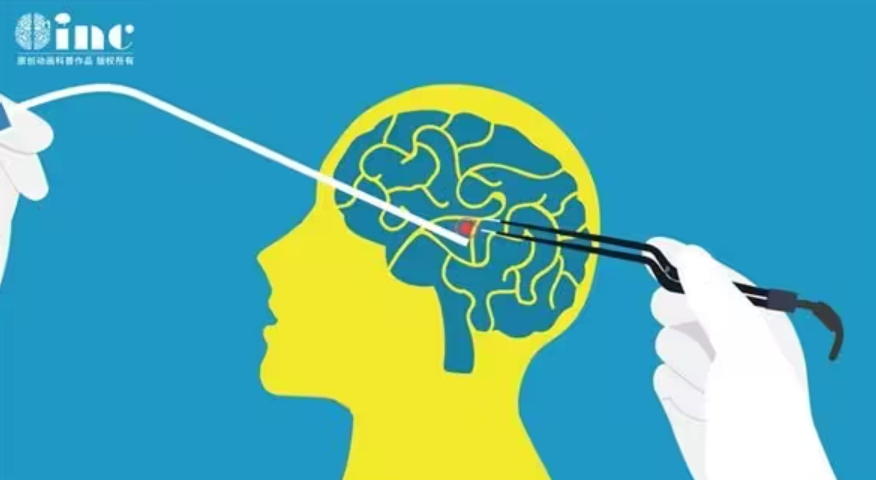
Can Early-Stage Pituitary Adenomas Be Cured? What Treatments Are Available?
Early pituitary adenomas have an excellent therapeutic prognosis. Unfortunately, early lesions usually present minimal, vague symptoms, so most patients fail to detect them at an early phase. Three core treatment modalities are clinically available: surgery, medication and radiotherapy.
1. Surgical Treatment
Surgical resection is the primary therapy for pituitary adenomas regardless of disease stage. Gross total resection rate is the decisive factor affecting long-term prognosis—higher resection rates correspond to lower recurrence risk. Surgeon experience is critical; inexperienced operators may accidentally resect intact normal pituitary parenchyma during over-dissection, triggering permanent hypopituitarism that compromises daily function and quality of life.
Surgical corridors are individualized based on tumor location, morphology and invasive extension, divided into two mainstream categories: transcranial microsurgery and endoscopic transsphenoidal minimally invasive surgery.
(1) Microsurgical Craniotomy
A classic, long-established neurosurgical technique widely mastered by neurosurgeons worldwide. Operating microscopes deliver magnified, stereoscopic visualization of delicate anatomical structures invisible to the naked eye, enabling precise dissection, incision and suturing.
Common microsurgical corridors: subfrontal, pterional (frontotemporal) and subtemporal approaches, with subfrontal and pterional corridors most frequently utilized.
World-renowned experts in pituitary microsurgery: Professor Helmut Bertalanffy and Professor Henry W.S. Schroeder, both German neurosurgical authorities. German microsurgical skull base surgery enjoys a global reputation. Both specialists integrate cutting-edge adjunctive tools including neuronavigation, intraoperative neurophysiological monitoring, DTI and intraoperative MRI to perform high-precision, three-dimensionally visualized microsurgery. They maximize radical tumor debulking while rigorously safeguarding adjacent cranial nerves, ensuring superior postoperative quality of life. Their pituitary adenoma series consistently achieves gross total resection rates exceeding 90%, far above the international average.
German medical care combines world-class clinical expertise and premium patient services at relatively affordable costs—major cranial base operations cost only one-third of equivalent procedures in the United States, making Germany a top overseas treatment destination for eligible patients. For Chinese patients, Professor Bertalanffy accepts consultations and surgeries at the International Neuroscience Institute (INI) in Hannover, Germany. He has also performed live demonstration surgeries with real-time streaming at major Chinese hospitals including Beijing Tiantan Hospital, Ruijin Hospital and West China Hospital for local neurosurgeons’ academic training.
(2) Neuroendoscopic Surgery
A landmark minimally invasive modern surgical technique that eliminates the need for craniotomy. Endoscopy delivers full panoramic visualization free of blind spots, enabling complete resection of invasive pituitary adenomas (IPA) and giant pituitary macroadenomas via transsphenoidal corridors.
Common endoscopic corridors: transnaso-sphenoidal, endonasal transsphenoidal and transethmoidal-sphenoidal approaches, all widely adopted clinically.
Endoscopic transsphenoidal surgery has gained popularity over the past decade yet demands extreme technical proficiency and coordinated teamwork between two surgeons, limiting the number of highly skilled operators globally. Professor Sebastien Froelich, Chair of Neurosurgery at Hôpital Lariboisière in Paris, pioneered the revolutionary chopstick technique, a milestone innovation that allows single-surgeon independent endoscopic manipulation and dramatically simplifies intraoperative coordination challenges.
2. Pharmacological Therapy
Bromocriptine: A dopamine agonist that stimulates hypothalamic secretion of prolactin-inhibiting factor to suppress PRL release, directly binding pituitary dopamine receptors to normalize prolactin levels; it also partially inhibits growth hormone (GH) secretion.
Octreotide: A selective somatostatin analog that suppresses GH synthesis and secretion. It restores normal GH levels in two-thirds of acromegaly patients and induces measurable tumor shrinkage. It also yields therapeutic benefits for TSH-secreting adenomas and gonadotropin-secreting adenomas.
3. Radiation Therapy
High-dose external beam radiotherapy is indicated for infiltrative tumors that breach the tumor capsule and invade adjacent neurovascular structures, often administered as adjuvant therapy postoperatively. Stereotactic radiosurgery (Gamma Knife / Linear Accelerator X-knife) may be used as monotherapy or adjuvant salvage treatment for residual pituitary adenomas.
Overseas Neurosurgical Treatment: Extra Opportunities for Better Outcomes
As a developing nation, China faces uneven distribution of medical resources amid a large population. Overseas treatment offers distinct advantages for patients with financial means pursuing superior therapeutic efficacy and premium medical services:
• Access to state-of-the-art technologies, novel pharmaceuticals and cutting-edge surgical equipment;
• Concentrations of globally leading neurosurgical specialists at top international hospitals;
• Strict physician licensing regulations fostering strong professional accountability and dedication;
• Superior medical environments and personalized one-on-one physician consultation services, unlike overloaded domestic clinics with rushed appointments.
While overseas treatment delivers superior clinical resources, patients must overcome obstacles including language barriers, visa applications and cross-border medical consultation coordination. INC (International Neurosurgeon’s Circle) is a China-based physician group dedicated to academic exchange and clinical consultation with world-class international neurosurgical specialists.