2026-07-20
Pituitary adenomas are common benign intracranial tumors, accounting for 10%–20% of all intracranial neoplasms, second only to gliomas and meningiomas. Though histologically benign, some exhibit invasive biological behavior resembling malignant lesions. These tumors predominantly affect young and middle-aged adults. Before elaborating on treatment options, we first review core physiological functions of the pituitary gland and typical clinical manifestations of pituitary adenomas.
The Tiny Pituitary Gland with Crucial Endocrine Functions
Despite its small size, the pituitary gland serves as the body’s master endocrine regulator, divided into anterior and posterior lobes. It maintains systemic hormonal homeostasis via hormone secretion. For instance, pituitary atrophy after age 40 is closely linked to accelerated aging. The gland synthesizes multiple vital hormones and stores/releases antidiuretic hormone secreted by the hypothalamus, which govern metabolism, somatic growth, physical development and reproduction to sustain fundamental bodily functions.
Core Clinical Manifestations of Pituitary Adenomas
1. Syndrome of abnormal hormone secretion
• Excess hormone production: Excessive growth hormone causes acromegaly.
• Hormone deficiency syndrome: As non-functional adenomas expand and compress intact pituitary parenchyma, reduced gonadotropin secretion leads to amenorrhea, infertility or erectile dysfunction—these are often the earliest and most prevalent symptoms.
2. Syndrome of mass effect on peripituitary structures
• Persistent headache from dural traction stimulation;
• Optic apparatus compression leading to decreased visual acuity, visual field defects and fundus morphological changes.
Most pituitary adenomas can be cured or effectively controlled via standardized radiotherapy, surgery and comprehensive medical regimens.
Three Main Treatment Modalities for Pituitary Adenomas
1. Minimally Invasive Endoscopic Endonasal Transsphenoidal Surgery
Surgical resection is the first-line therapy for most pituitary adenomas. Driven by technical advances in neurosurgery, endoscopic transsphenoidal approaches have matured and become the preferred operative strategy, characterized by minimal trauma, full panoramic visualization without surgical blind zones and low complication rates. This technique achieves maximal safe tumor resection without damaging cerebral parenchyma, accompanied by rapid postoperative recovery and mild adverse effects. The vast majority of patients recover well after transsphenoidal surgery, and preoperative visual dysfunction improves in most cases.
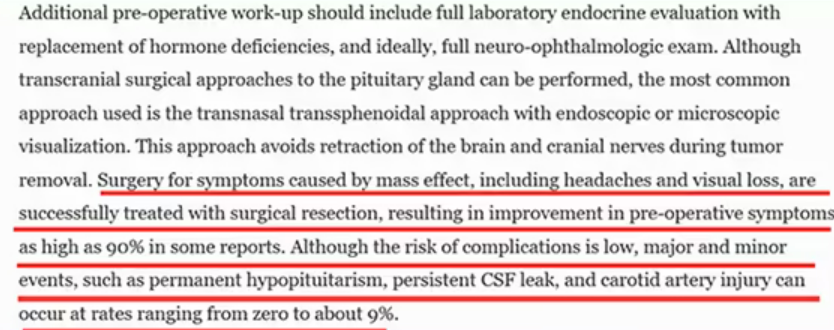
A research paper titled Pituitary Adenomas confirms that endoscopic transsphenoidal surgery effectively eliminates retraction injury to the brain and cranial nerves during tumor dissection. Up to 90% of preoperative symptoms including headache and vision loss are significantly alleviated postoperatively, with minimal perioperative complication risk.
2. Radiation Therapy
Radiotherapy delivers therapeutic efficacy primarily for non-functional pituitary adenomas. Pituitary tumors exhibit moderate radiosensitivity, yet treatment effects emerge gradually over months, with maximal tumor control achieved after one year or longer.
3. Hormone Replacement Therapy
Patients complicated by anterior hypopituitarism require exogenous hormone supplementation to reverse endocrine dysfunction. For candidates scheduled for surgery or radiotherapy, preoperative hormonal correction optimizes systemic metabolism and physical tolerance, lowering procedural risks and improving safety margins for subsequent definitive treatment.
Two Leading Global Pituitary Neurosurgeons from INC’s World Neurosurgery Advisory Group
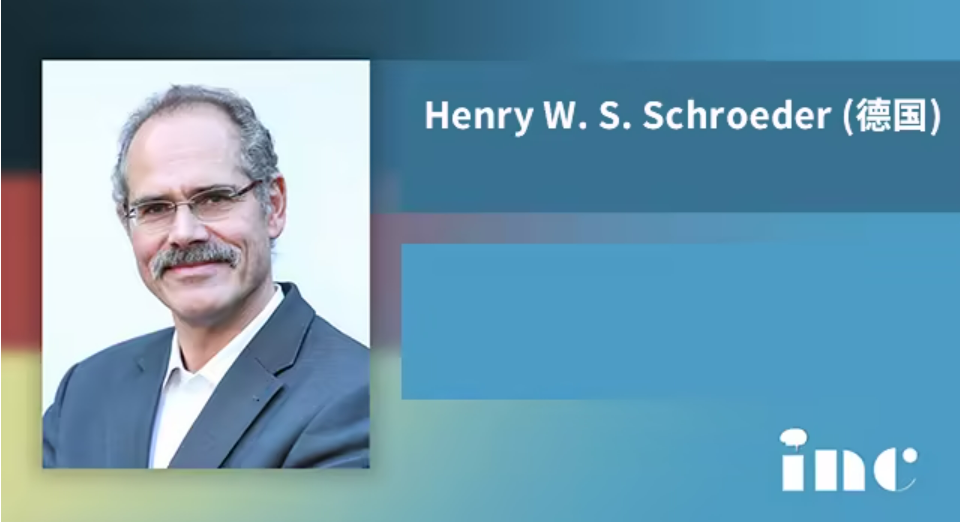
Professor Henry W.S. Schroeder
Professor and Chairman of Neurosurgery at the University of Greifswald (one of Germany’s oldest universities with three Nobel laureate alumni) and member of INC’s World Neurosurgery Advisory Group (WANG). With over 20 years of clinical experience in neurosurgical disorders, his subspecialties cover:
• Endoscopic neurosurgery: Hydrocephalus, intracranial cysts, intraventricular lesions;
• Endoscopic skull base surgery: Meningiomas, vestibular schwannomas, epidermoid cysts;
• Endoscopic endonasal skull base resection for pituitary adenomas;
• Minimally invasive navigation-guided intracranial surgery, peripheral nerve surgery, epilepsy surgery.
He specializes in single-nostril endoscopic minimally invasive resection of pituitary adenomas, attaining high gross total resection rates, favorable cure rates and low long-term recurrence rates for pituitary and meningioma cases. Professor Schroeder is frequently invited to domestic academic conferences on skull base tumor management in China, delivering hands-on training workshops for Chinese neurosurgeons to popularize endoscopic transsphenoidal techniques and facilitate bilateral academic exchange.
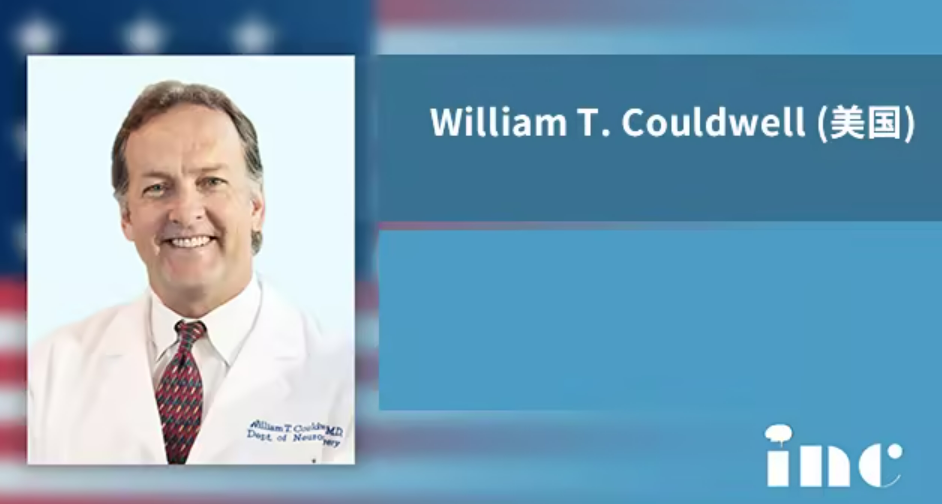
Professor William T. Couldwell
Professor William T. Couldwell is President of the World Academy of Neurological Surgery (WANS), former President of the International Meningioma Society and former President of the American Academy of Neurological Surgery, as well as a core member of INC’s WANG panel. His comprehensive clinical expertise spans meningiomas, gliomas, intracranial aneurysms, complex skull base surgery, stroke, traumatic brain injury and neurocritical care, with a primary focus on surgical management of intracranial/skull base neuroepithelial tumors, pituitary adenomas and epilepsy, cerebrovascular lesions.
His core research directions include surgical strategies for skull base neoplasms; signal transduction and apoptotic mechanisms in gliomas, pituitary adenomas and meningiomas; and genetic predispositions underlying intracranial aneurysms and primary brain tumors.
Globally recognized for unparalleled expertise in skull base neurosurgery, Professor Couldwell is a frequent keynote speaker and instructor at international skull base surgery courses. He has published over 400 peer-reviewed articles, authored more than 100 book chapters and seven monographs, and received multiple U.S. federal research grants. He serves as Editor-in-Chief of Neurosurgical Focus, the peer-reviewed electronic journal of the American Association of Neurological Surgeons, and holds editorial board positions for authoritative publications including Neurosurgery, Journal of Neuro-Oncology and Archives of Neurology & Psychiatry.