2026-07-13
Though only the size of a pea, the pituitary gland acts as the master regulator of systemic hormones, governing growth, metabolism, reproduction and numerous other bodily functions. A pituitary tumor refers to a common neoplasm arising within this vital endocrine hub.
Two Major Categories
•Functional pituitary tumors They autonomously overproduce hormones, triggering a wide array of clinical symptoms.
• Non-functioning pituitary tumors They do not secrete hormones and remain asymptomatic in early stages; complications emerge as the mass enlarges and compresses adjacent nerves.
Red Flags: Warning Signs from Your Body
Symptoms vary drastically across tumor subtypes. Check if you experience any of the manifestations below:
Tumor Type | Core Symptoms | Key Reminders |
Prolactinoma (the most prevalent subtype) | Females: menstrual irregularities, amenorrhea, galactorrhea unrelated to lactation, infertility.Males: decreased libido, erectile dysfunction, gynecomastia. | Many patients first consult gynecologists or andrologists, leading to frequent missed diagnoses. |
Growth hormone-secreting tumor | Adults: altered facial features (enlarged nose, thickened lips, protruding jaw), enlarged extremities (inability to fit rings), rough skin — collectively termed acromegaly.Children: abnormally accelerated linear growth, known as gigantism. | Morphological changes progress insidiously; comparing photos taken years apart may reveal subtle abnormalities. |
ACTH-secreting tumor (Cushing’s disease) | Central obesity (moon face, enlarged abdomen with thin limbs), purple skin striae, hypertension, hyperglycemia, emotional lability. | Its clinical presentation mimics metabolic syndrome, requiring professional differential diagnosis. |
Non-functioning pituitary tumor | Blurred vision, visual field defects (especially loss of peripheral vision), persistent headache. | Most cases are detected incidentally during brain imaging ordered for routine check-ups or visual complaints. |
Diagnostic Workup: Required Examinations
When pituitary tumor is suspected, clinicians generally adopt a two-step diagnostic protocol:
Endocrine testing (hormone assay) Blood tests measure the levels of relevant hormones, serving as the cornerstone for classifying tumor subtypes and evaluating secretory activity.
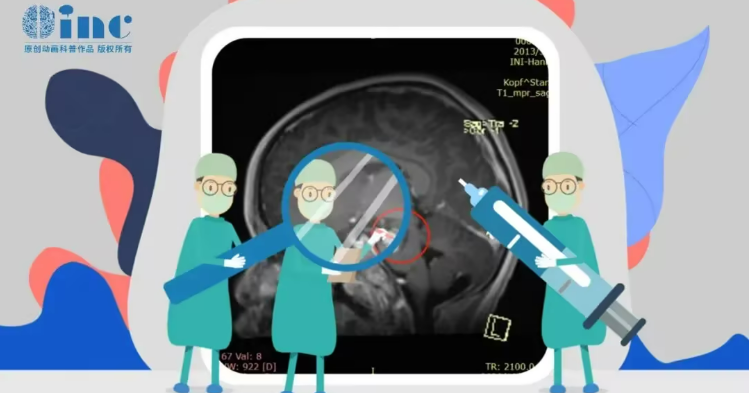
Sellar MRI (morphological visualization) This gold-standard imaging modality delineates tumor size, location, and anatomical relationships with surrounding nerves and blood vessels.
Three Individualized Treatment Modalities
Treatment plans are formulated based on comprehensive clinical assessment, with core goals of symptom resolution and preservation of normal pituitary function.
Surgery (First-line Primary Therapy)
Endoscopic transsphenoidal minimally invasive surgery (preferred approach) Surgeons access the sella turcica via the nostrils using nasal endoscopes. This technique features minimal trauma and rapid postoperative recovery, making it the primary intervention for most pituitary tumors.
Craniotomy Reserved for complex cases involving giant tumors with irregular morphology.
Medical Therapy (Indicated for Specific Subtypes)
Oral dopamine agonists such as cabergoline are the first-line treatment for prolactinomas, yielding remarkable therapeutic effects.
Radiotherapy (Adjuvant Therapy)
Administered as supplementary treatment for patients with postoperative residual tumor, recurrent lesions, or inoperable tumors.
Practical Advice for Patients
Avoid excessive anxiety The vast majority of pituitary tumors are benign, and standardized treatment delivers favorable long-term prognoses.
Seek multidisciplinary team (MDT) care Collaborative consultation among neurosurgeons, endocrinologists, ophthalmologists and other specialists delivers the most reliable personalized treatment strategy.
Long-term postoperative follow-up is mandatory Regular serial hormone testing and MRI scans are critical to monitor recovery and detect recurrence early.
Final Takeaway
Early detection, timely diagnosis and standardized management are the keys to overcoming pituitary tumors.