2026-07-10
Surgical resection serves as the first-line therapy for adrenocorticotropic hormone (ACTH)-secreting adenomas, and is also indicated for most growth hormone (GH) and thyroid-stimulating hormone (TSH)-secreting pituitary adenomas. Additionally, surgical intervention delivers meaningful therapeutic benefits for select patients with non-invasive prolactinomas who fail to respond to or cannot tolerate medical pharmacotherapy. For decades, microscopic transsphenoidal surgery has been widely adopted for resecting hormone-secreting pituitary adenomas with favorable clinical outcomes. Since the 1990s, pure endoscopic surgical techniques have gradually been applied to the management of functional (hormone-secreting) pituitary adenomas.
Surgical Value for Patients With Medically Refractory/Intolerant Non-Invasive Prolactinomas
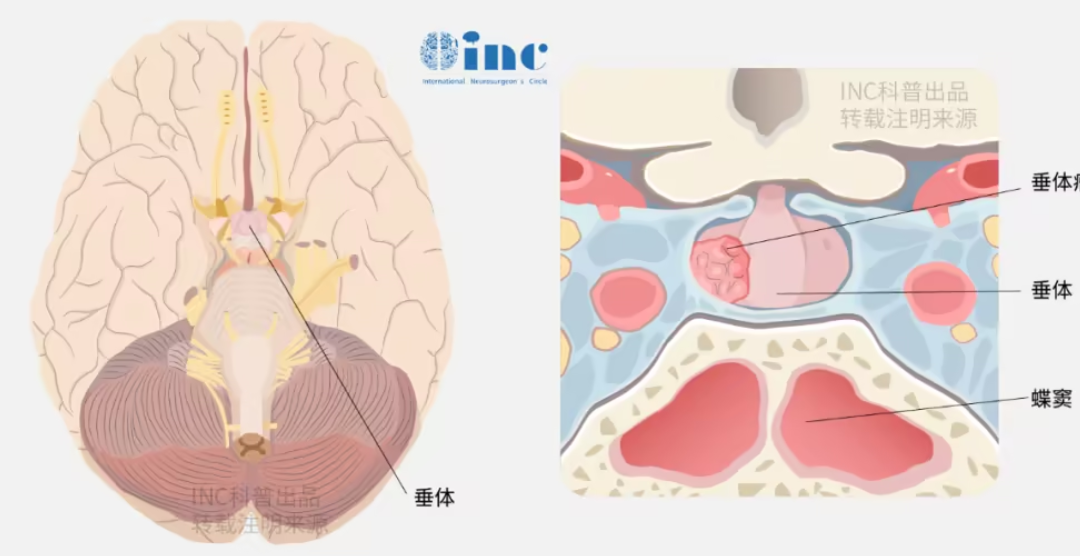
Research demonstrates that endoscopic surgery, equipped with superior illumination, panoramic wide-angle visualization and minimally invasive characteristics, may confer advantages over traditional microscopic transsphenoidal techniques. Multiple comparative studies have evaluated the therapeutic efficacy of the two approaches for pituitary adenomas, yet most analyses pool clinical outcomes of non-functioning adenomas alongside all subtypes of functional lesions. Given the marked disparities in treatment strategies across distinct functional pituitary adenoma subtypes (acromegaly, Cushing’s disease, prolactinomas), the optimal choice between endoscopic and microscopic surgery remains a critical clinical question.
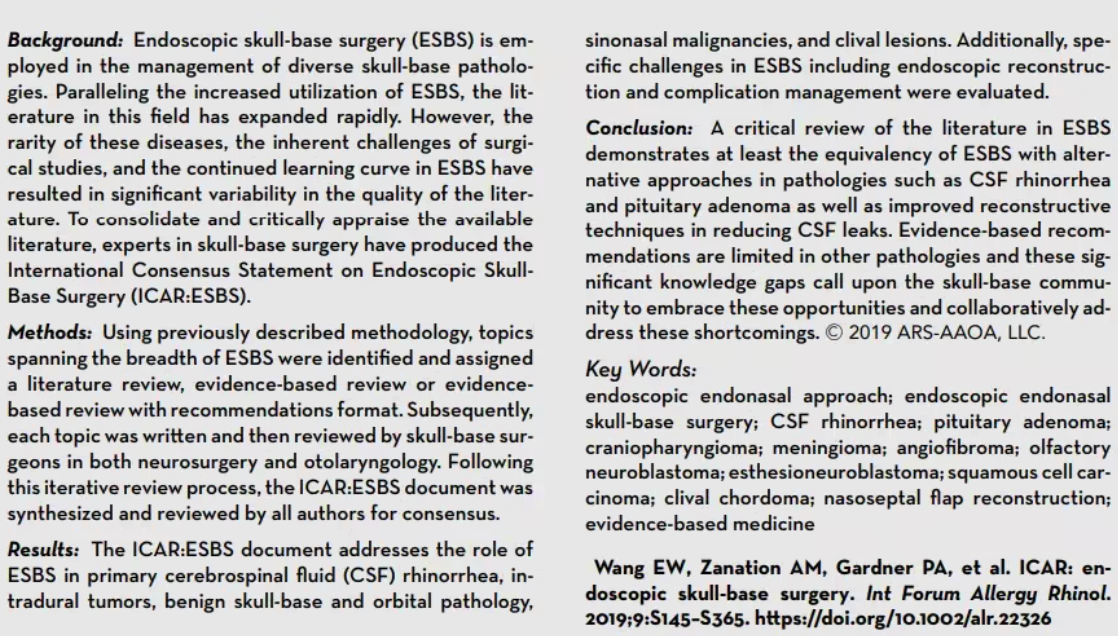
A panel of international skull base neurosurgery experts led by Professor Sebastien Froelich, a member of the World Neurosurgery Advisory Group (WANG) under the International Neurosurgical Center (INC), jointly formulated the International Consensus Statement on Endoscopic Skull Base Surgery (ICAR:ESBS). Key professional interpretations of this consensus are outlined below.
It should be noted that high-quality cost-effectiveness analyses focusing exclusively on specific pituitary adenoma subtypes remain scarce. Pooled data combining functional and non-functional tumor cohorts indicate comparable in-hospital costs between endoscopic and microscopic transsphenoidal surgery. Furthermore, pooled analyses and separate studies limited to non-functioning adenomas reveal no statistically significant long-term differences in sinonasal outcomes between the two modalities.
A systematic review exclusively enrolling acromegaly patients undergoing endoscopic versus microscopic transsphenoidal resection has been published. This meta-analysis incorporated 31 cohort studies (950 endoscopic cases, 2,137 microscopic cases) and identified superior biochemical remission rates in the endoscopic group, with the disparity most pronounced in the subgroup of non-invasive macroadenomas (84% vs 67%, p<0.001). However, the endoscopic cohort carried higher risks of sinusitis (16% vs 3%, p<0.001) and intraoperative cerebrospinal fluid leak (22% vs 1%, p=0.02), whereas the microscopic group exhibited a higher meningitis rate (1% vs 2%, p=0.03). Important limitations of this review include substantially longer average follow-up duration in the microscopic arm, and potential overlapping enrollment of identical patient populations across multiple studies conducted within the same institution over the same period. Among the three direct head-to-head comparative cohort studies and one additional controlled trial included in the review, most reported equivalent remission rates between the two modalities. The sole exception was the trial by Lenzi et al., which documented markedly lower remission rates for macroadenomas treated via microscopic surgery (19% vs 69%, p=0.018); this conclusion is subject to bias, as high-volume experienced centers routinely achieve far superior remission rates with microscopic techniques.
Only one comparative study has evaluated surgical modalities specifically for Cushing’s disease. Alahmadi et al. analyzed the impact of surgical approach on endocrine outcomes in 42 patients undergoing pituitary resection for Cushing’s disease. The 17 endoscopic cases and 25 microscopic cases demonstrated comparable remission rates (59% vs 64%) and diabetes insipidus incidence (24% vs 28%). Postoperative anterior hypopituitarism was more prevalent after microscopic surgery, while cerebrospinal fluid leaks and sinonasal complications were more common following endoscopic resection, though none of these differences reached statistical significance.
To date, just one study has directly compared microscopic and endoscopic resection for prolactinomas. Cho and Liau analyzed two equal cohorts of 22 patients each. Biochemical remission rates (66% vs 75%) and visual improvement rates (63% vs 60%) were statistically indistinguishable between the two arms. The most striking intergroup difference lay in overall complication rates: only one adverse event (4.5%) occurred in the endoscopic group versus six (27%) in the microscopic cohort, five of which were sinonasal complications.

Summary of Endoscopic versus Microscopic Transsphenoidal Surgery
Therapeutic Benefit Analysis: Biochemical remission rates for functional pituitary adenomas are generally comparable between endoscopic and microscopic transsphenoidal surgery. Endoscopic resection may offer marginal advantages for select large macroadenomas.
Risk Stratification: The overall spectrum and aggregate risk of complications are similar for endoscopic and microscopic transsphenoidal approaches.
Cost Analysis: Studies incorporating non-functioning pituitary adenomas demonstrate equivalent in-hospital costs for the two modalities. Long-term economic burden for functional adenomas is primarily driven by failed biochemical remission or late biochemical recurrence, requiring further dedicated research to quantify long-term cost disparities.
Benefit-Risk Balance: High-level evidence (Level of Evidence, LOE) confirming consistent relative advantages or hazards of endoscopic transsphenoidal surgery over microscopic resection remains absent.
Clinical Value Judgment: Selection of surgical modality (endoscopic or microscopic transsphenoidal) for functional pituitary adenomas is determined by institutional resources and the operator’s personal surgical experience. Endoscopy carries potential inherent advantages for wide visualization of large suprasellar tumor extensions.
Clinical Recommendation: Endoscopic transnasal transsphenoidal resection constitutes a reasonable first-line surgical option for all functional pituitary adenomas requiring operative intervention.