2026-07-08
Mr. Gus, a 54-year-old male patient, was diagnosed with a pituitary adenoma. His initial self-reported symptoms included decreased libido and erectile dysfunction. Hospital workup confirmed partial combined growth hormone and gonadotropin hypofunction, and imaging identified a sellar pituitary mass. Clinicians informed the patient that the lesion was large enough to compress the optic chiasm and impair vision, with leftward displacement of the native pituitary gland, mandating surgical resection.
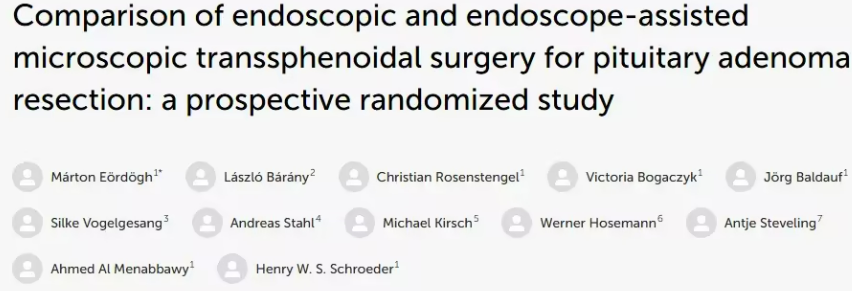
When weighing surgical options, the patient evaluated two modalities — endoscopic transsphenoidal surgery and craniotomy — under clinician guidance. A prospective randomized trial published in an international journal titled Endoscopic versus microscopic transsphenoidal surgery for pituitary adenoma resection conducted a head-to-head comparison of the two operative techniques.
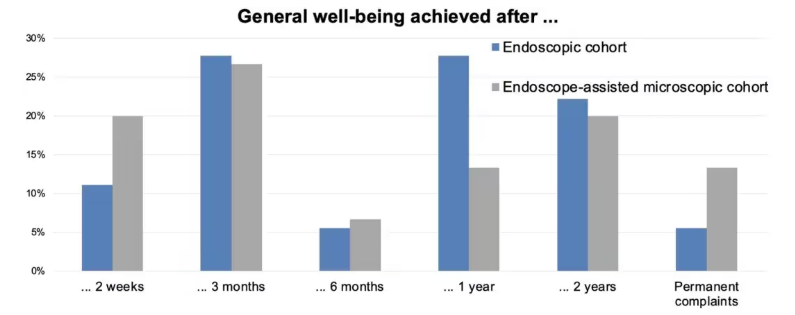
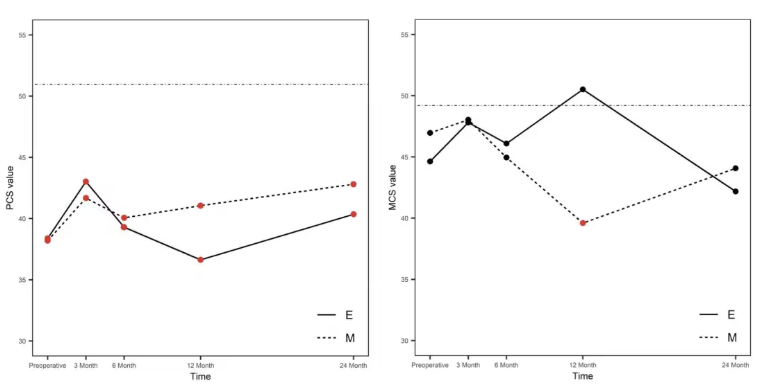
The study demonstrated that endoscopic and microscopic transsphenoidal surgery yielded equivalent outcomes in terms of hospital length of stay, overall complication rates, preservation of pituitary and olfactory function, resolution of ocular symptoms, global quality of life, and SNOT (Sino-Nasal Outcome Test) scores. Nevertheless, endoscopic resection demonstrated superior performance in long-term tumor recurrence control, with measurable advantages in sustained anterior pituitary function and long-term prognosis.
Following Professor Schroeder’s recommendation, Mr. Gus opted for minimally invasive endoscopic transnasal transsphenoidal surgery. The adenoma was completely resected with intact preservation of adjacent vital anatomical structures. The patient’s visual acuity and visual field defects improved significantly. One year postoperatively, clinical and laboratory testing revealed no evidence of hypopituitarism, allowing full discontinuation of hormone replacement therapy. Follow-up MRI verified gross total tumor resection with clear visualization of intact native pituitary tissue within the left sellar compartment and normal anatomical architecture of the paranasal sinuses. The patient experienced uneventful postoperative recovery with marked improvement in quality of life.
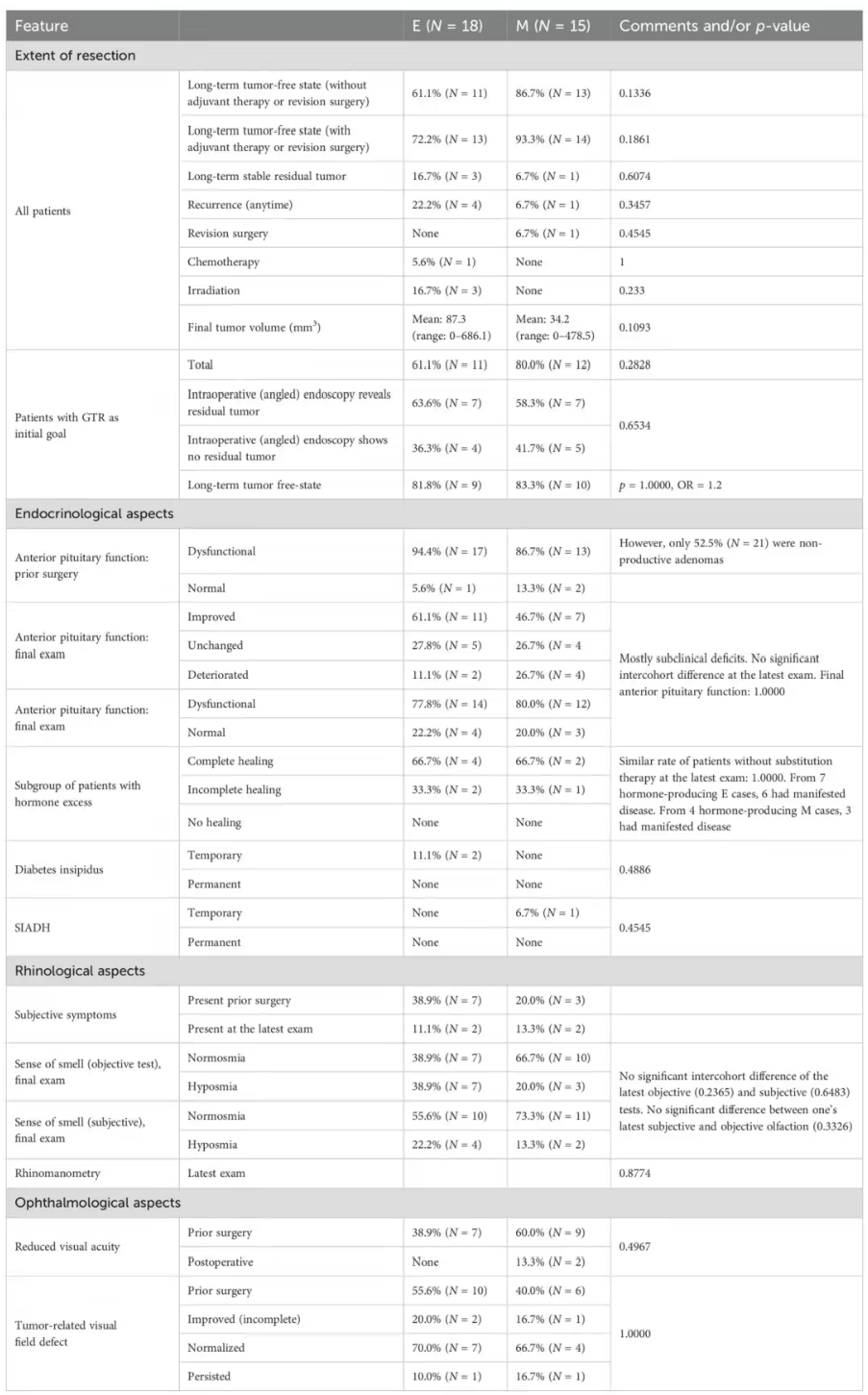
Clinical research validates that endoscopic pituitary adenoma resection offers two core strengths: reduced long-term recurrence risk and superior preservation of endogenous pituitary endocrine function. For patients meeting formal procedural indications, endoscopic transnasal transsphenoidal surgery should be prioritized as the first-line surgical approach. Regular serial imaging and endocrine function surveillance are mandatory postoperatively to monitor for tumor regrowth and track long-term pituitary functional status.