2026-07-06
When osteoporosis is mentioned, most people immediately think of calcium supplementation and make efforts to take in enough calcium to ward off the condition.
Calcium intake does help prevent osteoporosis, yet many overlook a common household cooking habit that erodes the whole family’s bone health: over-salting dishes while cooking.
The average salt intake of Chinese residents is approximately twice the health-recommended level. Excessive sodium consumption accelerates calcium excretion and raises the risk of osteoporosis.
How Severe Are the Hazards of Osteoporosis?
Simply put, osteoporosis means bones become porous and fragile.
Human bones feature a hard outer cortical shell encasing trabecular bone, a spongy inner osseous tissue. Healthy bone’s porous internal structure supports the body and protects vital organs while storing minerals such as calcium. Bone metabolism involves constant breakdown and resorption of old bone tissue alongside the formation of new bone; balanced turnover maintains bone mass and structural stability. Once bone formation falls behind bone resorption, trabeculae thin, become sparse, and even fracture, resulting in osteoporosis.
Osteoporosis is a prevalent disease severely threatening elderly health, with a particularly high burden among middle-aged and elderly women.
National epidemiological surveys on osteoporosis show that the prevalence of osteoporosis among Chinese adults aged 50 and above stands at 19.2%, rising to 32.0% in those aged 65 and older. The breakdown by gender is 10.7% for men and a striking 51.6% for women. Worse still, the bone health of Chinese citizens is worrying, with the condition trending younger. Surveys reveal a huge population with low bone mass, a high-risk group for osteoporosis. Among adults aged 40 to 49, the rate of low bone mass reaches 32.9% (34.4% in men and 31.4% in women).
Bone loss advances silently with no obvious early symptoms. As osteoporosis worsens, patients develop back pain, kyphosis, and loss of height. They also become prone to falls and fractures, which carry life-threatening risks for seniors. Femoral fractures are especially dangerous: roughly 20% of patients pass away within one year after diagnosis. The late Mr. Yuan Longping, the "Father of Hybrid Rice", also lost his life following an accidental fall. For this reason, osteoporosis is often dubbed the "silent killer".
High Salt Intake Boosts Osteoporosis Risk
Salt is indispensable for seasoning: it neutralizes bitterness, softens sourness, enhances sweetness, and amplifies food aroma to enrich overall flavor. This explains why salt is a staple in all savory dishes, and many home cooks habitually add extra spoonfuls of salt during stir-frying.
Nevertheless, excess sodium must be excreted via urine, a process that flushes calcium out of the body and accelerates bone mineral loss.
For every 2,300 milligrams of sodium (equivalent to 6 grams of salt) the kidneys eliminate, 40 to 60 milligrams of calcium is lost simultaneously. Higher salt intake translates to greater calcium wastage. When excessive sodium demands calcium excretion yet dietary calcium is insufficient, the body leaches calcium straight from bone tissue. Long-term depletion of skeletal calcium elevates osteoporosis risk. Multiple studies confirm that high sodium intake correlates with reduced bone mineral density in the hip and vertebral spine.
Compounding this issue, Chinese residents already suffer from severe inadequate calcium intake, with a daily average of merely 330 milligrams, a deficit affecting over 90% of the population. Coupled with excessive salt consumption, bone health deteriorates further, greatly exacerbating osteoporosis risk.
Accordingly, all official Chinese health guidelines for osteoporosis recommend a low-sodium diet for patients, with a daily salt cap of 5 grams for adults.
How Much Salt Do Chinese People Actually Consume?
China boasts a diverse cuisine with countless savory side dishes, nearly all relying heavily on salt for flavor.
Over the past four decades, salt intake across all age groups in China has remained persistently high, around double the 5-gram daily limit recommended by the World Health Organization (WHO).
The 2012 China National Nutrition and Health Survey recorded an average daily salt intake of 10.5 grams per person.
2016 evaluation data put the national average at 9.2 grams daily, with Henan Province topping the list, followed by Beijing, Liaoning and Shaanxi tied for second place.
In 2019, The Lancet published an analysis of mortality and disease burden linked to dietary patterns across 195 countries and regions. China ranked in the second tier globally for diet-related deaths, with excessive salt consumption identified as a major contributing factor.
Thanks to the National Nutrition Program and Healthy China Initiative, the national "Three Reductions" campaign (reducing salt, oil and sugar) has yielded modest progress by 2020. The 2020 Report on Chinese Residents’ Nutrition and Chronic Disease Status reported an average daily salt intake of 9.3 grams per capita.
Even so, the Healthy China Initiative and the Chinese Dietary Guidelines (2022) both mandate a maximum daily salt intake of 5 grams per person, leaving a substantial gap between current consumption and the ideal target.
In summary, Chinese salt intake remains roughly twice the healthy threshold, and reducing sodium consumption remains an ongoing long-term challenge.
Practical Strategies to Cut Salt Intake
Approximately 80% of sodium consumed by Chinese residents originates from home cooking, including table salt, salty condiments and pickled vegetables. Below are actionable tips to lower daily salt intake:
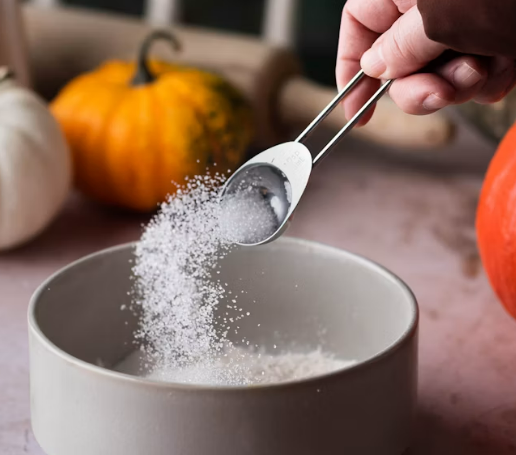
Use salt shakers with portion control or measured salt spoons. Spoons calibrated for 2 g or 3 g servings enable precise monitoring of salt volume during cooking.
Adjust cooking techniques to cut salt use. Minimize or avoid salt, soy sauce, fish sauce and other high-sodium seasonings while cooking; add salt only right before serving to retain a strong salty taste perception with less quantity.
Leverage natural food flavors to enhance taste. Vinegar, lemon juice and chili peppers can substitute salt to boost dish flavor without raising sodium levels.
Limit salty snacks and fast food, and watch out for hidden sodium. Potato chips, hamburgers and pizza all contain high sodium. Hidden salt in fermented bean paste, chili sauce, pickled mustard tuber, preserved cucumber, yellow soybean paste, fermented bean curd and salted duck eggs also warrants strict limitation or avoidance.
Check nutrition labels and select low-sodium packaged foods. Prioritize products with low sodium content when purchasing processed groceries.
Choose low-sodium salt for household use. Regular table salt is primarily sodium chloride, while low-sodium salt contains roughly 70% sodium chloride and 30% potassium chloride. Swapping regular salt for low-sodium alternatives cuts sodium intake by around 30% for the same weight of seasoning. Premium specialty salts such as bamboo salt and snowflake salt deliver identical sodium content and offer no health benefits when overconsumed.
Do not equate mild taste with low sodium. Preserved plums, ketchup, bread and sandwich cookies taste barely salty yet contain substantial hidden sodium, so their consumption should also be moderated.