2026-06-04
Introduction:Trigeminal schwannoma is a tumor arising from the Schwann cells of the trigeminal nerve sheath. When it undergoes malignant transformation, it can have a serious impact on the patient's health. The causes of trigeminal schwannoma are varied, but can broadly be attributed to abnormal nerve sheath development and gene mutations. Abnormal nerve sheath development may result from the combined influence of genetic, environmental, and lifestyle factors. Gene mutations, on the other hand, may arise from errors occurring during the replication, transcription, or expression of an individual's genetic material, leading to aberrant growth and differentiation of Schwann cells.
In addition, the development of trigeminal schwannoma may also be associated with immune system dysfunction. The immune system serves as one of the body's primary defense mechanisms; when it malfunctions, it may fail to suppress abnormal cell proliferation, thereby facilitating tumor formation.
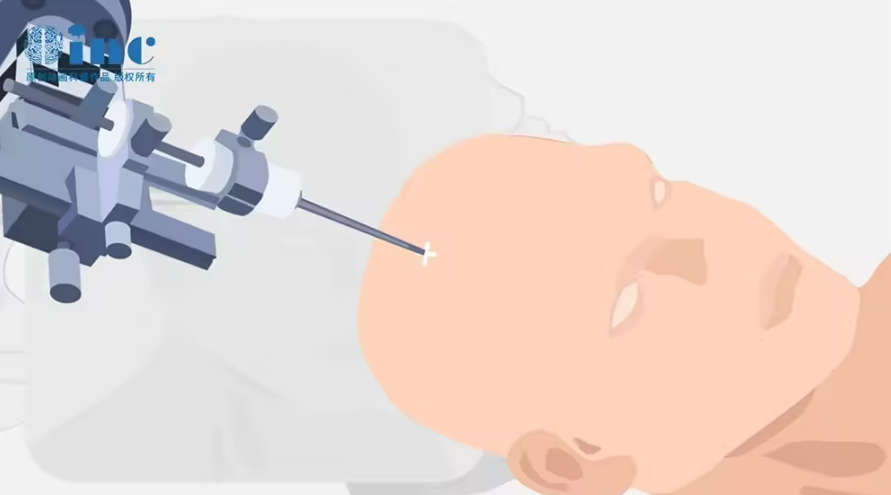
Consequences of Malignant Transformation
1. Disease progression
Following malignant transformation, trigeminal schwannoma typically acquires greater invasiveness and metastatic potential. The tumor may enlarge rapidly, invade surrounding normal tissue, and even spread to distant sites — causing the patient's condition to deteriorate quickly.
2. Worsening symptoms
As the tumor grows and becomes increasingly invasive, patients may develop more severe facial pain, numbness, restricted mouth opening, and facial muscle rigidity — all of which significantly impair quality of life.
3. Increased complications
Malignant transformation may trigger a cascade of complications, including raised intracranial pressure and hydrocephalus; in severe cases, these can be life-threatening.
Factors Determining Severity
The severity of trigeminal schwannoma varies considerably between individuals and depends primarily on tumor size, growth rate, and the presence or absence of malignant features. Generally speaking, patients with small, slow-growing tumors tend to have a milder clinical course — they may be asymptomatic or experience only mild symptoms with minimal impact on daily life. By contrast, large or rapidly growing tumors are associated with a more serious clinical picture; a substantial tumor mass can compress surrounding normal tissue, producing significant symptoms such as facial pain and numbness.
Although trigeminal schwannomas are benign in the majority of cases, malignant transformation does occur. When signs of malignant change are present — such as rapid tumor growth, irregular morphology, or poorly defined margins — or when malignant transformation is confirmed by pathological examination, the prognosis becomes considerably more serious. A malignantly transformed tumor not only invades surrounding normal tissue but may also spread via the bloodstream or lymphatic system to distant organs, resulting in multi-organ dysfunction.
Treatment
Treatment for trigeminal schwannoma primarily encompasses surgical resection, radiotherapy, and chemotherapy. Surgical resection is the preferred treatment modality, particularly for large tumors, those that are growing rapidly, or those showing signs of malignant transformation. Radiotherapy and chemotherapy are primarily used as adjuncts — to reduce tumor volume, alleviate symptoms, or extend survival.
Prevention
Preventing the development of trigeminal schwannoma requires attention to several aspects:
Maintaining a healthy lifestyle — including a balanced diet, moderate physical activity, and avoidance of excessive fatigue.
Minimizing exposure to harmful substances and environments that may induce gene mutations or immune dysfunction.
Undergoing regular physical and neurological examinations to enable early detection and treatment of any potential schwannoma.
In summary, malignant transformation of trigeminal schwannoma can have serious consequences for the patient's health, including disease progression, worsening symptoms, and an increased burden of complications. The underlying causes are multifactorial, encompassing abnormal nerve sheath development and gene mutations, among others. Disease severity is highly individual and depends primarily on tumor size, growth rate, and malignant potential. Treatment and prevention therefore require a comprehensive, individualized approach that takes all relevant factors into account.
In clinical practice, physicians must conduct a thorough diagnostic workup and formulate a detailed treatment plan tailored to each patient's specific circumstances. For patients, maintaining a positive mindset and adhering to the prescribed treatment plan are equally important components of the care process.
The above content is provided for informational reading purposes only and does not constitute medical advice or treatment guidance. For further information on schwannoma, please contact us by phone or leave an online message. The INC World Academy of Neurological Surgeons is a physician group composed of neurosurgical professors from developed countries worldwide, each of whom has made significant contributions to the international field of neurosurgery. Patients in China with tumors or vascular lesions in complex locations — including the brainstem, thalamus, corpus callosum, spinal cord, and pineal region — who wish to explore higher-quality and more extensive surgical resection options at the international level are welcome to seek a remote consultation with INC's international faculty.