2026-05-29
Introduction: The difference between a resectable glioma and an unresectable one is sometimes just two or three weeks. Once the tumor crosses the midline, encases a major vessel, or the patient's performance status deteriorates, the surgical window closes — and it doesn't reopen.
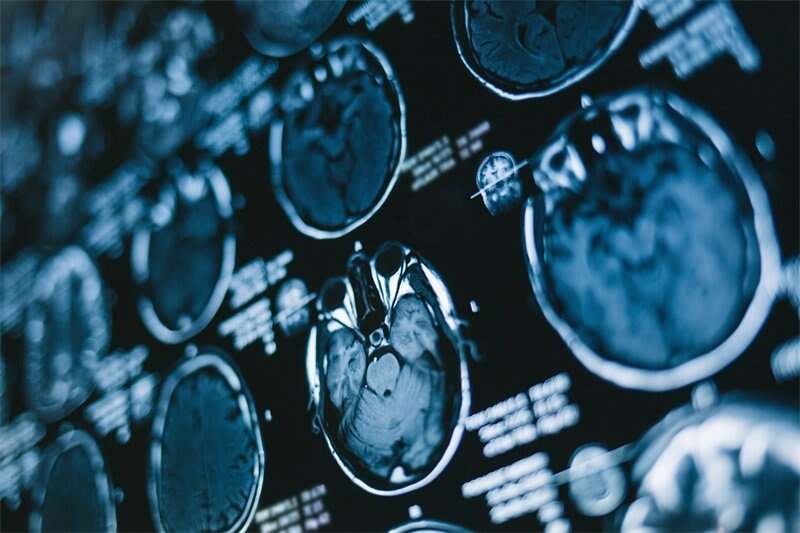
I've seen this more than once in clinic. The scans go up on the lightbox, and the mass effect is already substantial — significant midline shift, peritumoral edema compressing the surrounding brain tissue down to a thin sliver. I walk the family through the surgical plan. They hesitate. They say they'd like to go home and try traditional Chinese medicine for a while first.
This is neither the first time I've heard it, nor will it be the last.
But something needs to be said plainly. Malignant glioma is not a disease that sits still while you wait. The tumor doubling time for glioblastoma (GBM) is approximately three to four weeks. To put that concretely: a 3 cm tumor on last month's scan may already be close to 5 cm today. And it doesn't grow at a steady pace — it accelerates. The further along it gets, the harder it is to control, because the necrotic core releases pro-angiogenic factors that recruit additional blood supply, driving a vicious cycle.
Here is a pattern I've seen validated again and again in clinical practice: the difference between a resectable glioma and an unresectable one is sometimes just two or three weeks. Not in a technical sense — but in the sense that once the tumor crosses the midline, encases a major vessel, or the patient's performance status drops below a certain threshold, the surgical window closes. Once it closes, it doesn't reopen.
That's a separate question from whether traditional Chinese medicine has any benefit.
I won't comment on whether TCM has antitumor activity against glioma — because there is currently no evidence from any level of the evidence-based medicine hierarchy to support that claim. But one thing can be stated with certainty: the tumor does not pause its growth because a patient is drinking herbal decoctions. It is growing. It is always growing. And every day it grows, the likelihood of a complete resection decreases, the prospects for functional preservation worsen, and overall survival shortens.
There is a particular clinical scenario that I find especially difficult to witness. A patient returns after two or three months on traditional Chinese medicine for a follow-up scan. The tumor is nearly half again as large as before. The family says there was a period in the middle when the patient seemed more alert — they thought the herbs were working. In reality, corticosteroids had been used during that period to reduce cerebral edema. The symptoms improved. But the tumor itself was entirely unaffected. Corticosteroids are genuinely effective for edema management — but that is treating the symptom, not the tumor. Many families cannot distinguish between the two. By the time they do, the opportunity has passed.
There is another point that tends to go unappreciated. The brain is not the liver. The liver can regenerate after losing half its volume. Brain tissue that is lost is lost — there is no regeneration. This is why surgery for gliomas adjacent to eloquent cortex requires balancing maximal resection against functional preservation. When the tumor is small, that balance is manageable — there is room to maneuver. When the tumor is large, it's a different situation entirely. The tumor's footprint has expanded, the eloquent cortex has been displaced and distorted, and intraoperative margin assessment becomes ambiguous. The surgeon's skill hasn't changed — but the operative field has.
I have seen patients who came back too late. One look at the preoperative imaging tells you: the question is no longer whether we can resect it. The question is whether the patient will survive the operation at all. This is not meant to frighten anyone — it is a clinical reality. In end-stage malignant glioma, when intracranial pressure reaches a critical level, the risk of cerebral herniation is measured in hours. At that point, whether or not to operate is no longer a choice anyone gets to make.
These are not easy things to say.
But if I don't say them, a family may go through this entire journey without ever fully understanding what their chosen path cost them.
Reference: https://www.incsg.com/jiaozhiliu/8502.html