2026-05-26
Headaches may be a warning sign of an intracranial tumor. Pilocytic astrocytoma, a low-grade glioma with a favorable prognosis, has a 10-year survival rate of up to 90%. Among pediatric gliomas, ganglioglioma is another tumor worthy of attention. A 37-year longitudinal study showed that patients with this tumor achieved a 14-year survival rate of up to 100%.
In-Depth Analysis of 37-Year Follow-Up Data on Ganglioglioma
Ganglioglioma is a rare central nervous system tumor that can occur in children, adolescents, and adults, accounting for approximately 4% of pediatric central nervous system tumors. The tumor may originate from a common precursor cell within hamartomatous glioneuronal lesions. Histopathologically, it is characterized by a mixed composition of ganglion cells and glial cells.
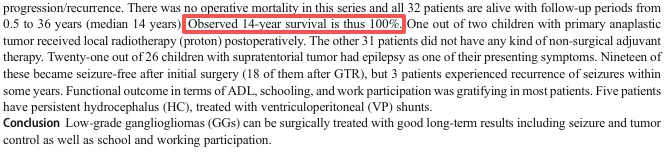
To clarify the long-term outcomes following surgical treatment of this tumor, a retrospective study with a follow-up period of up to 37 years provided key findings. The study demonstrated a 14-year survival rate of up to 100%. Pediatric patients were able to achieve favorable long-term outcomes through surgery alone, and even in cases of incomplete initial resection or recurrence, radiotherapy was generally unnecessary. Most patients achieved satisfactory outcomes in independent living, activities of daily living, motor function, academic performance, and workforce participation.
Ganglioglioma most commonly arises in the supratentorial region, particularly within the cerebral hemispheres. A study based on the Surveillance, Epidemiology, and End Results (SEER) database of the U.S. National Cancer Institute analyzed 348 cases of pediatric low-grade ganglioglioma and found that the tumor was more common in male patients. Clinical manifestations typically include seizures, increased intracranial pressure, ataxia, nystagmus, and cranial nerve dysfunction.
Further research confirmed that although pediatric ganglioglioma presents unique challenges to pediatric neurosurgeons compared with most supratentorial tumors, effective long-term disease control can be achieved through neurosurgical resection alone.
The prognosis of desmoplastic infantile ganglioglioma and primary anaplastic ganglioglioma is generally poorer than that of low-grade ganglioglioma.
Surgical treatment has demonstrated significant efficacy in seizure control, particularly following gross total resection (GTR) of the tumor. This highlights the importance of achieving GTR during the initial surgery, as the extent of resection is closely associated with the likelihood of durable postoperative seizure control. However, complete resection is not feasible in all cases due to tumor location and the risk of unacceptable postoperative neurological deficits. For pediatric patients in whom total resection cannot be achieved during the initial procedure, repeat surgery is generally preferred over adjuvant therapy.
Primary anaplastic ganglioglioma is considered a more aggressive subtype of ganglioglioma. Its pathological features mainly include mitotic activity within the glial component, increased cellularity, vascular proliferation, and necrosis. Some reports have also described the possibility of secondary malignant transformation. On MRI, however, its imaging appearance may resemble that of pilocytic astrocytoma. The prognosis of this subtype largely depends on the extent of surgical resection, and adjuvant therapy is usually required to prevent recurrence. Nevertheless, some investigators have suggested that radiotherapy may increase the risk of malignant progression. The average overall survival is approximately 43 months, with 1-year and 3-year overall survival rates of 76.6% and 45.5%, respectively. Median progression-free survival is 34 months, while 1-year and 3-year progression-free survival rates are 76.6% and 42.4%, respectively.
For pediatric low-grade ganglioglioma, surgery alone can provide favorable long-term outcomes, including preservation of activities of daily living, overall motor function, and activity levels, while also offering effective tumor control and seizure management. This study featured a follow-up duration of up to 37 years, with a relatively large and consecutive patient cohort. Over nearly four decades of follow-up, some pediatric patients grew up to become mothers, while others were able to work, live independently, and even participate in competitive sports. Even among children with the more malignant primary anaplastic ganglioglioma subtype, one boy remained recurrence-free for eight years after surgery and later became an engineer, while another boy received no adjuvant therapy and remained free of recurrence and seizures for seven years. These long-term follow-up data encompass nearly the entirety of the patients’ life trajectories, and their successful reintegration into ordinary life stands as compelling evidence of effective glioma treatment.
A Glioma Case Triggered by Headache Symptoms: How Two International Experts Performed a Successful Surgery
Professor Bertalanffy, former Chairman of the Education and Technical Committee of World Federation of Neurosurgical Societies (WFNS), collaborated with Professor Concezio Di Rocco, Director of Pediatric Neurosurgery at the International Neuroscience Institute in Hannover, Germany, to treat an 11-year-old boy diagnosed with malignant intracranial primary anaplastic ganglioglioma. Following the successful surgery performed by the two professors, the patient subsequently underwent proton therapy and treatment with Temozolomide.
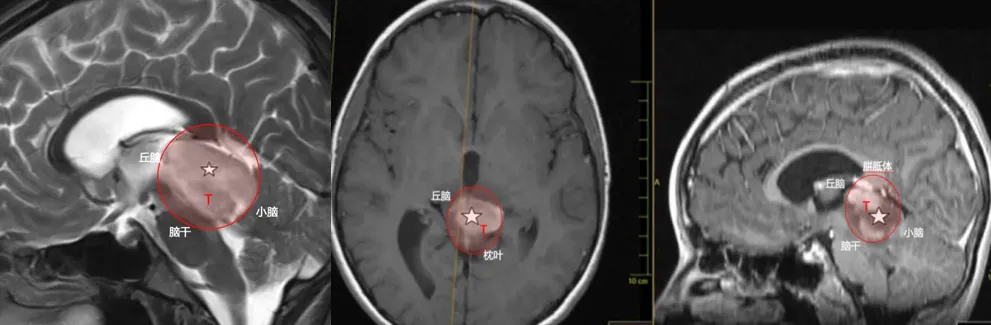
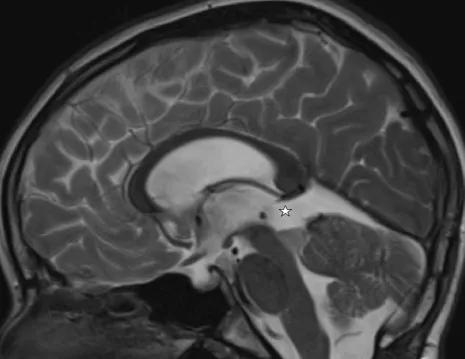
The boy presented with headaches and diplopia. MRI examination revealed a large midline intracranial tumor located in the thalamic and tectal regions of the midbrain. The lesion extended from the cerebellum to the pineal region and invaded the diencephalon, resulting in bilateral abducens nerve palsy and bilateral papilledema. Fortunately, spinal MRI showed no abnormalities, indicating the absence of tumor dissemination.
Laboratory testing demonstrated that the patient’s β-HCG and alpha-fetoprotein levels were within normal ranges. Based on these findings, Professor Bertalanffy devised a surgical strategy involving initial endoscopic ventriculostomy followed by tumor resection via a midline suboccipital supracerebellar approach, ultimately achieving near-total resection of the lesion.
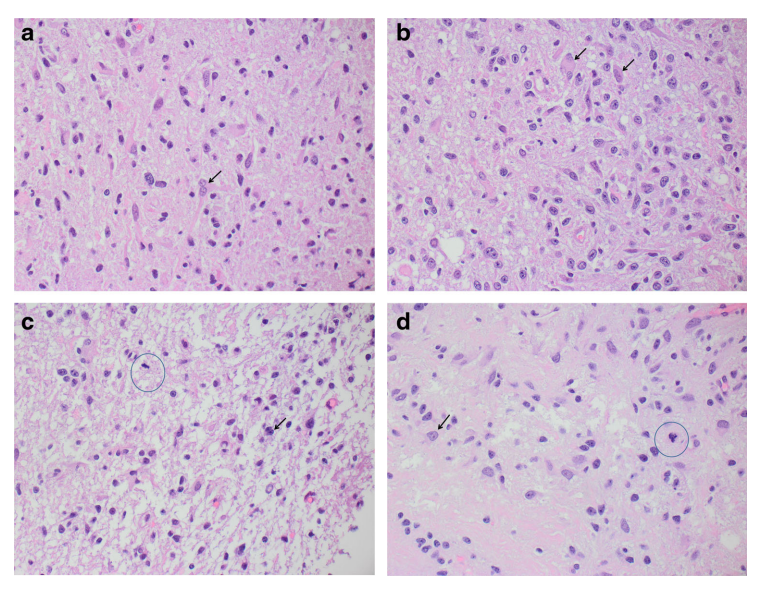
Intraoperative frozen-section pathology initially suggested that the tumor might be pilocytic astrocytoma. However, subsequent detailed histopathological analysis revealed dysplastic multinucleated ganglion cells, with mitotic activity observed in both the glial and ganglion cell components. The Ki-67 labeling index ranged from 2% to 10%, and a BRAF V600E mutation was detected. These findings ultimately confirmed the diagnosis of anaplastic ganglioglioma, classified as WHO Grade III. Postoperatively, the patient developed transient vertical nystagmus, which completely resolved within 14 days after surgery. Following definitive pathological diagnosis, the patient began adjuvant proton therapy combined with temozolomide treatment.
Reference: https://www.incsg.com/jiaozhiliu/8438.html