2026-01-23
In reproductive medicine, we meet many women anxious about conception. Upon receiving a hysterosalpingogram (HSG) report stating "tubal patency with impaired passage" or "poor tubal permeability," the diagnosis often brings immediate confusion and concern: Does this mean it's open or not? Can I still conceive naturally?
Today, we'll demystify this "gray area."
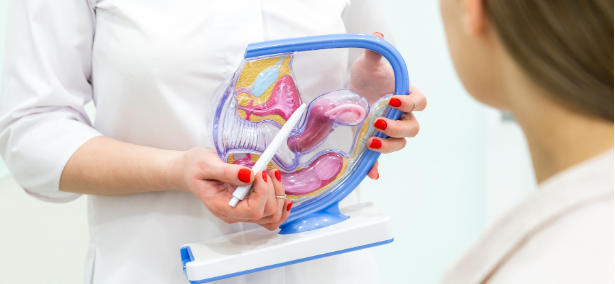
1. "Partially Blocked": A Risky "In-Between" State
First, understand this: "Partially blocked" is not the same as "completely blocked." It means the fallopian tube appears open on imaging—contrast dye can pass through—but the flow is not smooth. Imagine a highway that should be clear but has developed issues:
Narrowing: There might be slight adhesions or scarring inside the tube, making the passage narrower.
Slow Transit: Due to factors like past inflammation, the tube's peristalsis (its natural, wavelike motion) becomes weak and inefficient, like a conveyor belt losing power.
Poor "Road Conditions": The fimbriae (the finger-like projections at the tube's end that "pick up" the egg) might have minor adhesions, reducing their efficiency.
So, the answer is: It is open, but its function is compromised. This is precisely where the danger lies. Because it's open, natural pregnancy is possible. But because it's impaired, it carries two significant risks.
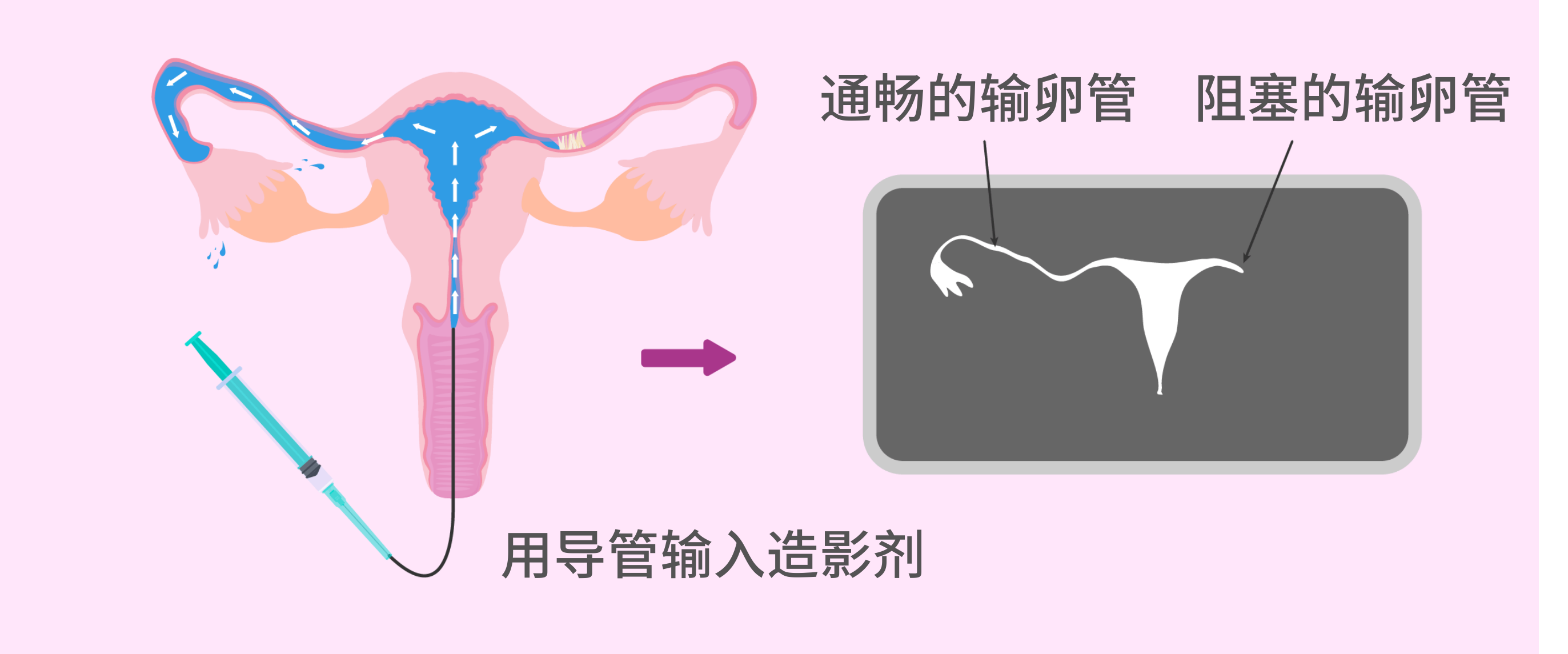
An HSG schematic showing "Partial Blockage" between "Patent" and "Obstructed"
2. The Two Core Risks: Infertility & Ectopic Pregnancy
·Lowered Chance of Natural Pregnancy
Conception is a delicate process. Sperm must travel upstream to meet the egg in the fallopian tube's ampulla. The resulting embryo then relies on the tube's peristalsis and internal cilia to travel back to the uterine cavity for implantation.
A "partially blocked" tube hinders every step: narrowing can block the sperm-egg meeting; poor motility can cause the embryo to move too slowly or get stuck, missing the optimal implantation window in the uterus.
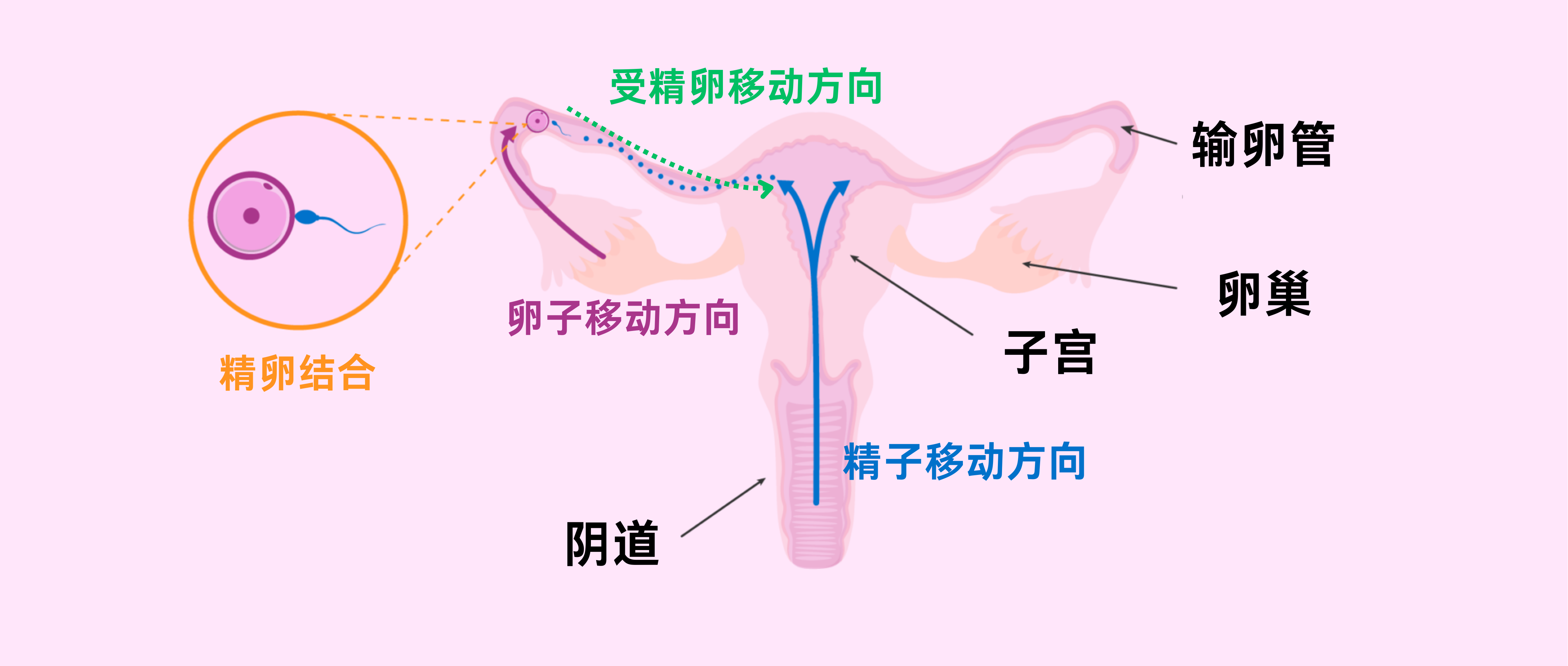 The Process of Natural Conception
·Significantly Increased Risk of Ectopic Pregnancy
This is the most critical risk to understand! If the embryo gets stuck on its journey back due to the impaired tube, it may implant and grow right there, resulting in a tubal pregnancy (ectopic pregnancy). An ectopic pregnancy is a gynecological emergency that can be life-threatening. Therefore, after a diagnosis of "partially blocked" tubes, any positive pregnancy test requires immediate medical evaluation to confirm the pregnancy is inside the uterus.
3. So, Can I Still Conceive Naturally?
The answer is: There is a chance, but it requires evaluation and likely intervention.
The possibility depends on the severity of the blockage, whether it's unilateral or bilateral, and your other fertility factors (age, ovarian reserve, partner's semen analysis, etc.).
A Step-by-Step Approach:
Comprehensive Evaluation: We need to review your history (e.g., pelvic inflammatory disease, endometriosis, past surgeries) and HSG images to identify the potential cause (e.g., pelvic adhesions, chronic salpingitis).
Conservative Management: For mild cases, some patients may benefit from approaches aimed at improving pelvic blood flow and reducing inflammation, such as certain traditional medicines, pelvic physiotherapy, or medicinal enemas, which might enhance the tubal environment.
Laparoscopic & Hysteroscopic Surgery: This is the diagnostic and therapeutic "gold standard." Surgeons can directly visualize the tubes, perform salpingostomy (opening the tube), and remove adhesions to restore patency. For suitable candidates, the six months following surgery are a "golden window" for trying to conceive naturally.
Considering Assisted Reproduction (IVF): If you are older, have other infertility factors, or if the tubal damage is severe/surgery is unsuccessful, In Vitro Fertilization (IVF) becomes a more direct and often safer choice. IVF bypasses the fallopian tubes entirely by fertilizing the eggs in the lab and transferring the embryo directly into the uterus.
Facing a "partially blocked" tube requires a balanced approach—neither panic nor neglect. It's a condition calling for personalized management.
Your Next Step: We recommend scheduling a consultation with your reproductive specialist, bringing your HSG report for a detailed review. Your doctor will combine all your information to create a tailored plan, whether it involves trying naturally with close monitoring, considering surgical repair, or proceeding directly to IVF.
Making an informed decision with your doctor is the most powerful step forward on your journey.