What is Laryngeal Cancer?
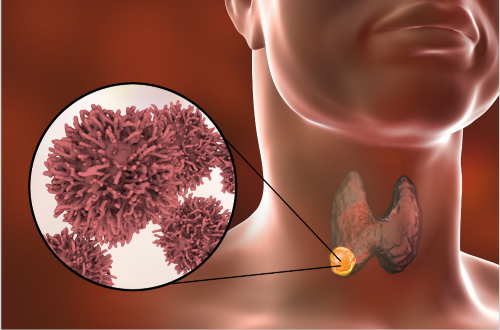
Laryngeal cancer is classified by its primary site into primary and secondary laryngeal cancer. Primary laryngeal cancer refers to tumors originating in the larynx, accounting for over 90% of cases, with relatively high differentiation. Secondary laryngeal cancer refers to malignant tumors metastasizing to the larynx from other sites, which is relatively rare.
Overview of Laryngeal Cancer in Indonesia?
Laryngeal cancer ranks 12th among malignant tumors in Indonesian males, with approximately 2,500 new cases in 2022, accounting for 18% of head and neck tumors. Squamous cell carcinoma is the most common type (90%), followed by adenocarcinoma (5%) and other rare types (5%). Due to inconspicuous early symptoms and delayed diagnosis, the overall 5-year survival rate is only 45–55%, significantly lower than that of neighboring Singapore (65–70%).
Regarding risk factors, Indonesian laryngeal cancer patients are primarily affected by three major factors: First, smoking and betel nut chewing habits—male smoking rates in Sumatra and Kalimantan reach 65%, with betel nut chewing rates exceeding 40%. Second, HPV infection, particularly HPV-16, is closely associated with laryngeal cancer in younger patients. Additionally, long-term exposure to industrial pollution and occupational carcinogens is another significant trigger, with the incidence rate among workers in Jakarta’s industrial zones being 2.3 times higher than in the general population.
What Are the Clinical Manifestations of Laryngeal Cancer?
1. Glottic Cancer: Early symptoms mainly include hoarseness, sore throat, and ear pain. Thyroid cartilage pain and airway obstruction usually occur as late-stage symptoms.
2. Supraglottic Cancer: Mild to moderate dysphagia is the most common initial symptom, with some patients describing a sensation of obstruction during swallowing. Hoarseness is not a primary symptom unless the lesion has invaded the vocal cords. Supraglottic cancer has a high rate of lymph node metastasis, often presenting as a neck mass. Advanced lesions may involve a wide range of symptoms, including ear pain, choking while drinking, dysphagia, dyspnea, and weight loss. Foul-smelling breath may occur due to tumor necrosis and infection, and deep ulcerations carry a risk of significant bleeding.
3. Subglottic Cancer: Early symptoms are nonspecific and easily misdiagnosed. When the tumor progresses significantly, symptoms such as irritating cough and hemoptysis may appear. Subglottic obstruction can lead to dyspnea, and hoarseness occurs if the tumor invades the vocal cords.
How to Diagnose Laryngeal Cancer?
1. Hematological Tests: Typically include complete blood count, blood biochemistry, coagulation system analysis, viral marker analysis, and thyroid function tests.
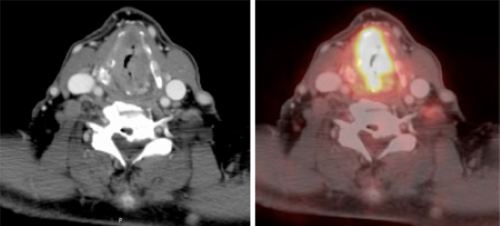
2. Imaging Studies: Divided into local and systemic examinations. Local imaging assesses tumor invasion extent and regional lymph node metastasis status, while systemic imaging evaluates potential distant metastases.
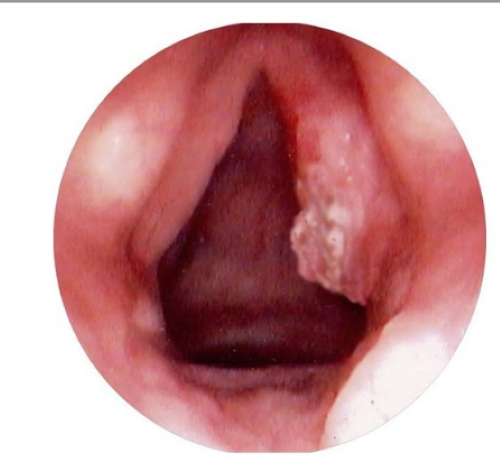
3. Pathological Examination: Tumor tissue can be obtained via nasopharyngoscopy or through neck lymph node biopsy to confirm diagnosis and determine tumor differentiation. Additionally, patients should undergo oral evaluation and corresponding treatment at a dental clinic.
What Are the Treatment Options for Laryngeal Cancer?
Laryngeal cancer is typically treated with radiotherapy, surgery, chemotherapy, and targeted therapy. Radiotherapy and surgery are the primary methods, while some patients may receive chemotherapy. Doctors will select a single or combined therapy based on the patient’s needs. Generally, patients who respond well to induction chemotherapy still require concurrent chemoradiotherapy, though many Chinese patients cannot tolerate it. Therefore, radiotherapy combined with targeted therapy can replace concurrent chemoradiotherapy, with efficacy comparable to the latter. Radiotherapy uses high-energy rays to destroy tumor cells and inhibit their growth by targeting tumor tissue and damaging cancer cell chromosomes, leading to cell death.
1. Glottic Cancer: The 5-year survival rate with radiotherapy alone is 65–95%. If radiotherapy fails, salvage surgery can achieve a final 5-year survival rate of 80–100%.
2. Supraglottic Cancer: Radiotherapy is less effective for supraglottic cancer than for glottic cancer. Combined surgery and radiotherapy yield higher efficacy, approaching 50–60%. For advanced supraglottic cancer, the 5-year local control rate can reach 85%.
3. Subglottic Cancer: The 5-year survival rate for early-stage subglottic cancer treated with radiotherapy alone is 40–50%. Mid-to-late-stage cases often involve varying degrees of airway obstruction, making surgery the primary treatment.
What Advanced Technologies Does Fosun Health Greater Bay Area General Hospital Offer for Laryngeal Cancer Treatment?
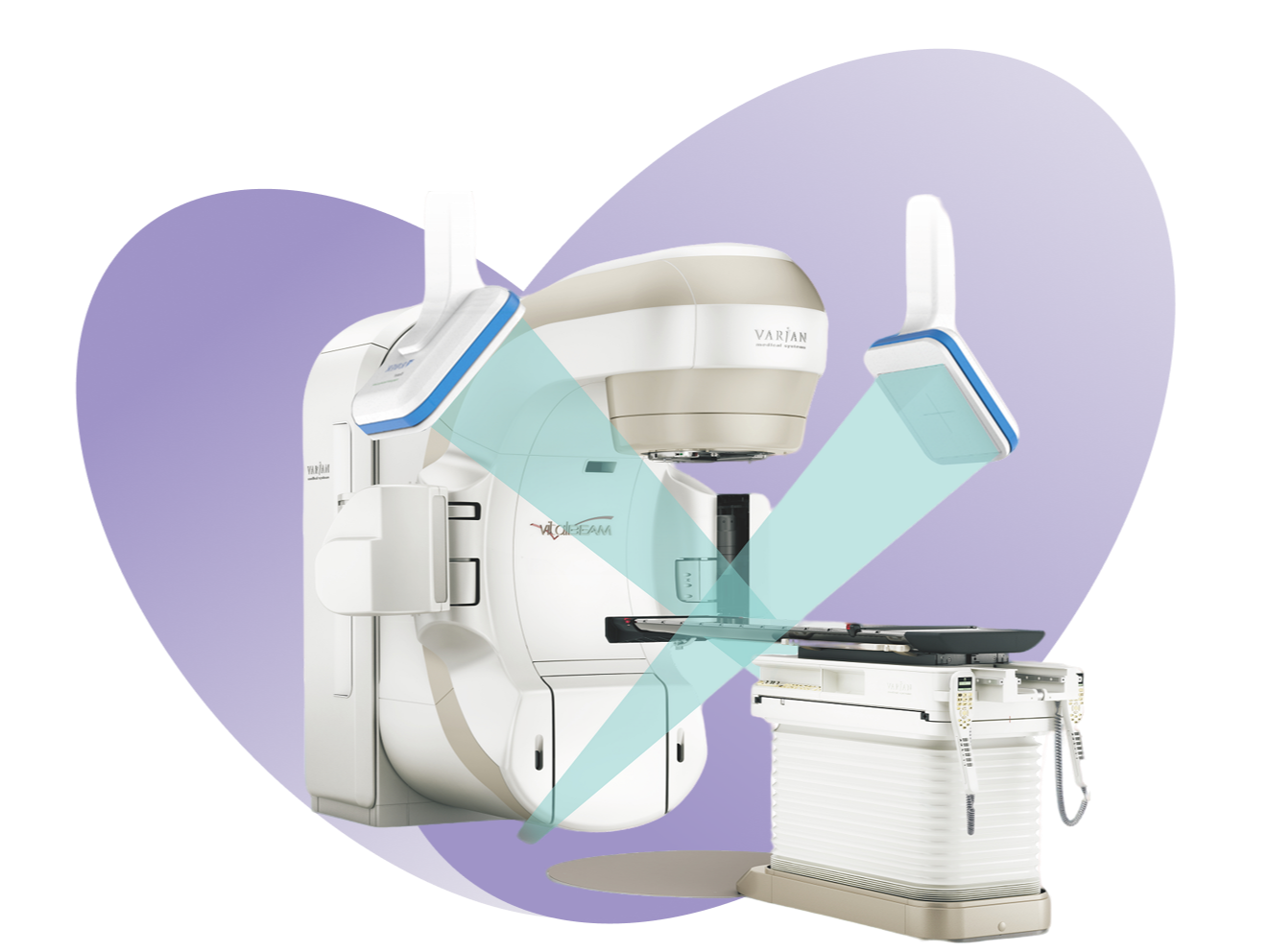
· Vital-Beam Intelligent Full-Function Precision Accelerator System:
The VitaBeam linear accelerator is equipped with CBCT, enabling real-time tumor position monitoring during treatment. This minimizes damage to healthy tissues, reducing side effects and discomfort. Its highly precise radiotherapy technology delivers curative radiation doses to the tumor site, achieving radical tumor elimination. Benefits include shorter treatment duration, higher efficacy, controllable risks, and significantly reduced costs—potentially less than half the expense, with radiotherapy time shortened by 80%.
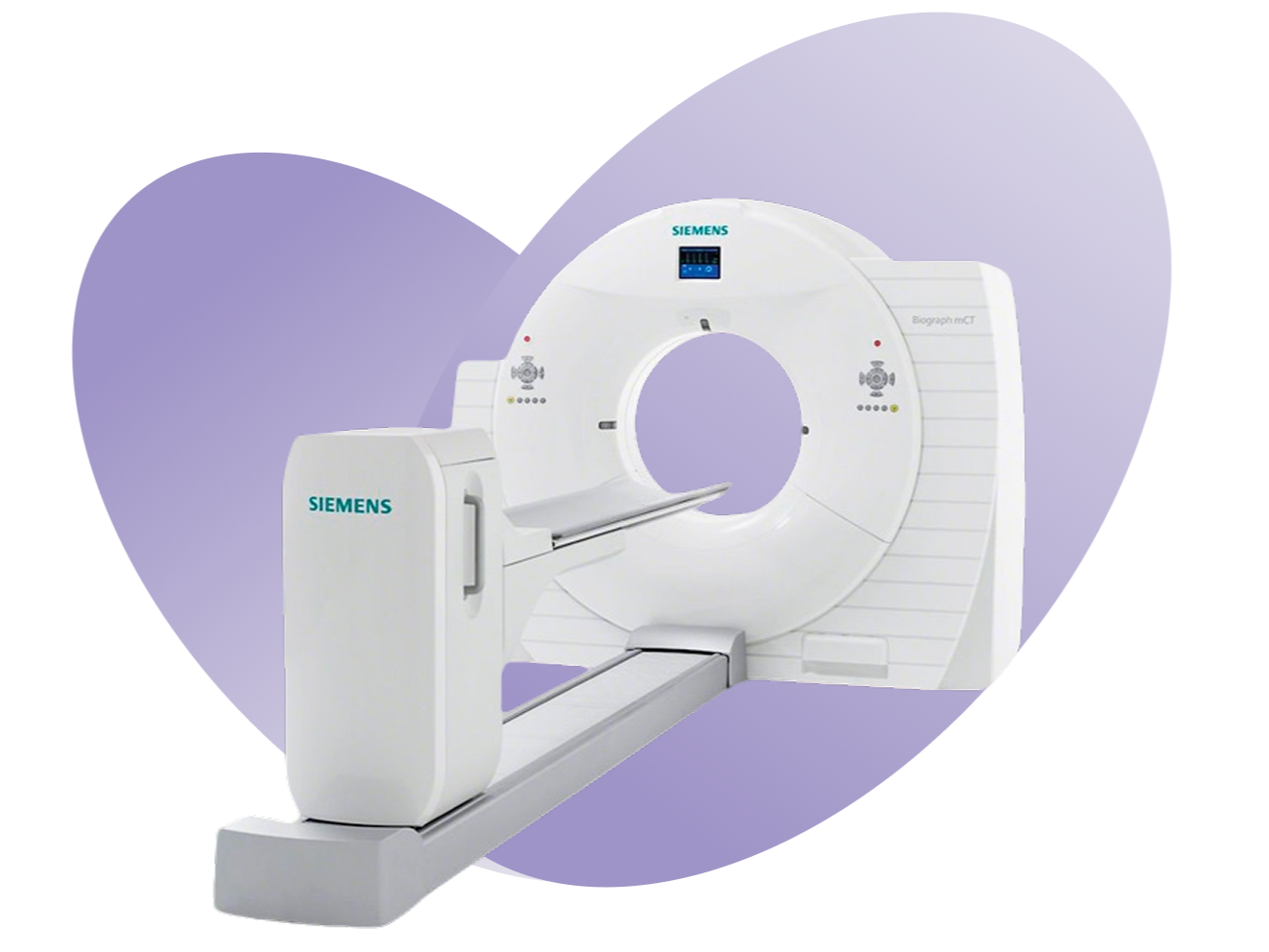
· PET-CT Diagnosis:
PET/CT is a non-invasive functional and structural imaging method. Compared to conventional imaging (ultrasound, CT, MRI, etc.), it enables comprehensive whole-body lesion screening in a single session, offering higher sensitivity, accuracy, and early detection. It is considered one of the best diagnostic and treatment guidance tools for tumors.
· Sino-US Multidisciplinary Expert Consultation (MDT):
The participating experts are from renowned oncology institutions in China and abroad, with extensive clinical experience in cancer diagnosis and treatment. They employ advanced medical concepts, cutting-edge techniques, and medications to serve patients.