What is Bone Metastasis?
Bone metastasis is one of the three most common metastatic pathways for many malignant tumors. With the continuous improvement of anticancer treatments, the survival time of advanced cancer patients has been prolonged, leading to an increasing incidence of malignant tumor bone metastasis.
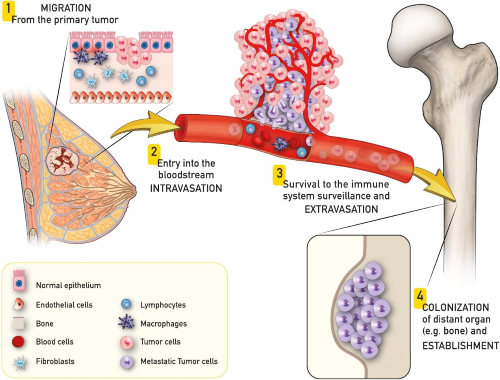
What are the symptoms of bone metastasis?
The primary clinical symptom of bone metastasis is bone pain. In the early stages, bone pain mostly presents as intermittent dull pain, which progressively worsens and becomes persistent. As the bone metastatic lesions progress, the pain intensifies into continuous severe pain. When bone metastasis worsens and causes nerve damage or compression, patients may develop complex pain syndromes and neuropathic pain.
1. Pathological fractures: These are prone to occur in weight-bearing areas with bone metastasis, such as the femoral head, femur, and spine.
2. Spinal cord compression and nerve root compression: Over 75% of cases are caused by vertebral metastasis. Spinal cord and nerve root compression result from metastatic lesions extending posteriorly into the epidural space or vertebral collapse due to compression fractures.
3. Mobility impairment and complications: Malignant bone metastasis can lead to restricted movement due to worsening local bone pain or swelling.
4. Hypercalcemia.
What are the conventional diagnostic methods for bone metastasis?
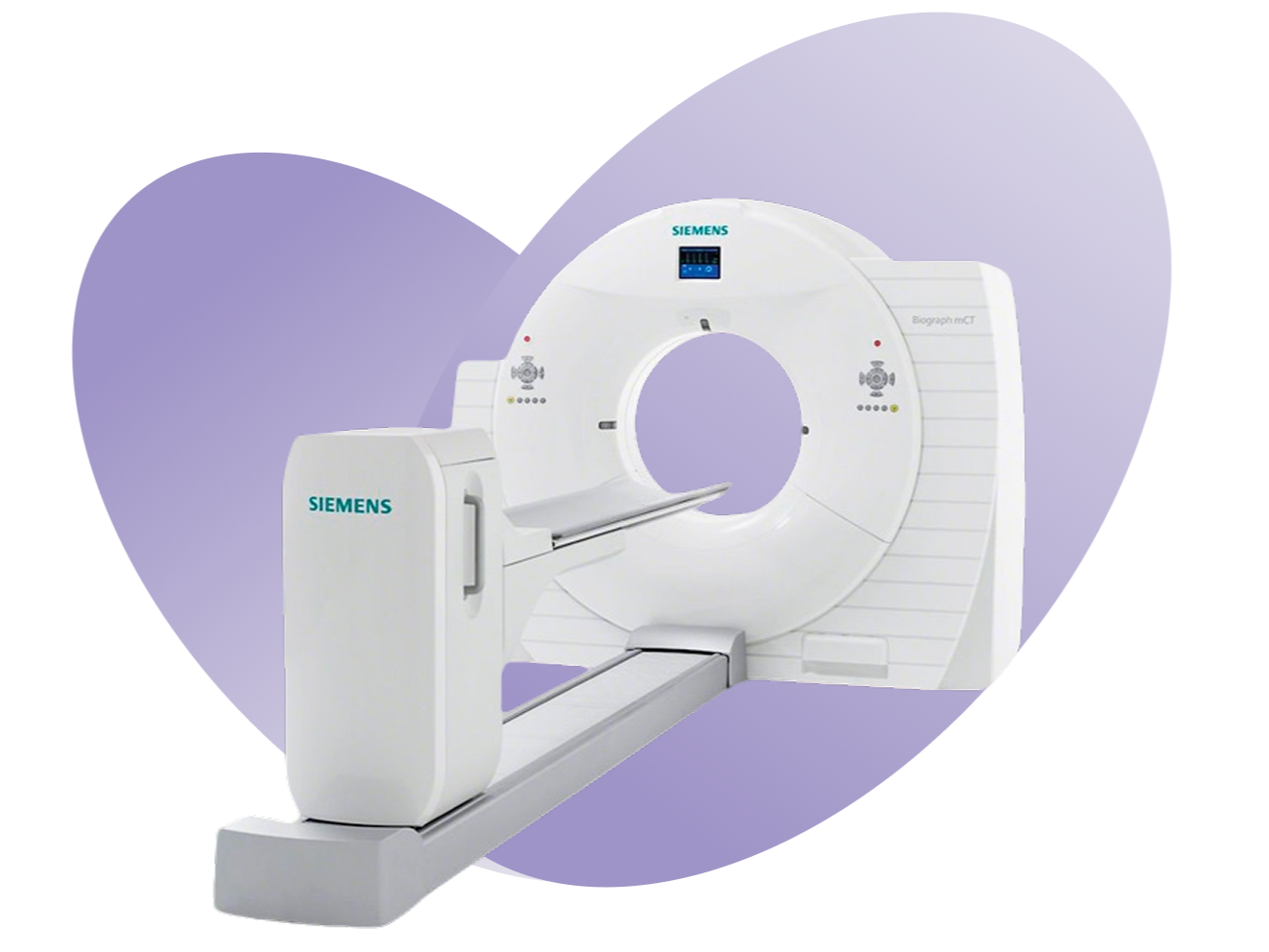
Diagnostic methods include radionuclide bone scan, X-ray, CT, MRI, PET-CT, angiography, digital subtraction angiography, and ultrasound. Among these, bone scans exhibit the highest sensitivity.
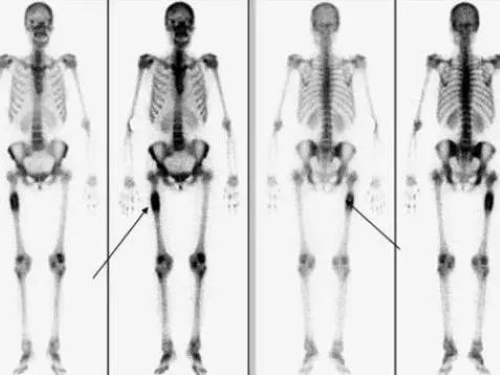
What are the treatment options for bone metastasis?
Currently, anticancer treatments are rarely curative for advanced cancer patients with bone metastasis. Therefore, the treatment of malignant bone metastasis focuses on palliative care to alleviate symptoms and improve quality of life.
Radiation Therapy
The primary roles of radiation therapy in treating malignant bone metastasis are:
1. Alleviating bone pain;
2. Reducing the risk of pathological fractures;
3. Promoting the healing of pathological fractures;
4. Controlling the progression of bone metastatic lesions.
Radiation therapy achieves an 85% efficacy rate in relieving localized bone pain, with complete pain relief in 27–50% of cases. Pain relief typically begins 10–14 days after treatment, with 70% of patients experiencing some degree of pain reduction within two weeks. By three months, 90% of patients achieve pain relief.
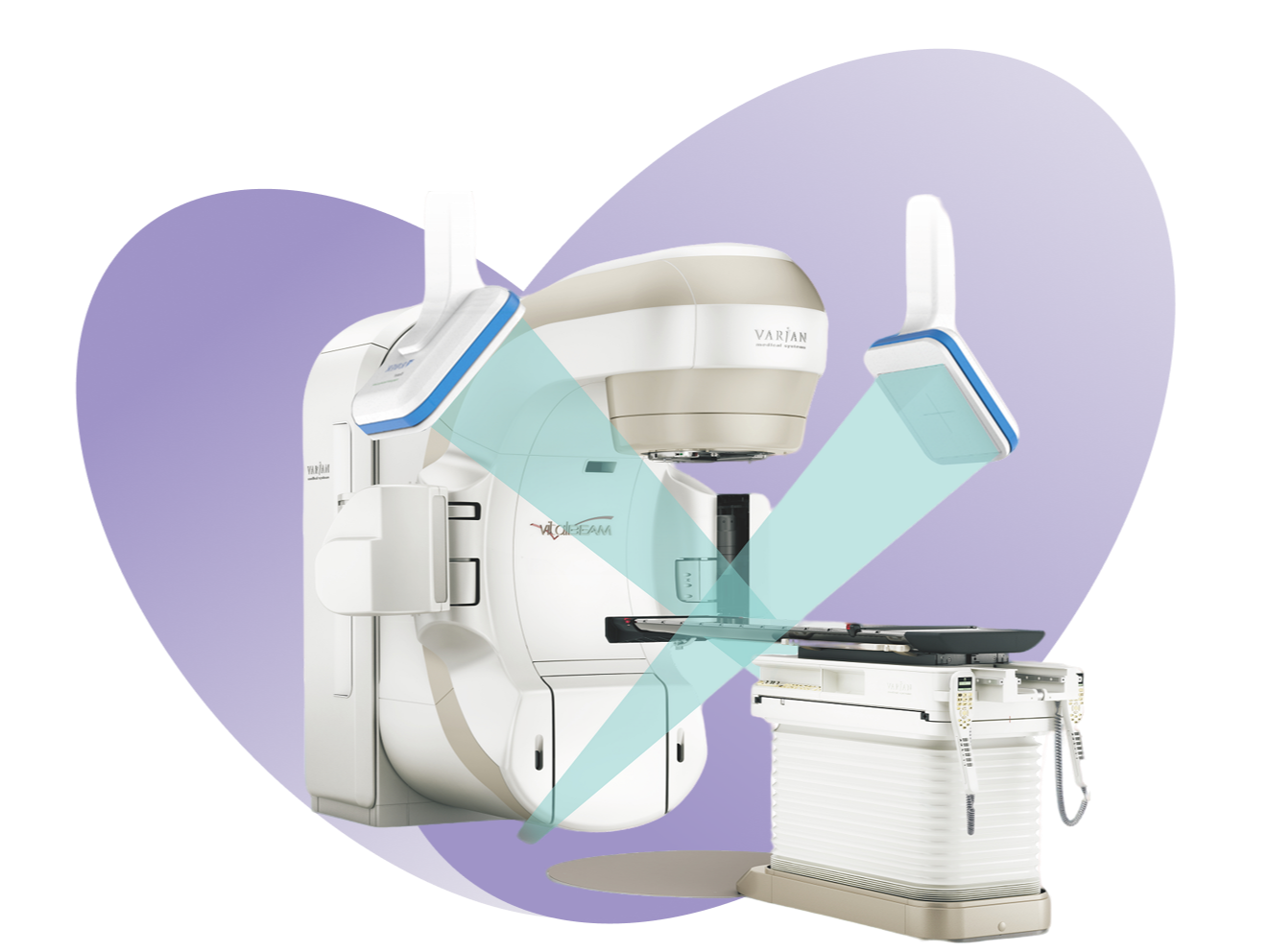
Precision Radiation Therapy at Fosun Health Greater Bay Area Hospital: Short treatment duration, high precision, excellent tumor control rates, and minimal side effects.
Three-Step Analgesic Ladder for Cancer Pain
1. Administer drugs by the ladder principle;
2. Administer drugs on a scheduled basis;
3. Tailor drug selection to individual needs.
Surgical Treatments Include
1. Radical surgery: Wide resection + prosthetic or artificial material reconstruction.
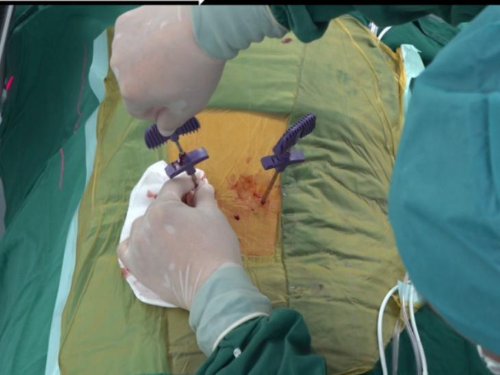
2. Open palliative surgery: Tumor inactivation + curettage + bone cement filling with internal fixation or prosthetic replacement.