
2026-01-12
Recently, the Department of Neurology at Foshan Fosun Chancheng Hospital successfully performed a Woven EndoBridge (WEB) intrasaccular embolization for a patient with a complex anterior cerebral artery aneurysm, effectively eliminating a life-threatening “ticking time bomb” within the brain. This procedure marks the hospital's first successful application of the WEB device, signifying the addition of a new advanced option to its neurointerventional treatment arsenal.
1. A Recurring Aneurysm Poses New Risks Traditional Methods Face Challenges
Mr. Wang (pseudonym), a 55-year-old patient, suffered a rupture of an anterior communicating artery aneurysm five years ago, resulting in subarachnoid hemorrhage. He underwent endovascular treatment at a local hospital at that time. Due to irregular postoperative follow-up, he recently developed physical discomfort and subsequently presented to the neurology outpatient clinic of Foshan Fosun Chancheng Hospital.
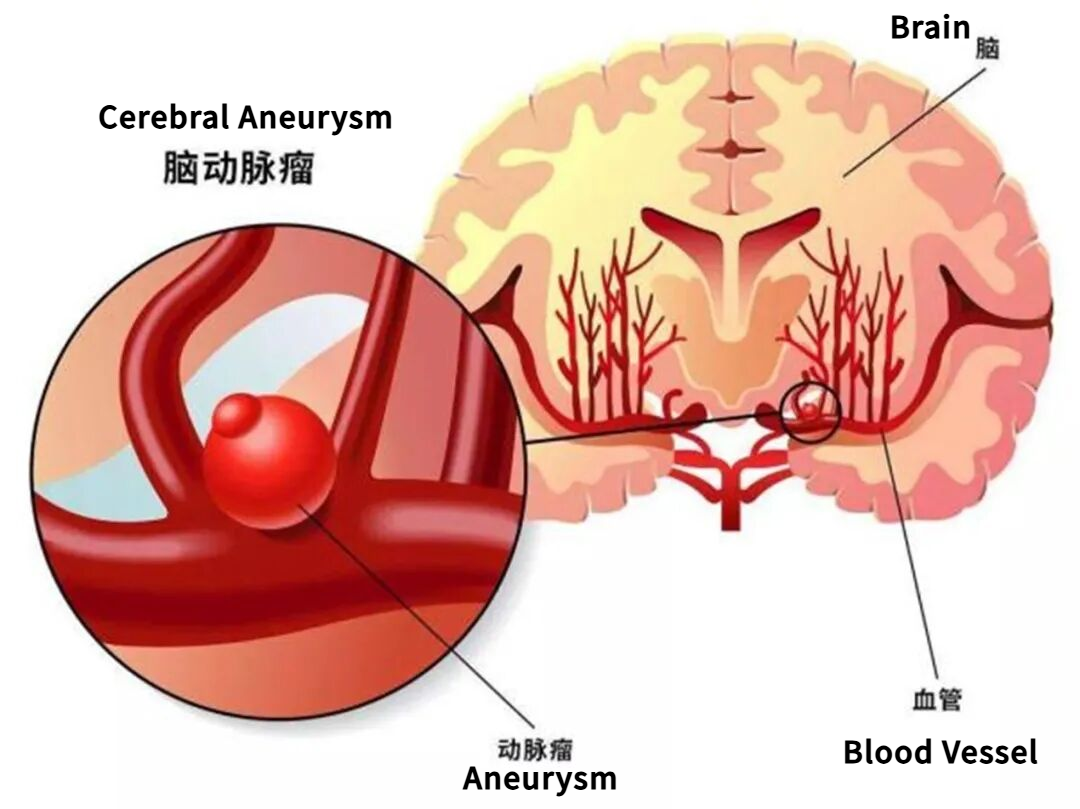
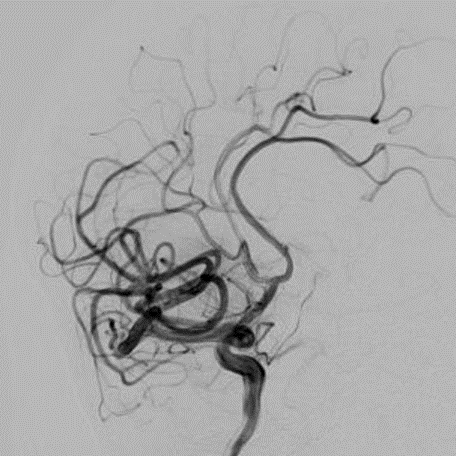
Following admission, cerebral angiography revealed recurrence of the previously treated anterior communicating artery aneurysm, measuring approximately 5 mm with an irregular morphology. The risk of rupture was extremely high, and urgent intervention was required.
For intracranial aneurysms, traditional open surgical clipping is associated with significant trauma and prolonged recovery. Minimally invasive endovascular therapy, with less trauma and faster recovery, has therefore become the mainstream approach. However, Mr. Wang’s case was particularly challenging: as a recurrent aneurysm with a relatively large and irregular sac, conventional stent-assisted coil embolization would entail high technical difficulty, increased procedural risk, and a persistent possibility of recurrence.
2. A Tailored WEB Solution:Precision "Neutralization" of the Aneurysm
To ensure procedural safety, the neurointerventional team at Foshan Fosun Chancheng Hospital conducted multiple preoperative multidisciplinary discussions and held in-depth consultations with Professor Li Xifeng from Zhujiang Hospital of Southern Medical University. After comprehensive evaluation, detailed patient communication, and full disclosure of treatment options and potential risks, a personalized WEB device implantation strategy was selected.
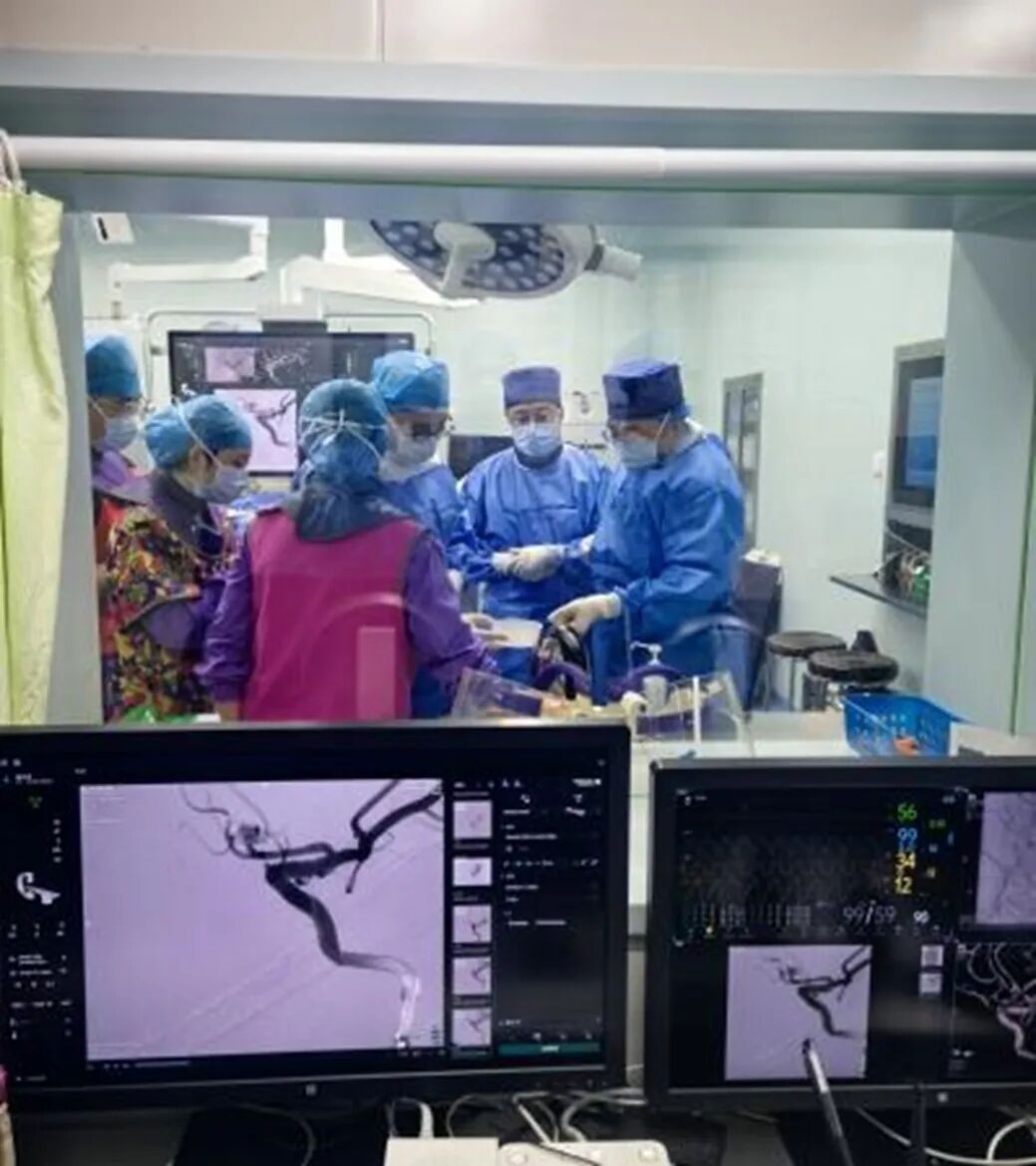
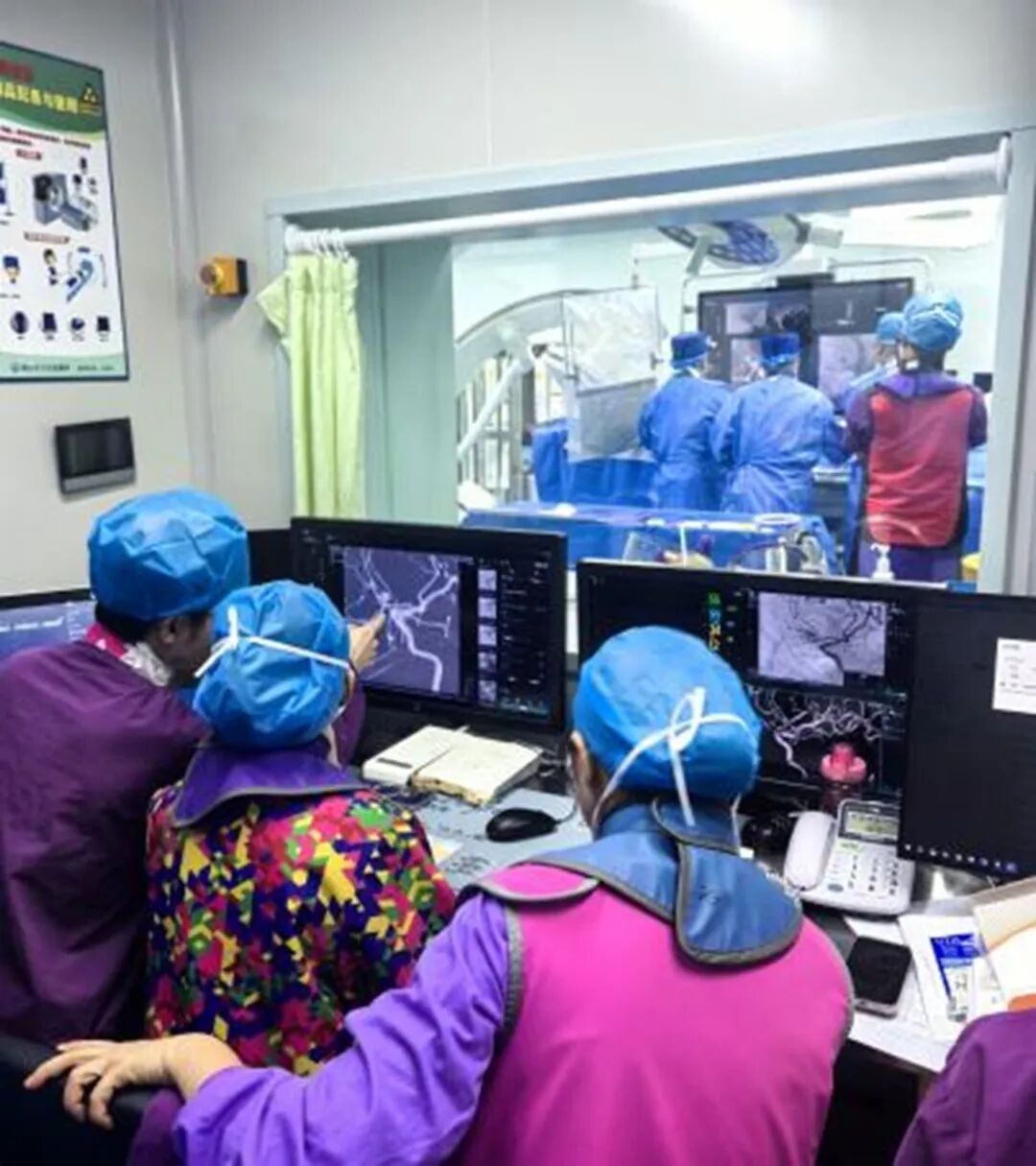
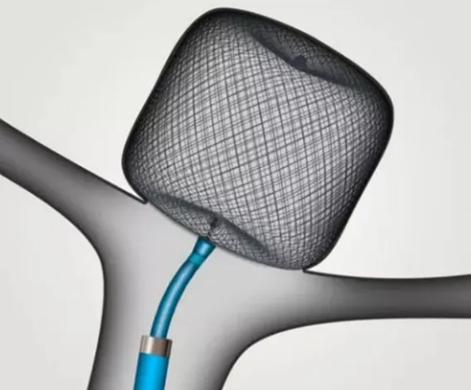
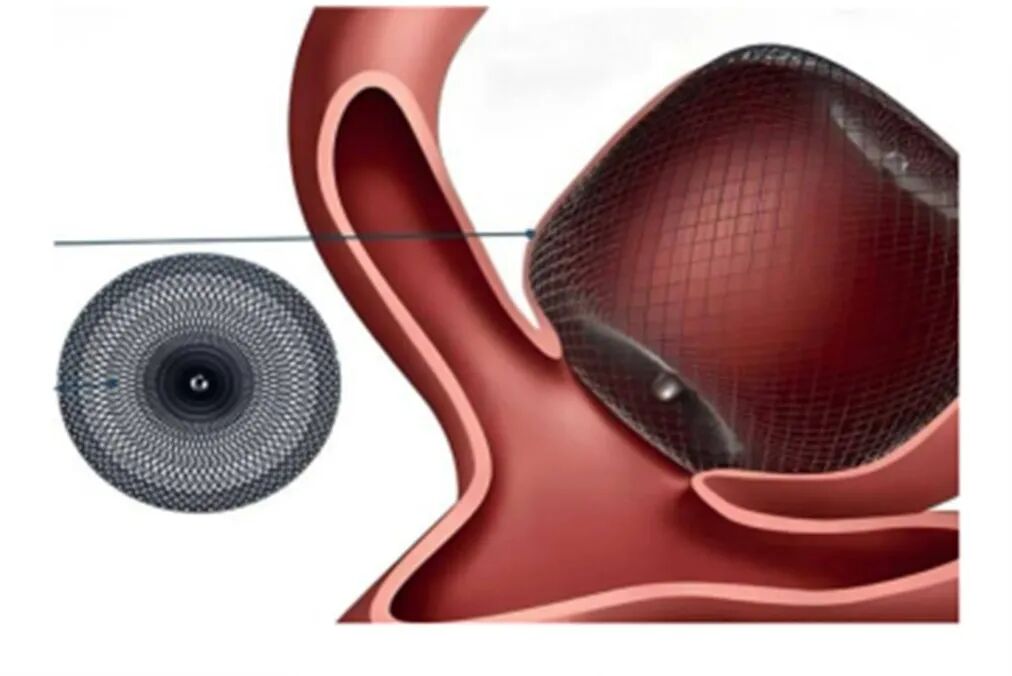
On December 30, under the guidance of Professor Li Xifeng, the interventional team precisely navigated a microcatheter to deliver and deploy the WEB device into the anterior communicating artery aneurysm sac. Following deployment, the device self-expanded to fully fill the aneurysm cavity. Postoperative angiography demonstrated complete exclusion of the aneurysm with no residual filling, while the parent artery remained patent. The procedure was completed successfully.
Encouragingly, Mr. Wang was able to ambulate on postoperative day two, experienced no discomfort throughout recovery, and demonstrated an excellent postoperative outcome.
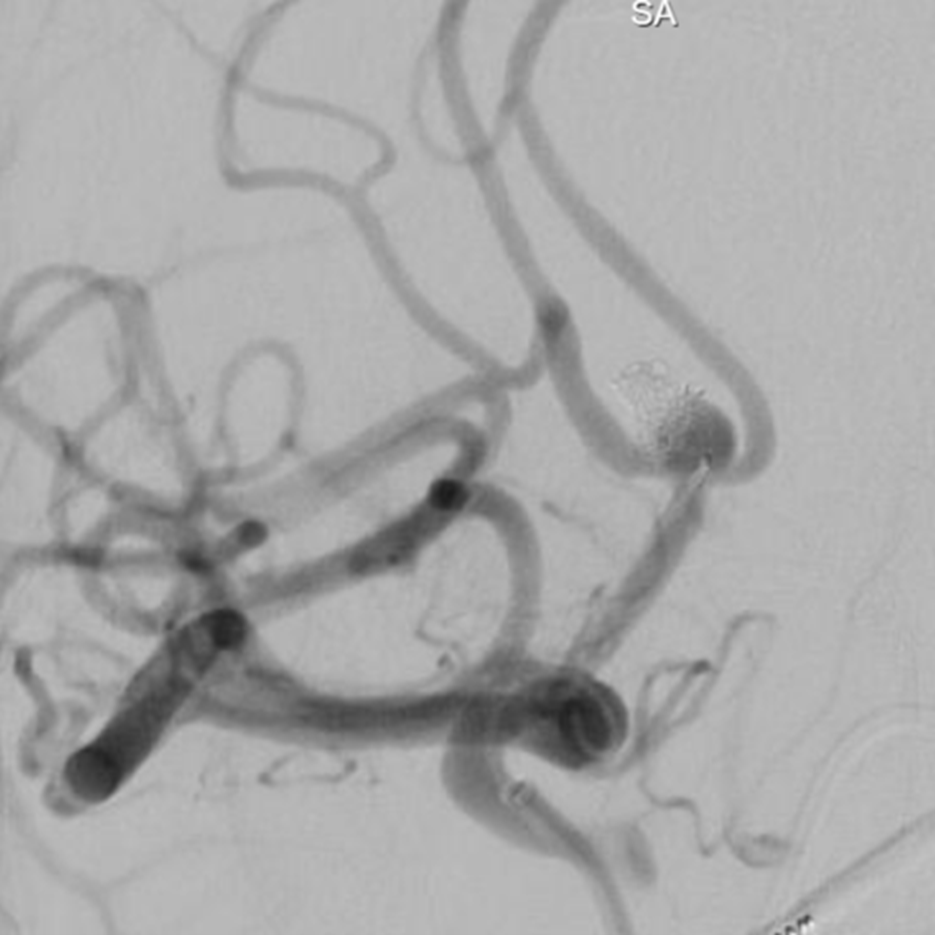
3. Technical Insight: The WEB Device a New Choice for Aneurysm Treatment
Compared with traditional endovascular techniques, the WEB device offers several distinct advantages: no need for adjunctive stent placement, minimal impact on parent artery blood flow, and no requirement for long-term antiplatelet therapy, significantly reducing the risk of bleeding. It is particularly suitable for certain complex and recurrent intracranial aneurysms.
Wu Xihua, Director of Neurology Division I at Foshan Fosun Chancheng Hospital, stated: “The successful completion of our first WEB embolization procedure is the result of precise teamwork and continuous exploration of cutting-edge technologies. Our neurology department remains committed to keeping pace with advances in the field, improving technical capabilities, and expanding treatment options—so that patients can access advanced, high-quality medical care right in their local community.”
Special Note ⚠️
Not all intracranial aneurysms are suitable for WEB device treatment. A personalized treatment plan must be determined by an experienced neurointerventional specialist, based on a comprehensive assessment of aneurysm size, morphology, location, and individual patient factors.