
2025-11-11
At the 8th China International Import Expo (CIIE), Foshan Fosun Chancheng Hospital and SciClone Pharmaceuticals entered into a strategic cooperation agreement. This partnership aims to deepen the clinical application of the oral SERD drug Elacestrant in treating late-stage breast cancer. As the first designated medical institution in Foshan under the "Greater Bay Area Drug and Medical Device Connect" policy, this oral medication, hailed by oncologists as a "new option for endocrine resistance," is already bringing new hope to local patients with HR+/HER2- advanced breast cancer.
The Challenge in Late-Stage Breast Cancer Treatment:
Therapeutic Impasse Following Acquired Resistance to Endocrine Therapy
Patients with HR+/HER2- advanced breast cancer often rely on endocrine therapy. However, about 50% of patients develop resistance within 1-2 years of treatment, facing therapeutic impasse. "After resistance to traditional endocrine therapy develops, patients might only have chemotherapy left, which not only has significant side effects but also impacts quality of life," explained Prof. Zeng Zhiqiang, chief physician of the breast surgery department, Foshan Fosun Chancheng Hospital. He added that some postmenopausal patients, due to physical weakness, cannot even tolerate chemotherapy.

Elacestrant:
3 Key Advantages, Reshaping Endocrine Treatment
As a globally advanced SERD (Selective Estrogen Receptor Degrader) drug introduced via the "Hong Kong and Macao drug and medical device transit" policy, Elacestrant addresses the limitations of traditional treatments through its unique mechanism and design:
1. New Option for Resistant Patients: It directly degrades the estrogen receptors on cancer cells, rather than just blocking them. It remains effective even for patients whose disease progressed after prior CDK4/6 inhibitor treatment (e.g., palbociclib). Clinical data shows it can extend progression-free survival.
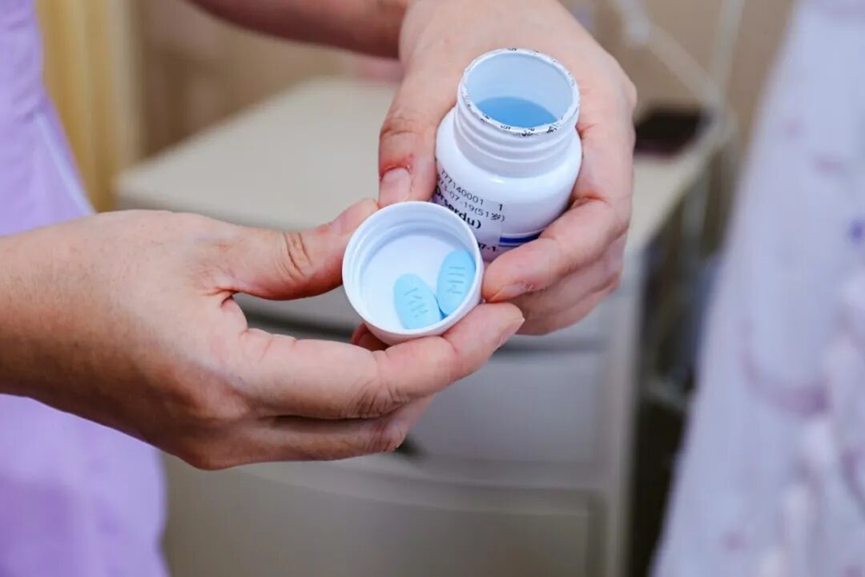
2. Convenient Oral Administration: Taken once daily orally, it eliminates the need for hospital infusions. Patients can take it regularly at home, reducing time spent traveling to the hospital and avoiding the discomfort of IV lines.
3. Manageable Safety Profile: Compared to chemotherapy, its side effects are primarily mild gastrointestinal reactions (e.g., nausea), with lesser impact on the blood system, liver, and kidney functions. It is generally well-tolerated even by elderly patients, reducing the need for frequent blood monitoring.
Clear Target Population:
Such patients can benefit
Based on the "Hong Kong and Macao drug and medical device transit" clinical application guidelines and the hospital's previous cases, Elacestrant is primarily suitable for:
- Patients diagnosed with HR+/HER2- advanced or metastatic breast cancer.
- Patients whose disease progressed after at least one prior line of endocrine therapy (including a CDK4/6 inhibitor).
- Postmenopausal women (natural or artificially induced), or premenopausal women receiving concurrent GnRH agonist therapy.
- Patients unable to tolerate chemotherapy, or those preferring oral treatment to maintain quality of life.

International Patient Experience:
From "Chemo-Intolerant" to "Normal Life"
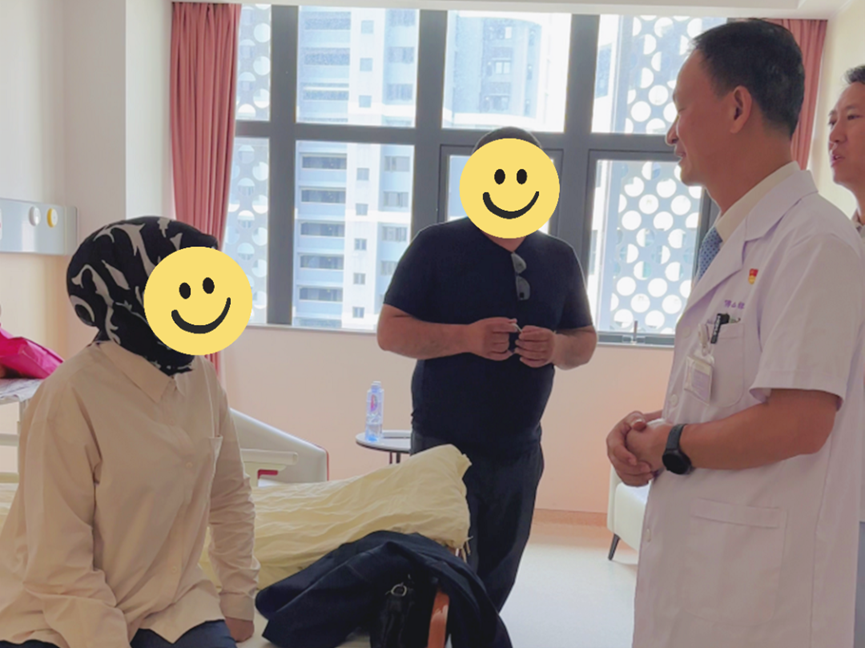
Farida, a 35-year-old patient from Kazakhstan, had undergone a six-year battle against cancer. In 2019, she was diagnosed with invasive ductal carcinoma of the left breast in St. Petersburg, Russia, and received surgery, chemotherapy, and radiotherapy. However, the cancer recurred in 2022 with metastases to both lungs and the lumbar spine. Chemotherapy had to be discontinued due to severe side effects.
By May this year, her traditional endocrine therapy had failed, and the tumors showed progression. Fortunately, Farida's genetic testing was positive for an ESR1 mutation, indicating a new potential treatment target. Learning about Foshan Zenvo Hospital's newly introduced oral SERD targeted drug for ESR1 mutations through an international medical platform, she traveled from Kazakhstan to Foshan. She began treatment with Dalpiciclib (a CDK4/6 inhibitor) combined with Elacestrant. After one month of treatment, her tumor markers decreased significantly, uncomfortable symptoms eased, and her quality of life improved substantially.
International-Level Breast Cancer Treatment Close to Home
This signing at CIIE signifies that Foshan Zenvo Hospital will further expand the clinical application of Elacestrant. "Through the 'Greater Bay Area Drug and Medical Device Connect' policy, we are bringing globally synchronized breast cancer treatment options to the local community, allowing patients to access advanced oral medications without needing to travel to Hong Kong or Macao," Prof. Zeng Zhiqiang stated.

Chief Physician, Department of Breast Surgery, Foshan Fosun Chancheng Hospital
Free Consultation