
2025-10-20
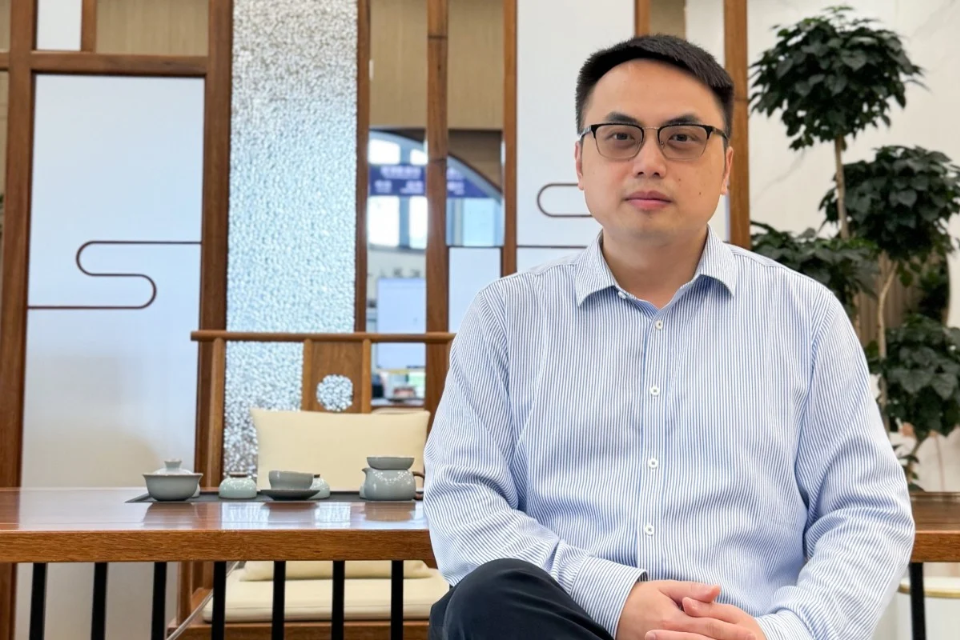
Driven by accelerating healthcare demand, Fosun Health plans to target markets in South Asia, Southeast Asia and the Middle East to capitalise on their economic growth and fragmented health systems, according to chairman and CEO Frank Hu Hang.
The subsidiary of Hong Kong-listed Shanghai Fosun Pharmaceutical (Group) operates 19 hospitals, clinics and third-party diagnostics centres in mainland China. Four of these are in Foshan, Guangzhou, Shenzhen and Zhuhai – cities that are part of the Greater Bay Area that includes Hong Kong, Macau, Dongguan, Huizhou, Jiangmen, Zhaoqing and Zhongshan.
“We genuinely see that there is significant unmet demand in the international medical markets in the post-Covid-19 era,” Hu said in an interview. “Our goal is to position ourselves as a viable solution for patients whose needs cannot be fully met locally.”
While medical tourism is currently concentrated in Singapore and Thailand, Fosun wants to corner a share of the market, attracting overseas patients to China, especially to the Greater Bay Area.

Fosun Health is a subsidiary of Hong Kong-listed Shanghai Fosun Pharmaceutical
Hu said Indonesia faced a shortage of health professionals, with just 0.6 doctors for every 1,000 people. According to a 2024 report from PwC, this ratio ranged between 2.4 and 3.8 in the mainland’s nine Greater Bay Area cities.
"We are actively promoting Fosun’s medical standards overseas to demonstrate our superior treatment capabilities," said Hu.
Since last year, the Fosun Chancheng Hospital in Foshan has been treating a small number of patients from Bangladesh, Indonesia, Japan and Peru.
Hu said Fosun had established a unified medical service platform that integrates comprehensive general hospitals with specialised facilities and connects online and offline care delivery channels.
Overseas patients seeking treatment at the Chancheng hospital – known for spine orthopaedics, urology and treatments for women and children – can engage in teleconsultation with doctors about the medical procedures before coming.
Many overseas clients, including Chinese living abroad, have become increasingly confident in the medical services and technologies in China. Hospitals in the Greater Bay Area are also likely to benefit from the shorter flying time from cities in Southeast Asia compared with travelling to Beijing or Shanghai.
Fosun Health remained focused on Southeast Asia, South Asia and the Middle East, as these regions not only showed the strongest spillover demand for high-quality healthcare but also aligned strategically as key Belt and Road Initiative partners, in line with the nation’s strategy, Hu said.
The proliferation of artificial intelligence in the medical sector is having a profound impact on healthcare management, primarily in areas such as auxiliary diagnosis, diagnostics quality control and personalised health management services, according to Hu.
In terms of auxiliary diagnosis, AI tools are being deployed in healthcare information systems to assist doctors in generating treatment recommendations, although the ultimate decision-making power remains with the doctor.
Personalised health management services were a growth area, according to Hu..
“AI can design targeted health-management plans based on individual medical history, professional judgment and external knowledge bases, particularly for patients who have undergone surgery or have chronic conditions,” he said.
Source: South China Morning Post