
2025-06-05
"Converging Intelligence, Pioneering Health Frontiers" | Fosun Global AI Innovation Conference - Healthcare Session Held in Shanghai
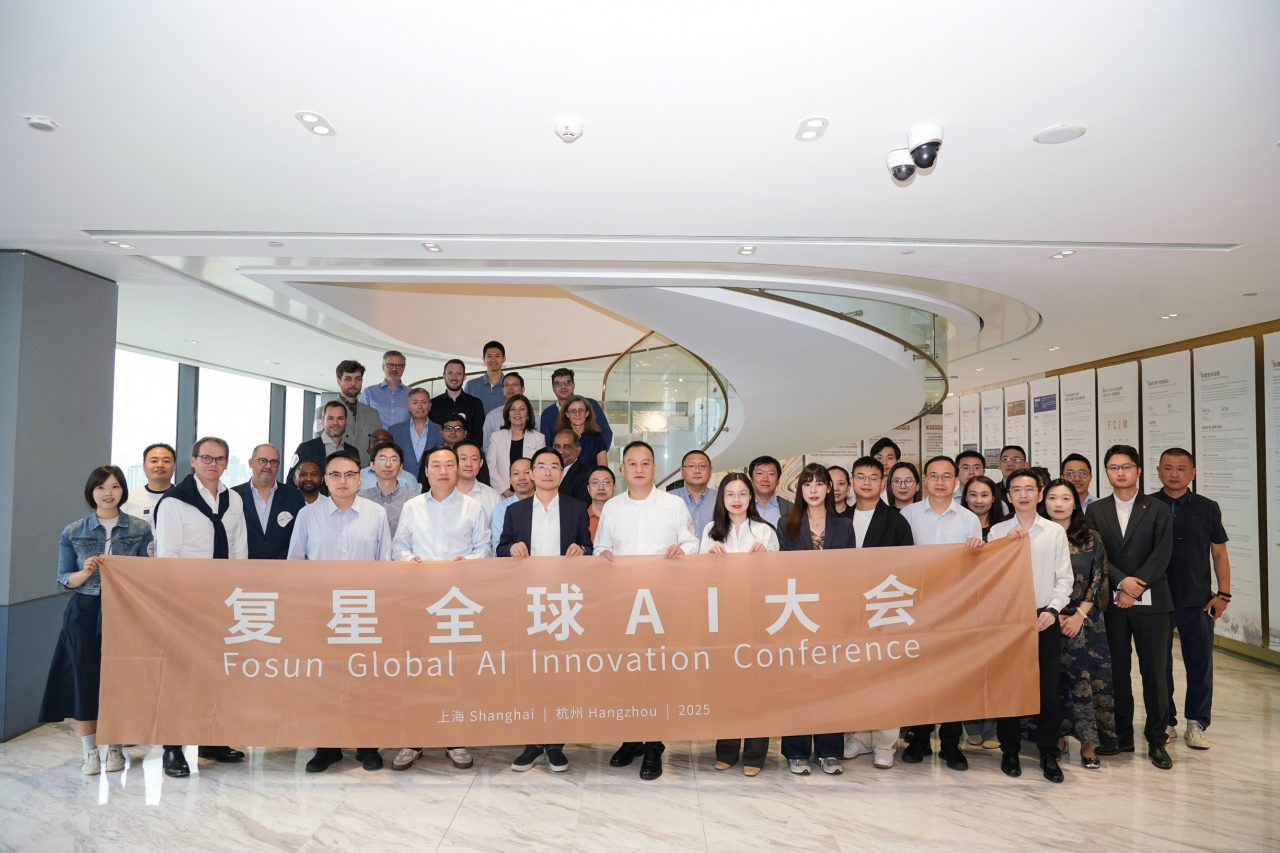
On May 28, 2025, the Fosun Global AI Innovation Conference - Healthcare Session was successfully held in Shanghai. Co-hosted by Fosun Group and Fosun Health under the theme "Intelligence Converging for Healthcare's New Horizons", the event brought together experts from the China Academy of Information and Communications Technology (Shanghai Industrial Innovation Center), Chinese Research Hospital Association, and leading AI healthcare firms like Seny Intelligence, alongside senior leadership from across Fosun's ecosystem. Participants engaged in robust discussions on innovative AI applications and implementation strategies in healthcare, focusing on breakthrough technologies reshaping clinical decision-making, hospital operations, and patient outcomes.
01
Frontier Insights: AI Reshaping the Healthcare Ecosystem
The conference opened with authoritative experts outlining the future blueprint of AI in healthcare from a macro perspective.
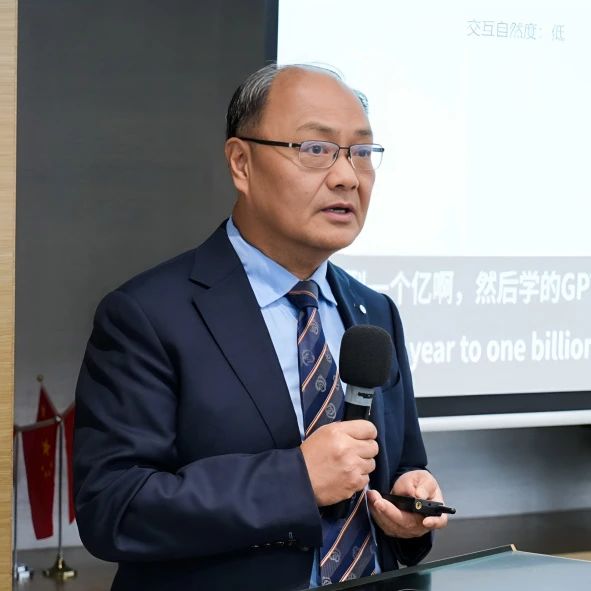
Fang Jinwu, Deputy General Manager of the CAICT Shanghai Industrial Innovation Center, highlighted that AI technology is currently evolving along dual tracks—horizontal generalization and vertical specialization. Horizontally, large models are progressing toward Artificial General Intelligence (AGI), while vertically, they are deepening their integration in specialized fields like healthcare. With rapid advancements in embodied intelligence, large-scale models, swarm intelligence, brain-inspired computing, and spatial intelligence, AI is accelerating its convergence with the healthcare industry. He emphasized that future hospitals and AI-driven drug/device R&D stand as the two most promising application scenarios.
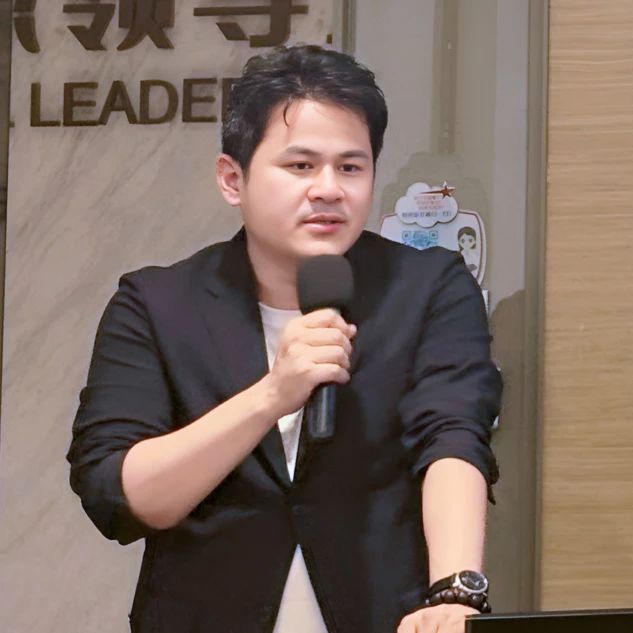
Chen Jinxiong, Vice Chairman of the Medical Informatization Branch, Chinese Research Hospital Association, proposed that AI will reshape healthcare through four key dimensions:
l Capability leap (enhanced diagnostics, predictive analytics)
l Paradigm shift (AI-augmented clinical workflows)
l Interaction revolution (natural language interfaces, virtual assistants)
l Technological democratization (accessible AI tools for diverse healthcare settings)
He stressed that hospitals will become the primary battleground for medical AI, and successful integration must align with clinical logic and real-world workflow coherence.
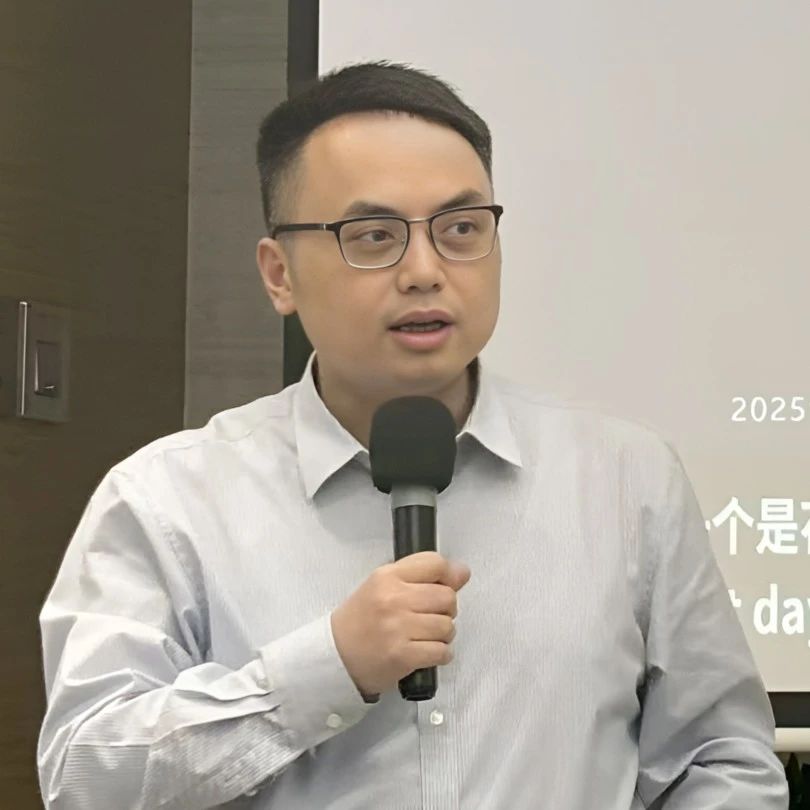
Feng Jun, Chief Data Officer of Seny Intelligence, shared insights from their AI-powered clinic pilot in Saudi Arabia. Designed to address uneven medical resource distribution and high treatment costs, the clinic introduced an "AI-first physician collaboration" model, initially covering 30 common respiratory diseases to deliver affordable, scalable healthcare in underserved regions.
02
Fosun Team Explores AI Application Landscape: From Strategy to Implementation
Gao Min, Fosun Global Partner, Vice President of Fosun International, Co-President of the Health Industry Operation Committee, and Co-Chairman of BabyTree, stressed the need to embrace AI rationally and holistically, aligning it with business model innovation. She called for consolidating common AI needs to avoid redundant development while building specialized, personalized, interactive, and commercially viable AI products.
Hu Hang, Fosun Global Partner, Senior Vice President of Fosun Pharma, and CEO of Fosun Health, highlighted AI’s full-scenario integration potential in healthcare. By leveraging Fosun Group’s AI strategy, Fosun Health is actively collaborating with external partners to advance AI in customer service, operations, marketing, and innovative care models like full-cycle disease management. He expressed hopes for deeper cooperation with industry leaders to accelerate AI’s real-world impact.
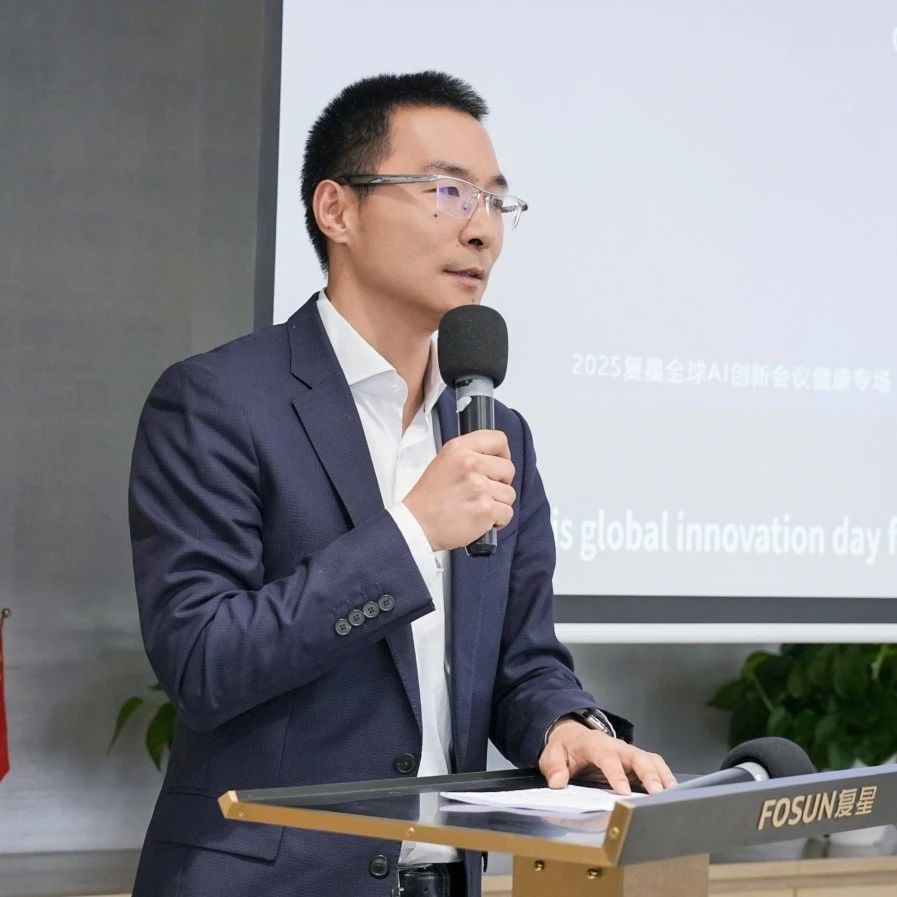
Shen Yun, Fosun Global Partner, Co-President, CFO, and CSO of Fosun Health, underscored AI’s expansive applications—from clinical diagnostics and health management to finance, legal, and HR analytics. Noting AI’s growing accessibility (平民化趋势), he advocated for stronger internal-external collaboration to drive in-depth discussions and project execution.
Zhao Xiaodong, Fosun Global Partner, Vice President of Fosun Health, Executive Vice President of Greater Bay Area General Hospital, and President of Fosun Chanceluck Hospital, described AI as a transformative industrial revolution. He urged all Fosun hospitals to “All in AI” under the group’s unified strategy, prioritizing demand-driven AI implementation to elevate medical services.
Furthermore, Experts from Luz Saúde (Portugal), Fosun Chanceluck Hospital, Jianjia Healthcare, and BabyTree—including Directors of Innovation, Deputy Heads of Health Services, Chief Physicians, and Quality Management Leads—showcased AI advancements in: Patient follow-up systems; Medical record quality control; Clinical research acceleration; AI-aided physician training; Maternal and child health solutions
03
The Future: AI-Empowered Healthcare, Building a New Ecosystem
The Fosun Global AI Innovation Conference – Healthcare Session served not only as a showcase for milestones in medical AI but also as a deep dive into the industry’s future trajectory. Experts unanimously agreed that AI has transitioned from proof-of-concept to large-scale deployment, with the next phase focusing on three core directions:
1. Deepening Vertical Applications – Developing standardized solutions for specialized areas like full-cycle disease management and medical record quality control.
2. Multimodal Technology Integration – Building more precise clinical decision systems by fusing AI with imaging, genomics, and real-world data.
3. Strengthening Ethical Governance – Establishing industry-wide consensus on data privacy, algorithmic transparency, and accountability to ensure responsible innovation.
At the implementation level, the conference yielded actionable development recommendations. Fosun Health will spearhead a Medical AI Innovation Alliance, uniting industry, academia, and research to advance AI applications across:
Patient-facing tools (e.g., intelligent triage, personalized health guidance)
Clinician support systems (e.g., diagnostic aids, treatment optimization)
Operational efficiency (e.g., resource allocation, cost prediction)
A recurring theme was the imperative to prioritize clinical value over technological novelty. As Gao Min, Vice President of Fosun International, asserted:“AI is not the goal—it’s the means. The only metric that matters is whether it benefits patients.”This pragmatic approach is pivotal for sustainable AI adoption in healthcare. With continuous technological refinement and ecosystem maturation, AI is poised to become fundamental infrastructure in global healthcare—delivering more accessible, precise, and human-centric services.